What is the difference between Labor Law 240 and 241(6) in a New York construction accident case?
Labor Law 240(1) applies to qualifying elevation-related accidents and may impose absolute liability when a statutory violation causes injury. Labor Law 241(6) applies to covered construction accidents caused by specific Industrial Code violations, and comparative fault may reduce the worker's recovery.
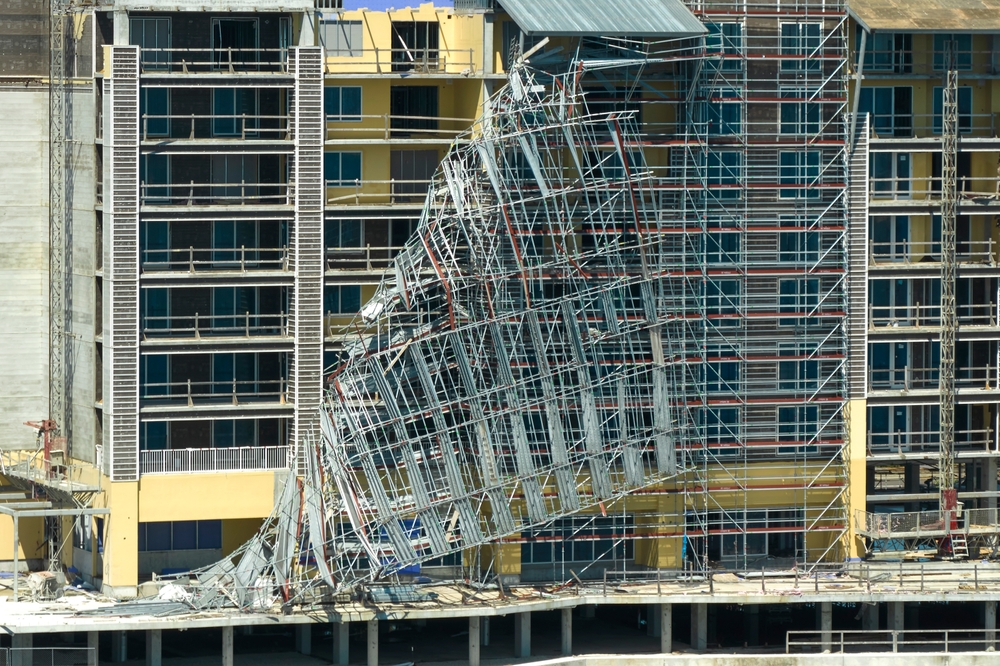
Two New York Labor Law sections do much of the work in construction accident cases: Section 240(1), often called the Scaffold Law, and Section 241(6). Both can create claims against covered property owners, general contractors, and statutory agents beyond workers' compensation.
Both may apply to the same accident. Neither replaces the other.
In our experience handling construction accident cases across New York City, workers rarely know which statute applies. Preserving photographs, equipment, witness information, contracts, and inspection records comes first.
Schedule a Free Case Evaluation
The Bottom Line
- Section 240 covers qualifying elevation-related accidents: It applies to certain falls and falling-object events when proper safety devices were absent or inadequate.
- Section 241(6) covers specific Industrial Code violations: It applies to covered construction, excavation, or demolition work when an applicable safety regulation was violated.
- The standards differ: Section 240 may impose absolute liability. Section 241(6) imposes a nondelegable duty, but comparative fault remains available.
- Both may apply: A scaffold fall involving missing guardrails may support both claims.
- Section 200 may also apply: It codifies the common-law duty to provide a reasonably safe workplace.
These points explain the difference between Labor Law 240 and 241(6). The facts determine which claims can proceed.
What Is Labor Law 240?
Labor Law 240(1), commonly called the Scaffold Law, protects workers from certain elevation-related hazards. It requires covered owners, contractors, and agents to provide proper safety devices during erection, demolition, repairing, altering, painting, cleaning, or pointing work.
Qualifying one- and two-family homeowners who do not direct or control the work are generally excluded.
What Does Section 240 Actually Cover?
Section 240 covers workers performing a named activity who face a qualifying gravity-related risk. It does not apply to every construction injury.
Common categories include:
- Falls from height: Falls from ladders, scaffolds, roofs, lifts, or floor openings when adequate protection was not provided
- Falling objects: Objects being hoisted or secured, or objects that required securing for the work
- Failed elevation devices: Defective or improperly placed ladders, scaffolds, hoists, slings, ropes, or similar equipment
- Inadequate fall protection: Missing or insufficient guardrails, harnesses, lifelines, nets, or work platforms
The worker must connect the injury to a qualifying elevation risk and an absent or inadequate safety device. Routine maintenance does not automatically qualify. Courts examine the actual task, not the worker's title or use of a ladder.
What Standard of Liability Applies Under Section 240?
Section 240 may impose absolute liability when a covered defendant violates the statute and causes injury. The worker generally need not prove supervision or notice.
Absolute liability does not mean every fall creates a claim. The worker must prove covered work, a qualifying elevation risk, a violation, and causation. Comparative fault generally is not a defense. The sole-proximate-cause defense may apply when an adequate device was available, the worker knew to use it, unreasonably refused, and that choice alone caused the accident.
What Is Labor Law 241(6)?
Labor Law 241(6) applies to covered construction, excavation, and demolition work. It requires owners, contractors, and agents to follow specific Industrial Code regulations. Qualifying one- and two-family homeowners who do not direct or control the work are generally excluded.
What Does Section 241(6) Actually Cover?
Section 241(6) reaches many non-elevation accidents. A claim must rely on a specific, concrete, and applicable Industrial Code provision.
Common applications include:
- Trench collapses: Violations involving shoring, sloping, access, or protective systems
- Machinery accidents: Missing guards or unsafe power-operated equipment
- Slip and fall injuries: Violations involving debris, passageways, surfaces, or openings
- Struck-by accidents: Unsafe material storage, hoisting, or overhead hazards
- Electrical and chemical injuries: Violations involving electrical safeguards or hazardous substances
- Demolition injuries: Violations involving inspections, weakened structures, or falling materials
Industrial Code Part 23 contains the primary regulations for construction, demolition, and excavation operations.
What Standard of Liability Applies Under Section 241(6)?
Section 241(6) imposes a nondelegable duty on covered owners, contractors, and statutory agents. Direct supervision is not required.
The worker must prove:
- A sufficiently specific Industrial Code provision applied
- The work, defendant, and accident fell within its scope
- The regulation was violated
- The violation proximately caused the injury
The regulation must contain a concrete safety command. Comparative fault may reduce damages under Section 241(6), but it does not automatically bar the claim.
How Do the Two Sections Differ?
The Labor Law 240 vs. 241 difference affects coverage, proof, and defenses.
| Element | Labor Law 240(1) | Labor Law 241(6) |
|---|---|---|
| Scope | Qualifying elevation risks during activities named in the statute | Covered construction, excavation, or demolition tied to Industrial Code violations |
| Standard | Absolute liability when a violation causes injury | Nondelegable duty, with comparative fault available |
| Proof Required | Covered work, elevation risk, inadequate device, and causation | Specific applicable regulation, covered defendant, violation, and causation |
| Comparative Fault | Generally not a defense, although sole proximate cause may defeat the claim | May reduce recovery |
| Covered Defendants | Owners, contractors, and statutory agents, subject to exceptions | Owners, contractors, and statutory agents, subject to exceptions |
| Common Examples | Ladder falls, scaffold collapses, openings, qualifying falling objects | Trenches, machinery, debris, passageways, and demolition hazards |
Gravity vs. Non-Gravity Construction Accidents
The gravity-versus-non-gravity distinction is useful but not conclusive. Section 240 focuses on elevation risks. Section 241(6) may cover gravity and non-gravity accidents.
A gravity vs. non-gravity construction accident NY analysis often follows these patterns:
- Gravity-related accidents: Section 240 may provide the stronger claim when inadequate safety equipment causes a qualifying fall or falling-object accident.
- Non-gravity accidents: Section 241(6) may be the main claim for machinery, debris, excavation, demolition, or another regulated hazard.
- Mixed cases: Both sections may apply when an elevation event also violates a specific Industrial Code rule.
The Specificity Requirement in Section 241(6)
Section 241(6) requires more than claiming a worksite was unsafe. The worker must identify an applicable regulation with a concrete safety command.
A rule requiring a defined guardrail, protective covering, machine guard, or securing method may support a claim. A broad rule calling only for reasonable safety may not.
Can Both Sections Apply to the Same Accident?
Yes. An accident may involve both an elevation risk and a specific Industrial Code violation. A worker may pursue both claims.
Common Examples of Overlapping Application
- A worker falls from a scaffold with missing guardrails: Section 240 may apply because inadequate protection caused an elevation-related fall. Section 241(6) may apply if a specific scaffold or guardrail rule was violated.
- A worker is struck by a falling load during hoisting: Section 240 may apply if the load required securing and an inadequate device allowed it to fall. Section 241(6) may apply if a hoisting or overhead-hazard rule was violated.
- A worker falls through an unguarded floor opening: Section 240 may apply because of the elevation difference. Section 241(6) may apply under Industrial Code Rule 23-1.7(b)(1) or another applicable provision.
What About Labor Law 200?
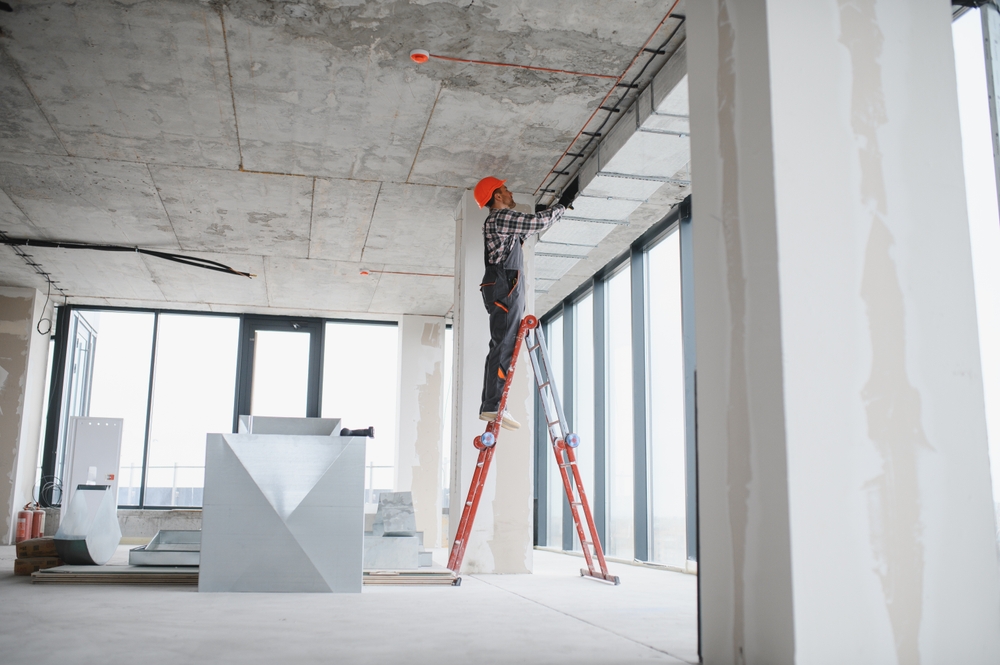
Labor Law 200 codifies the common-law duty to provide a reasonably safe workplace. It may supplement Sections 240 and 241(6), but it requires proof of negligence.
When Does Section 200 Apply?
Section 200 claims generally fall into two categories.
When an accident arises from the means and methods of the work, the worker generally must show that the defendant had authority to supervise or control the injury-producing activity.
When an accident arises from a dangerous premises condition, liability generally depends on whether the defendant controlled the site and created the condition or had actual or constructive notice of it.
How Does Section 200 Differ From 240 and 241(6)?
Section 200 does not impose the same nondelegable duty. The plaintiff must connect the defendant to the unsafe method or property condition.
A defendant may avoid liability by showing a lack of control over the work or, in a premises case, a lack of creation or notice. Section 200 is therefore often a supplementary theory.
Which Labor Law Covers My Construction Injury?
Which Labor Law covers my construction injury depends on the task, accident, safety devices, parties, and regulations. These categories describe common patterns, not automatic results.
Ladder Falls, Scaffold Collapses, and Roof Falls
These accidents may fall under Section 240 when a worker performing covered work falls because a ladder, scaffold, guardrail, harness, lifeline, or other device was inadequate. Section 241(6) may also apply if a specific rule was violated.
Falling-Object Injuries
Section 240 may apply when an object being hoisted or secured, or one that required securing, fell because an appropriate device was missing or inadequate. It does not apply merely because an object fell. Section 241(6) may apply through rules governing overhead hazards, storage, hoisting, or demolition.
Trench Collapses
Section 241(6) is often the primary claim because Industrial Code provisions address excavation, shoring, access, and protective systems. Section 240 may apply in narrower cases involving a separate elevation risk.
Machinery and Equipment Injuries
Section 241(6) may apply when a specific rule governs machine guarding, power-operated equipment, controls, or safe operation. Section 240 usually does not apply unless the accident also involved a qualifying elevation risk.
Slip, Trip, and Fall Injuries on Debris or Walking Surfaces
Section 241(6) may apply when a specific rule governs debris, passageways, work areas, tripping hazards, or slippery conditions. Section 240 generally does not apply to an ordinary same-level slip or trip.
Electrical Accidents
Section 241(6) may apply when a specific electrical safety rule covers the accident. Section 240 may apply when the electrical event also causes a qualifying elevation accident, such as a fall from an inadequately protected surface.
Frequently Asked Questions About Labor Law 240 vs. 241(6)
What Is the Biggest Difference Between Labor Law 240 and 241(6)?
The biggest difference is the type of hazard covered and the liability standard. Section 240 addresses qualifying elevation risks and generally does not allow comparative fault. Section 241(6) depends on a specific Industrial Code violation, and comparative fault may reduce recovery.
Can I Recover Under Section 241(6) if I Was Partly at Fault?
Yes. A worker may recover if a qualifying violation caused the injury. New York's comparative-fault rule can reduce damages according to the worker's share of responsibility, but partial fault does not automatically eliminate the claim.
What if My Accident Does Not Involve Elevation?
Section 240 usually will not apply without an elevation-related hazard. Section 241(6) may still apply if a specific regulation was violated during covered work. Section 200 may also apply based on control, creation of a dangerous condition, or notice.
How Long Do I Have to File a Claim Under Either Section?
Most New York personal injury actions must be filed within three years, but shorter deadlines may apply when a public entity is involved. A notice of claim may be required within 90 days, and many public-authority cases have a one-year-and-90-day filing period. Port Authority claims follow different requirements. The responsible parties should be identified immediately.
Who Decides Which Section Applies to My Case?
The attorney handling the case identifies the statutes and Industrial Code provisions supported by the facts. Complaints often plead multiple theories. Discovery, expert analysis, and court rulings may later narrow the claims.
Two Laws, One Goal: Full Recovery for Injured Construction Workers
Sections 240 and 241(6) may provide claims against covered owners, contractors, and agents. These claims may allow damages beyond workers' compensation, including pain and suffering.
Which statute applies depends on the work, hazard, safety devices, regulations, defendants, and causation. Early investigation matters because equipment can disappear and site conditions can change.
If you or someone you know was injured on a New York construction site, the attorneys at Washor Kool Sosa Maiorana & Schwartz, LLP can review the facts and explain which Labor Law provisions may apply.
Call (212) 406-1700 for a free case evaluation.