A fall in a NYC store, on a stairway, or on a sidewalk rarely feels like the start of a legal claim. The pain and medical bills come first; questions about responsibility come later. When you need premises liability lawyers in NYC, our attorneys at Washor Kool Sosa Maiorana & Schwartz, LLP can help.
Premises liability cases in NYC turn on facts and law that often surprise injured people. The sidewalk where you fell may be the property owner's responsibility, not the city's. The notice the law requires may exist in records you never saw. The deadlines may be much shorter than three years.
Schedule a Free Case Evaluation
Get a Free Review of Your NYC Premises Liability Case
Premises liability cases vary widely in value. Some cases that look weak turn out to have strong notice records once the evidence is gathered. The first conversation with our premises liability attorneys is free. We will tell you what we think the case is worth and the deadlines.
Call (212) 406-1700 for a free case review.
What Is Premises Liability in NYC?
Premises liability is the legal claim against a property owner, manager, or tenant for injuries caused by hazardous conditions on the property. NYC premises liability cases include slip and fall accidents, trip and fall injuries, stairway falls, negligent security claims, and falls caused by sidewalk defects.
What property owners owe to people on their property
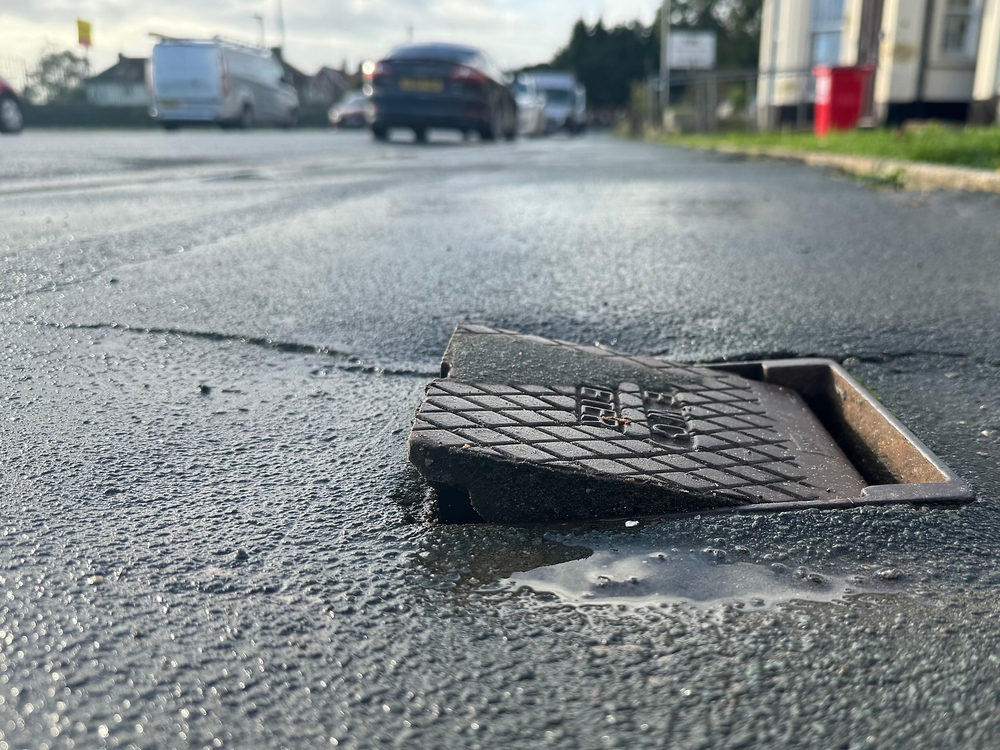
Property owners and managers must keep the property reasonably safe for people who are lawfully on it. The duty includes inspection, repair of known hazards, warning of dangers that cannot be immediately fixed, and reasonable security in foreseeable circumstances.
How NYC's sidewalk law affects premises liability cases
NYC Administrative Code Section 7-210, enacted in 2003, shifted responsibility for most public sidewalks from the city to the abutting property owner. If you fall on a sidewalk in front of a commercial building or larger residential building, the property owner is typically responsible, not the city.
When does premises liability apply to public property?
Premises liability claims against NYC, the MTA, NYCHA, or other government entities follow different rules. They require a Notice of Claim filed within 90 days, a hearing under General Municipal Law § 50-h, and shorter lawsuit deadlines. Missing these steps can end the case.
What Types of Premises Liability Cases Do We Handle in NYC?
Our NYC premises liability cases cover six main categories: slip and fall accidents, trip and fall accidents, stairway falls, negligent security claims, dog bites, and falls from elevators, escalators, and other building systems.
| Case Type | Description |
|---|---|
| Slip-and-Fall | Wet floors, ice, snow, or leaking refrigeration without warning signs. |
| Trip-and-Fall | Broken sidewalks, uneven floors, or exposed cables. |
| Stairway Falls | Broken handrails, worn treads, or inadequate lighting. |
| Negligent Security | Assaults or robberies due to inadequate property security. |
| Dog Bites | Injuries caused by animals with known vicious propensities. |
| Building Systems | Malfunctions involving elevators, escalators, or lifts. |
How Do You Prove a NYC Premises Liability Case?
Proving a NYC premises liability case requires evidence of four elements: a dangerous condition on the property, notice of the condition to the property owner, the owner's failure to address it, and an injury caused by the condition.
How do you prove a dangerous condition existed?
Photos taken at the scene, surveillance footage, inspection records, maintenance logs, and witness statements all help establish that a hazardous condition existed. Day-of-accident evidence is often the strongest because conditions get repaired or change after the incident.
Actual versus constructive notice
Actual notice means the property owner knew about the hazard. Constructive notice means the hazard existed long enough that a reasonable owner should have known. NYC cases often turn on constructive notice: surveillance footage, complaint logs, and witness observations help establish how long the condition was present.
How do you prove the property owner failed to act?
Maintenance schedules, inspection logs, and the property owner's own policies often show what should have been done. Comparing what the policies required to what actually happened establishes whether the owner met the duty of care.
Proving the injury was caused by the condition
Medical records, emergency room intake notes, treating physician observations, and accident reports establish the link between the dangerous condition and the injuries. Gaps between the accident and treatment can weaken this connection.
Who Is Liable in a NYC Premises Liability Case?
Liability in a NYC premises liability case may fall on the property owner, the tenant in control of the space, the property management company, a maintenance contractor, or a government entity. Many cases involve multiple liable parties under different theories.
Property owners and landlords
Owners of residential and commercial buildings are responsible for keeping the premises reasonably safe. In NYC, owners of buildings with abutting sidewalks are also responsible for sidewalk conditions under Section 7-210 of the NYC Administrative Code.
When are commercial tenants liable for a fall?
Businesses that lease commercial space share responsibility for hazards in the space they control. The lease often allocates responsibility between landlord and tenant, but injured people can typically pursue both parties together until liability is sorted out.
Property management companies
Management companies hired to maintain a property can share responsibility when their inspection and repair failures contribute to the hazard. Their contracts and inspection logs become important case evidence.

NYC, the MTA, NYCHA, and other government entities
Claims against government entities follow different rules. NYCHA, the MTA, the City of New York, and the Port Authority all require a Notice of Claim within 90 days. According to the New York State Unified Court System, these procedural deadlines are strictly enforced.
What Compensation Can You Recover in a NYC Premises Liability Case?
A successful NYC premises liability case can recover money for medical bills, lost wages, pain and suffering, lost earning capacity, and other long-term losses. The total depends on the severity of the injury and the available insurance coverage.
Past and future medical expenses
Recovery covers emergency room care, surgery, hospitalization, physical therapy, rehabilitation, medication, and projected future medical costs. Serious premises liability injuries from falls on stairs or assaults during negligent security incidents can produce six- and seven-figure medical damages.
Lost wages and lost earning capacity
Lost income covers paychecks missed during recovery and reduced future earnings when injuries from a serious fall limit the kind of work the injured person can do. Construction workers, healthcare workers, and other physical laborers often see the largest lost earnings claims.
How are pain and suffering damages calculated?
New York juries award pain and suffering damages separately for past pain, current limitations on daily life, and projected future suffering. These damages can substantially exceed medical bills when an injury is serious or permanent.
Wrongful death damages
When a premises liability accident kills a family member, surviving relatives can recover funeral costs, lost financial support, and loss of guidance under New York's wrongful death statute.
Call (212) 406-1700 to get the preservation letter sent.
Why Choose Our NYC Premises Liability Lawyers at Washor Kool Sosa Maiorana & Schwartz, LLP
Our NYC premises liability lawyers handle these cases through three commitments: investigation that begins the day you call, evidence preservation before scenes are repaired, and trial-ready preparation in NYC Supreme Court when settlements fall short.
In our experience, premises liability cases turn on notice. The question is rarely whether a defect existed but whether the owner should have known about it in time to fix it.
Detailed conversations with clients, sometimes in a client's native language, surface observations about how long a condition was present that clients did not realize mattered. Those observations build the constructive notice case.
Bilingual case investigation
Many NYC premises liability cases involve clients whose first language is not English. When a New York premises liability attorney can speak with clients directly in their native language, the client surfaces facts they would not have thought to mention through an interpreter.
Investigation that starts the day you call
Premises liability attorneys at our firm send investigators to accident scenes the day clients call. Wet floors get dried, broken stairs get repaired, ice gets shoveled, and surveillance footage gets overwritten on automatic schedules. Speed matters.
Track record across premises liability cases
Our attorneys have recovered over $1 billion for injured clients and their families. As a premises liability law firm NYC clients can rely on, we handle slip and fall, trip and fall, stairway, negligent security, and dog bite claims across all five boroughs.
Direct attorney attention
Major decisions, deposition preparation, and settlement negotiations stay with the lawyers who will try the case. You work with the attorneys handling your case, not paralegals or call-center staff.
Frequently Asked Questions About NYC Premises Liability Claims
How long do I have to file a NYC premises liability lawsuit?
Most NY premises liability cases must be filed within three years of the injury. Claims against NYC, the MTA, NYCHA, or other government entities require a Notice of Claim within 90 days and a lawsuit within one year and 90 days.
Can I sue if I was partially at fault for the fall?
Yes. NY follows pure comparative fault, which means your recovery is reduced by your share of fault but never eliminated. Even if you were 80 percent responsible, you can still recover 20 percent of damages.
Who is liable if I fell on a NYC sidewalk?
For most sidewalks in NYC, the adjacent property owner is responsible for keeping the sidewalk safe under Section 7-210 of the NYC Administrative Code. The city remains responsible for some one-, two-, and three-family owner-occupied residential properties.
What if my fall happened at my workplace?
If you fell at work, you typically have a workers' compensation claim against your employer regardless of fault. If the property owner is different from your employer, you may also have a third-party premises liability claim. The New York State Workers' Compensation Board handles the comp claim.
Can I sue for an assault that happened on someone else's property?
Yes. Property owners can be liable for assaults and other crimes on their property when they failed to provide reasonable security and the crime was foreseeable based on prior incidents in the area. These cases are called negligent security claims.

Start Your NYC Premises Liability Case Today
The case review is free. We pay all case costs upfront. You owe nothing unless we recover money for you. Evidence of premises liability disappears quickly, so early investigation matters most in these cases.
Call (212) 406-1700 to get started.
Schedule a Free Case Evaluation