You do not see a falling object before it hits you. You hear it, or you don't, and then you wake up in the hospital trying to piece together what happened.
If you need a New York City falling object injury lawyer, the construction injury attorneys at Washor Kool Sosa Maiorana & Schwartz, LLP handle these cases across all five boroughs and the surrounding counties.
Falling object cases are governed by both New York's Scaffold Law and Section 241(6) of the Labor Law. They often injure workers and pedestrians alike, and recoveries routinely exceed what workers' compensation or basic negligence claims would provide.
Schedule a Free Case Evaluation
We Investigate Falling Object Cases on the Same Day You Call
Construction sites change fast. Materials get cleaned up, witnesses move on to other jobs, and surveillance footage gets overwritten on a rolling basis. When you call us about a falling object injury, our investigators start that day. The faster we get on the case, the stronger it gets.
Call (212) 406-1700 to get started.
Where Do Falling Objects Come From on NYC Job Sites?
Falling objects on NYC construction sites come from a small number of recurring sources. Identifying where the object came from is often the first step toward identifying who is responsible for the injury.
Tools dropped from upper floors
Hand tools, power tools, and equipment dropped by workers above are among the most common causes of falling object injuries. A wrench falling ten stories carries enough force to fracture a skull through a hard hat.
Debris from scaffolds and platforms
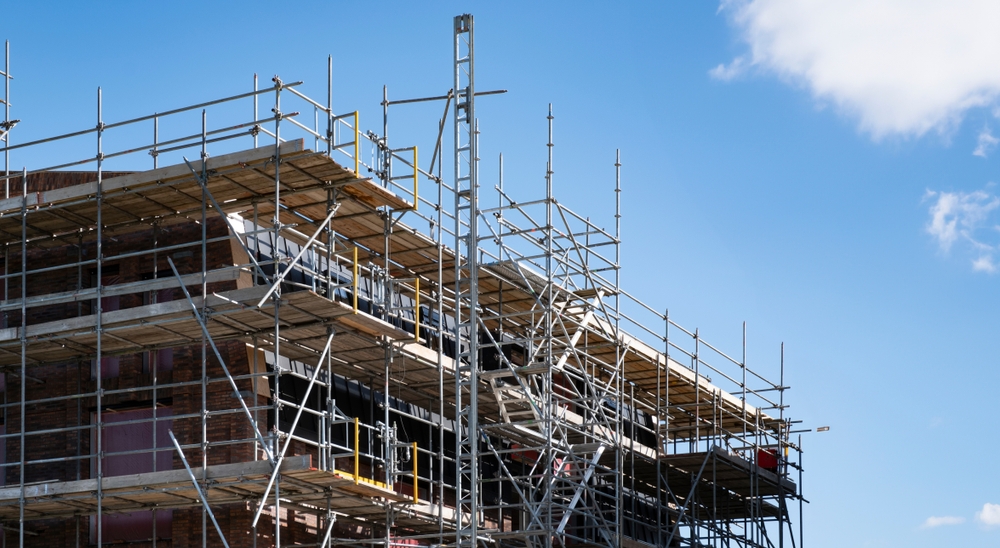
Loose bricks, lumber, fasteners, and other debris swept off scaffold platforms can fall on workers below or pedestrians on the sidewalk. NYC code requires toe boards, debris netting, and overhead protection to contain this debris.
Materials falling through floor openings
Construction floors often have open shafts for elevators, stairs, and utility chases. Workers on lower floors can be hit by objects falling through unmarked or unguarded openings above them.
Crane loads and rigging failures
Cranes lift heavy materials over active job sites. When rigging fails, when a load slips, or when the crane operator misjudges a swing, the falling object can crush workers and equipment below.
Building materials falling from facades
Bricks, glass panels, ornamental stonework, and even pieces of the building itself can fall during demolition, repair, or renovation. These pieces often weigh hundreds of pounds and reach high speeds before impact.
What Should Have Prevented Your Falling Object Injury?
Falling object injuries almost always trace back to a specific safety failure: a hard hat that should have been provided, a toe board that was missing, debris netting that was never installed, or overhead protection that the contractor skipped to save time.
When are hard hats required on NYC construction sites?
The U.S. Occupational Safety and Health Administration requires hard hats wherever there is danger of head injury from falling objects, fixed objects, or electrical shock. On NYC construction sites, that covers nearly every active area. Failure to enforce hard hat use is one of the most common safety citations.
Toe boards and screens on scaffolds
OSHA requires toe boards (vertical barriers at floor level) and screens or guardrail systems on scaffolds above 10 feet. These devices stop tools and materials from sliding off the platform onto workers below.
Debris netting on building exteriors
Netting installed on the outside of scaffolds and around active facade work catches debris before it reaches the street. NYC sidewalk shed requirements pair with netting standards to protect both workers and pedestrians.
Overhead protection at building entrances and walkways
Sidewalk sheds, canopies, and overhead protection structures shield pedestrians, workers, and building occupants from falling objects. Skipping or shortcutting these requirements is a violation that drives many falling object injury claims.
Who Can Sue After a NYC Falling Object Accident?

Falling object cases are unusual because the victim is not always a construction worker. Pedestrians on the sidewalk, delivery drivers, building tenants, and workers from other crews can all have claims. The legal framework depends on who was hurt and where they were standing when the object fell.
Construction workers and Labor Law claims
Workers hurt by falling objects on a covered construction site can bring claims under New York's Scaffold Law (Labor Law § 240) and Section 241(6), in addition to any third-party claim against the party that dropped the object. These claims pay far more than workers' compensation alone.
Can pedestrians sue for falling object injuries?
Yes. Pedestrians struck by debris falling from a NYC construction site can sue the property owner, the general contractor, and any subcontractor whose work caused the object to fall. These claims fall under ordinary negligence law and the NYC building code, which imposes specific duties on construction operators.
Workers from other crews and contractors
A worker employed by one subcontractor who is hit by an object dropped by another subcontractor's crew can pursue a third-party claim against the responsible parties, even if both workers are technically employed on the same project.
What Injuries Result from Falling Objects?
Falling object injuries are different from most construction injuries because the impact is concentrated, the object is often dense, and the worker rarely has time to brace or react. The injuries below are the ones our attorneys see most often in these cases.
Why are traumatic brain injuries so common in falling object cases?
The impact of a dense object from height delivers a concentrated force to the head, often through or around a hard hat. Even minor impacts can cause concussions. Heavier objects from greater heights cause closed head injuries, skull fractures, and lasting cognitive damage.
Skull fractures and craniofacial injuries
Direct impacts from heavy objects produce skull fractures, jaw fractures, and damage to the eyes and sinus structures. These injuries often require multiple surgeries and reconstructive work.
Crush injuries to limbs and torso
Larger falling objects, such as building materials and crane loads, cause crush injuries to arms, legs, and the chest. Internal organ damage frequently accompanies these crush injuries.
Spinal cord and neck injuries
The impact of a heavy object can compress the neck and spine, herniate discs, and in severe cases cause partial or complete paralysis. Spinal cord cases drive the highest recoveries in falling object claims.
Wrongful death
Falling objects from significant heights, or heavy objects from any height, can be immediately fatal. Surviving family members can recover funeral costs, lost financial support, and other damages under New York's wrongful death statute.
If you have been injured recently, review what steps you should take immediately following an injury.
Who Is Liable for a NYC Falling Object Injury?
Liability in a falling object case usually involves several parties: the contractor who controlled the site, the property owner, the company whose worker dropped or knocked the object loose, and sometimes the manufacturer of defective equipment that failed.
General contractors and site safety
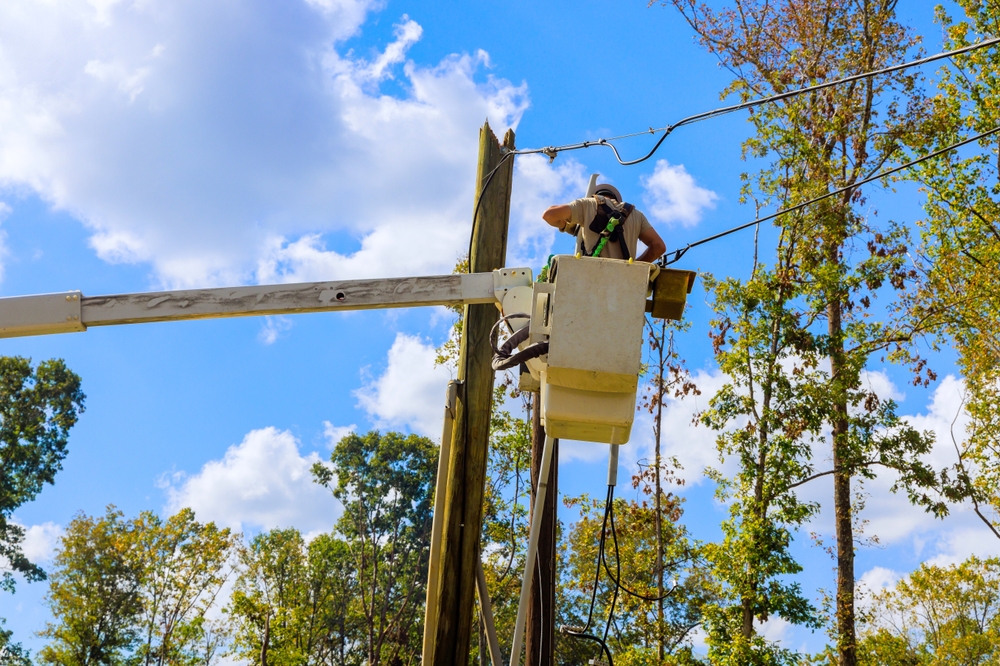
GCs run overall job site safety, which includes enforcing hard hat use, requiring toe boards and netting on scaffolds, and stopping work when overhead conditions are unsafe. Most falling object claims start with a Labor Law § 241(6) action against the GC.
Property owners
Owners are strictly liable for falling object injuries to workers under the Scaffold Law (Labor Law § 240) and bear independent duties to pedestrians under negligence law and the NYC building code.
Can you sue the worker or crew who dropped the object?
The individual worker is rarely sued directly. Their employer, the subcontractor that hired them, is the real defendant. That subcontractor's insurance covers most falling object claims from its crew's actions, and our attorneys pull all responsible subcontractors into the case.
Equipment manufacturers and rental companies
When a tool, harness, or load attachment fails because of a manufacturing defect or maintenance failure, the manufacturer or rental supplier joins the case as a product liability defendant.
Need a struck by a falling object lawyer in NYC? Call (212) 406-1700 to get started.
Which sources of falling objects belong to which liable parties?
| Source of Falling Object | Most Likely Responsible Party |
|---|---|
| Hand tool dropped by a worker above | Subcontractor employing the worker; general contractor |
| Debris falling from a scaffold | Scaffold erection company; subcontractor using the scaffold |
| Materials falling through a floor opening | General contractor; subcontractor that left the opening unguarded |
| Crane load that slipped or fell | Rigging contractor; crane operator's employer; equipment company |
| Brick or material falling from a building facade | Demolition or repair contractor; property owner |
How Do You Prove a Falling Object Injury Case?
Falling object cases live or die on evidence collected in the first weeks after the injury. The four categories below tend to determine the outcome.
Photos and physical evidence from the scene
Photographs of the object that fell, the location it fell from, and the surrounding area provide the foundation for the case. Site photos taken the day of the injury are often the single most important piece of evidence.
Why does your damaged hard hat matter for the case?
If you were wearing a hard hat that cracked, dented, or was destroyed by the impact, that hard hat is critical evidence. Save it. Do not throw it away, do not let your employer take it back, and do not let anyone clean it up.
OSHA and DOB inspection records
Federal OSHA inspection records and NYC Department of Buildings records often show prior citations against the contractors and subcontractors involved. Our attorneys obtain these records early to identify patterns of safety violations.
Witness statements and incident reports
Coworker statements, foreman observations, and the contractor's own incident reports often contain admissions that are valuable later. Collecting these before workers leave the project or change employers is part of the early case work.
Don't Sign Anything From the Insurance Company
Insurance adjusters often present releases, medical authorizations, or quick settlement checks within days of a falling object injury. Signing any of them can permanently reduce your recovery. Talk to an attorney first.
Call (212) 406-1700 before signing anything.
Why Choose Washor Kool Sosa Maiorana & Schwartz for Your Falling Object Case
Falling object cases combine catastrophic injury patterns (especially brain and spinal) with complex liability questions involving multiple contractors and insurers. Our attorneys handle both sides of that equation in every case.
Track record with traumatic brain injury and skull fracture cases
Our attorneys have recovered over $1 billion for injured clients and their families, including significant recoveries on head injury cases caused by falling objects. We know how these injuries develop, how they look on imaging, and how to present them to a jury.
We pursue both worker and pedestrian falling object claims
Falling objects from NYC construction sites injure pedestrians on the sidewalk as often as they injure workers above. Our attorneys handle both types of cases, and we coordinate them when workers and bystanders were hurt in the same incident.
Investigators document the scene before evidence disappears
Construction sites change overnight. Materials get swept up, scaffolds get adjusted, and footage gets overwritten on a 30-day rolling basis. Our investigators move within hours of the call to photograph the scene and identify witnesses while they are still nearby.
We handle workers' comp and the third-party lawsuit in parallel
Workers' compensation covers some medical bills and a fraction of lost wages. It rarely covers what a falling object injury actually costs. Our attorneys run the comp claim and the third-party lawsuit together so neither falls through the cracks.
Frequently Asked Questions About NYC Falling Object Injuries
Can a pedestrian sue if struck by a falling object from a NYC construction site?
Yes. Pedestrians struck by falling debris from construction sites can sue the property owner, the general contractor, and any subcontractor whose work caused the object to fall. These claims rest on ordinary negligence law and on specific duties imposed by the NYC building code on active construction sites.
What if I was wearing a hard hat and still got hurt?
Wearing a hard hat does not reduce your right to recover. Hard hats are required, but they do not prevent every injury. A cracked or shattered hard hat is some of the strongest evidence of how serious the impact was, and our attorneys treat it as critical evidence.
Can I file a claim if I don't know who dropped the object?
Yes. Construction injury cases often start without a known individual defendant. Our investigation identifies the responsible parties through site photos, witness accounts, and contractor records. The Scaffold Law and Section 241(6) place responsibility on contractors and owners regardless of which individual worker dropped the object.
How long do I have to file a falling object injury lawsuit in New York?
Most New York personal injury cases must be filed within three years of the injury. Claims involving city or state agencies, including the New York State Department of Labor and the NYC Housing Authority, have much shorter deadlines (sometimes 90 days). Call an attorney early to protect your rights.
Take the First Step on Your Falling Object Case
The case review is free. The conversation is confidential. You pay nothing unless we recover money for you. Every day that passes makes the case harder to build, so the best time to call is now.Call (212) 406-1700 to take the first step.
Schedule a Free Case Evaluation
Washor Kool Sosa Maiorana & Schwartz, LLP
The Woolworth Building
233 Broadway, 18th Floor
New York, NY 10279