A New York Bus Accident Lawyer Who Knows What Your Case Is Up Against and How to Win It
A bus accident in New York City is not like most other crashes. The vehicles are massive, the forces involved are severe, and the injuries that result are often catastrophic.
Passengers have no seatbelts, no airbags, and no protection between themselves and the impact. Pedestrians and cyclists struck by a bus rarely walk away without serious harm. And when the dust settles, the legal landscape that follows is more complicated than most injured people realize.
Hiring a New York bus accident lawyer is not just about having someone file paperwork. It is about having representation that understands the strict deadlines that apply to bus accident claims, the government immunity rules that govern MTA and city-operated bus lines, and the tactics that insurers and municipal agencies use to deny or minimize what they pay out.
Miss a deadline by a single day and you may lose the right to recover anything at all.
At Washor Kool Sosa Maiorana & Schwartz, LLP, we handle serious injury cases against powerful defendants, including the MTA, private bus companies, and their insurers. We are a selective, low-volume firm that gives every case the attention it takes to build it correctly.
We are available 24 hours a day, 7 days a week, by phone, video, or in person, and we will come to you if you are unable to travel. Contact us today for a free consultation.
Why New York Bus Accident Victims Choose Washor Kool Sosa Maiorana & Schwartz, LLP
Suing the MTA or a private bus carrier in New York is not the same as pursuing a standard car accident claim. These defendants have institutional resources, experienced defense teams, and procedural protections that do not apply in ordinary personal injury litigation.
Injured people who approach these cases without qualified legal representation routinely find their claims dismissed on procedural grounds before the merits are ever considered.
Washor Kool Sosa Maiorana & Schwartz, LLP brings hundreds of years of combined legal experience to the cases we accept. Several of our attorneys hold Super Lawyers designations and AV Preeminent ratings, reflecting the recognition of peers and judges across the New York legal community.
We are the firm other lawyers refer complex, high-value injury cases to.
When you work with Washor Kool Sosa Maiorana & Schwartz, LLP, you receive:
- Command of the procedural rules: We know the Notice of Claim requirements, the filing timelines, and the immunity defenses that apply specifically to bus accident litigation in New York, and we build every case around them from day one.
- Access to retained investigators and experts: Accident reconstruction professionals, medical experts, and economic loss analysts contribute to the factual and financial foundation of your case.
- Honest communication throughout: We do not create false expectations. We tell you what the case realistically involves, what the process looks like, and where your claim stands at every stage.
- Multilingual service: We assist clients in English, Spanish, and Mandarin.
We are not a high-volume operation. We take the cases we believe in and work them the way they need to be worked.
What Makes Bus Accident Claims in New York Uniquely Difficult
The legal framework surrounding bus accidents in New York creates obstacles that do not exist in most other personal injury matters. Knowing those obstacles in advance is the only way to avoid them.
- Notice of Claim requirements for public transit: If your accident involved an MTA bus, a New York City Transit bus, or any other government-operated vehicle, you are required to file a Notice of Claim within 90 days of the incident under New York General Municipal Law Section 50-e. This deadline applies before any lawsuit is filed. Missing it in most circumstances permanently bars the claim.
- Short windows for investigation: Physical evidence disappears quickly. Bus surveillance footage is routinely overwritten within days. Witness accounts become harder to gather as time passes. The actions taken in the first weeks after an accident directly affect what evidence is available later.
- Government immunity defenses: Municipal defendants raise special legal defenses not available to private parties. Understanding how New York courts have applied and limited those defenses is central to building a case that survives a motion to dismiss.
- Multiple potentially liable parties: A single bus accident may involve the bus operator, the transit authority, a private carrier, a maintenance contractor, another driver, or a municipality responsible for road conditions. Identifying and naming the correct defendants requires careful legal analysis.
- Disputed injury causation: Bus accident defendants and their insurers frequently argue that pre-existing conditions, not the crash itself, caused the claimed injuries. Medical documentation, treatment history, and expert testimony are essential to countering these arguments effectively.
These challenges are manageable with proper preparation. They are not reasons to avoid pursuing a legitimate claim.
Who May Have a Valid Bus Accident Claim in New York
New York bus accident claims are available to a range of injured parties, not just passengers aboard the vehicle at the time of the crash. Liability extends wherever the negligence of a bus operator, transit authority, or related party caused measurable harm.
- You were a passenger on an MTA, city transit, or private bus and were injured during a collision, sudden stop, or fall caused by the driver's conduct
- You were a pedestrian struck by a bus that failed to yield, ran a red light, or turned without checking for foot traffic
- You were a cyclist or motorcyclist hit by a bus that failed to maintain its lane or check mirrors before moving
- You were a driver or passenger in another vehicle struck by a negligently operated bus
- A family member was killed in a bus accident caused by driver or operator negligence
- You were injured as a result of a poorly maintained bus, including defective doors, broken seats, or mechanical failures
We focus on cases involving serious physical harm. If your injuries have disrupted your ability to work, limited your daily functioning, or caused lasting medical consequences, your case may be the type we take on.
Types of Bus Accident Cases We Handle in New York
New York's transit landscape is unlike any other city in the country. Millions of people ride MTA buses, city buses, school buses, private charter lines, and intercity carriers every day.
When something goes wrong, the legal claims that follow depend heavily on who operated the vehicle and under what regulatory framework.
- MTA and New York City Transit bus accidents: Collisions, pedestrian strikes, and passenger injuries involving the city's public bus network, subject to strict municipal claims procedures
- Private bus and charter company accidents: Crashes involving private carriers operating under state or federal licensing, where negligent hiring, training, or vehicle maintenance may contribute to liability
- School bus accidents: Injuries to children or other motorists caused by school district-operated or contracted vehicles
- Intercity and long-haul bus accidents: Crashes involving carriers operating across state lines, which may implicate federal regulations enforced by the Federal Motor Carrier Safety Administration, available at fmcsa.dot.gov
- Pedestrian and cyclist strikes: Serious injuries to people outside the bus caused by the operator's failure to exercise proper care at intersections, bus stops, and crosswalks
- Slip and fall injuries on buses: Falls caused by wet floors, broken steps, malfunctioning doors, or abrupt stops that a reasonable operator would have anticipated
Each category carries its own set of legal standards, regulatory requirements, and potential defendants. The approach to one is not transferable to another.
What Compensation May Be Available After a New York Bus Accident
New York law allows injured people to seek full recovery for the harm caused by a bus accident. The scope of available compensation depends on the severity of the injuries, the clarity of liability, and the parties involved.
Cases involving government defendants may be subject to certain limitations that do not apply to private-party claims, making the legal strategy surrounding these cases particularly important.
- Medical expenses: Emergency care, hospitalization, surgery, rehabilitation, physical therapy, and the projected cost of future treatment for ongoing conditions
- Lost income and reduced earning capacity: Wages lost during recovery and long-term income loss if the injury affects your ability to perform your work
- Pain and suffering: Physical pain, emotional distress, anxiety, post-traumatic stress, and the overall reduction in quality of life resulting from the injury
- Loss of consortium: The effect on family and spousal relationships when a serious injury alters the life of someone those relationships depend on
- Wrongful death damages: When a bus accident claims a life, surviving family members may seek compensation for financial loss, funeral expenses, and in some circumstances, the conscious pain and suffering experienced before death
We retain economic loss professionals when cases require it to ensure that the full financial picture of your injuries is documented, not just the immediate medical bills.
Frequently Asked Questions About Bus Accident Claims in New York
What is the 90-day Notice of Claim requirement and why does it matter so much?
If your bus accident involved a government-operated vehicle, such as an MTA or New York City Transit bus, New York law requires you to file a formal Notice of Claim within 90 days of the accident before you can sue. This is not the same as filing a lawsuit.
It is a procedural prerequisite. Courts have dismissed otherwise valid claims solely because this notice was not filed on time. The 90-day window starts from the date of the accident, not from when you finished treating or realized how serious your injuries were.
Does it matter whether the bus was publicly or privately operated?
Yes, significantly. Public transit claims involve government defendants, which means different procedural rules, different immunity arguments, and different caps or limitations that may apply depending on the circumstances.
Private carrier claims follow a more standard personal injury framework but may also involve federal regulations if the carrier operates across state lines. The first question in any bus accident case is who operated the vehicle and under what authority.
What if the bus driver had a clean record, and the company says it was not their fault?
A driver's prior record is one factor, not the only one. Liability may also rest on how the driver was trained, how the vehicle was maintained, whether the company complied with licensing and inspection requirements, and whether road or signal conditions contributed to the crash.
A clean record does not end the inquiry. It shifts the focus to other potential sources of negligence.
Can I recover if I was not wearing a seatbelt on a private bus?
Most city buses and MTA vehicles do not have passenger seatbelts, so that question typically does not arise in those cases. For private charter or intercity buses that do have seatbelts, the defense may raise your failure to wear one as a factor in comparative fault.
Under New York's pure comparative fault rule, that finding reduces but does not eliminate your recovery. How much weight it carries depends on the specific facts and how the argument is addressed at trial or in negotiations.
Are there special protections for elderly or disabled bus passengers who are injured?
Yes. New York transit providers must comply with accessibility laws and provide safe assistance to elderly or disabled passengers. If a ramp failed, a lift malfunctioned, or staff acted carelessly during transport, there may be a strong legal claim. Injuries resulting from poor accommodations or negligent treatment deserve serious attention.
How is the value of a bus accident case determined?
No formula produces a fixed number. The value of a case reflects the severity and permanence of the injuries, the impact on earning capacity and daily life, the strength of liability evidence, and the financial resources of the defendant. Cases involving catastrophic injury, long-term disability, or wrongful death carry higher potential value, but every case is fact-specific.
We assess each one individually rather than applying a generalized calculation.
What if I was injured on a school bus?
School bus accident claims may involve the school district, a private transportation contractor, or both, depending on how the district manages transportation. Notice of Claim requirements apply when a government-operated school district is involved.
Injuries to children carry particular legal considerations, including tolling of the statute of limitations in some circumstances. These cases are evaluated on their individual facts.
When a Bus Accident Leaves You Seriously Injured, the Next Steps Matter Enormously
Bus accident claims in New York move fast, at least on the defense side. The MTA and private carriers begin documenting their position from the moment an incident is reported.
Surveillance footage disappears. Witnesses scatter. And the 90-day Notice of Claim deadline does not pause while you recover.
Washor Kool Sosa Maiorana & Schwartz, LLP represents people in New York City and surrounding counties who have suffered serious injuries in bus accidents. We are a selective firm. We take on cases we believe in, build them with care, and pursue them with the resolve that serious injury demands.
We work on a contingency fee basis, meaning no attorney fees unless we recover on your behalf.
The time to act is now. Contact Washor Kool Sosa Maiorana & Schwartz, LLP today for a free consultation. We are available 24 hours a day, 7 days a week, and we will come to you if you need us to.
Start With Strength. Start With Washor Kool Sosa Maiorana & Schwartz, LLP.
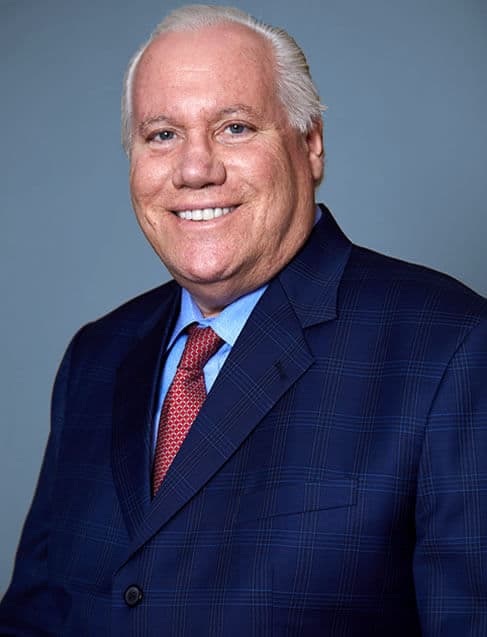
If you or someone close to you has been seriously injured in a bus accident in New York, don’t wait to learn what your legal rights may be. At Washor Kool Sosa Maiorana & Schwartz, LLP, we bring decades of courtroom experience, strategic advocacy, and focused case development to the people who need it most.
We represent victims and families in Brooklyn, Queens, Manhattan, and surrounding areas like Westchester, Nassau, and Suffolk counties. Whether the case involves the MTA, a school bus, or a private tour coach, we’re ready to take the pressure off and get to work.
Call us at (212) 406-1700 to schedule a free, no-obligation consultation.
Washor Kool Sosa Maiorana & Schwartz, LLP - New York Office
233 Broadway #1800,
New York, NY 10279
Ph: (212) 406-1700