What does Rule 23-1.7 require to protect construction workers from falls through hazardous openings in New York?
Industrial Code Rule 23-1.7(b)(1) requires property owners and general contractors to protect workers from falling into qualifying hazardous openings on construction sites through covers, railings, planking, life nets, or fall arrest systems.
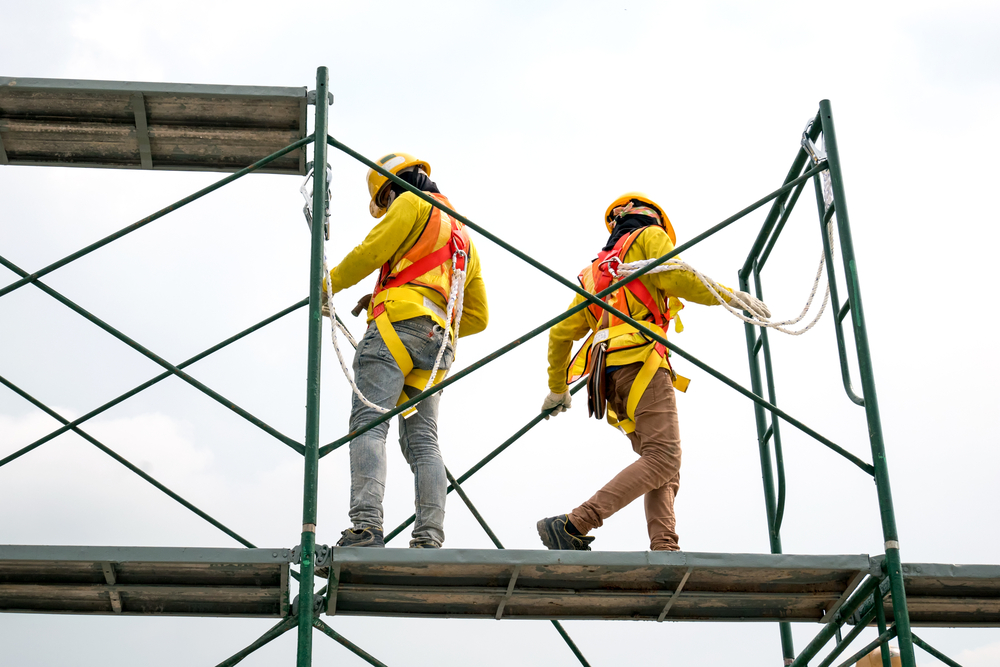
Many serious falls through construction-site openings involve missing covers, inadequate railings, or a failure to provide appropriate fall protection. The regulations require the protection. The materials exist. The failure is usually organizational rather than technical.
In our experience handling construction fall cases across NYC, whether a particular regulation applied to the fall is often one of the central issues in dispute. Rule 23-1.7 addresses several specific hazards, and understanding which subsection may apply to a given accident matters for the injured worker's claim.
Schedule a Free Case Evaluation
What You Need to Know
- Rule 23-1.7(b)(1) covers hazardous openings, not all edges: The regulation applies to openings a worker could step or fall into. Perimeter edges, roof edges, and balconies may be governed by other Industrial Code and OSHA provisions.
- Missing protection may support Labor Law 241(6) claims: When a specific Rule 23-1.7 provision is violated and the violation contributed to the fall, the property owner and general contractor may face liability.
- Falls from height often also trigger Labor Law 240: Elevation-related falls without proper protection may support additional claims alongside 241(6).
- Opening size and depth matter: Not every depression or shallow opening qualifies. New York courts require the opening to have sufficient size and depth for a worker to realistically fall into it.
- Evidence changes quickly: Sites are often repaired within days. Photos, witness statements, and preservation letters must happen fast.
These takeaways apply to most cases involving falls through construction openings, but the facts of the specific fall determine what each case involves.
What Does Industrial Code Rule 23-1.7 Actually Cover?
Rule 23-1.7 addresses several categories of general hazards on New York construction sites. Each subsection targets a different specific hazard rather than serving as a universal fall-protection regulation.
| Rule 23-1.7 Subsection | What It Covers |
|---|---|
| 23-1.7(a) | Overhead hazards including falling objects |
| 23-1.7(b) | Hazardous openings, bridge and highway-overpass work |
| 23-1.7(c) | Drowning hazards near water |
| 23-1.7(d) | Slipping hazards from ice, snow, water, oil |
| 23-1.7(e) | Tripping hazards in passageways and work areas |
| 23-1.7(f) | Vertical passages including ladders and stairs |
| 23-1.7(g) | Air contaminants |
What Rule 23-1.7(b)(1) requires
Section 23-1.7(b)(1) addresses hazardous openings into which a worker could step or fall. The provision does not automatically apply to every unguarded perimeter edge, roof edge, balcony, or elevated platform.
It applies specifically to openings such as floor holes, shafts, pits, trenches, and similar hazards where a worker could fall through or into. The New York State Department of Labor enforces the Industrial Code through inspections that generate records used in civil litigation.
When does an opening qualify as hazardous?
Whether an opening qualifies as a hazardous opening depends on its size, depth, location, and whether a worker could realistically step or fall into it. Minor depressions and shallow openings may not fall within Rule 23-1.7(b)(1). Courts have dismissed claims when the opening was not deep or large enough to qualify.
Protection required near hazardous openings
When workers must perform work close to the edge of a qualifying hazardous opening, Rule 23-1.7(b)(1)(iii) may require planking below the opening, an approved life net, or an approved safety belt attached to a properly secured lifeline.
Separate Industrial Code sections, including 23-1.15, 23-1.16, and 23-1.17 establish detailed construction requirements for safety railings, harnesses, lifelines, and life nets.
What About Perimeter Edges and Roof Edges?

Perimeter edges of upper floors, roof edges, and balcony openings may not fall under Rule 23-1.7(b)(1). Other Industrial Code provisions and federal OSHA regulations may apply instead. Labor Law 240 may also apply when a fall involves elevation-related hazards without proper safety devices.
OSHA warning-line and safety-monitor rules
Federal OSHA rules may permit warning-line and safety-monitoring systems during certain low-slope roofing operations, subject to detailed restrictions. Those requirements are separate from Industrial Code Rule 23-1.7 and apply only in specified circumstances. They are not general substitutes for guardrails in every open-edge situation.
Other Industrial Code provisions
Other Rule 23 sections may address perimeter guarding, roof edge protection, and elevated platforms depending on the type of work being performed. An attorney reviewing a specific case identifies which regulations may apply to the particular accident.
What Counts as a Hazardous Opening on a Construction Site?
A hazardous opening under Rule 23-1.7(b)(1) is a location where a worker could step or fall into an opening of sufficient size and depth. Construction sites constantly create these openings during the building process.
Common hazardous openings
- Skylight openings: Before glass or covers are installed
- HVAC and plumbing openings: Cut through slabs for mechanical systems
- Elevator shaft openings: At each floor level during construction
- Trap doors and hatches: In roofs, floors, and platforms
- Temporary construction openings: Cut for material movement between floors
- Trenches and pits: Excavations of sufficient depth
- Stairwell openings: Before permanent guardrails or covers are installed
Each opening type may trigger Rule 23-1.7(b)(1) when the size and depth meet the requirements.
When Does a Missing Cover or Railing Support a Legal Claim?
A missing cover or railing may support a legal claim when three elements come together: a specific Rule 23-1.7 provision required the protection, the required protection was missing or inadequate, and the missing protection contributed to the fall. Both Labor Law 241(6) and 240(1) may apply.
The specificity requirement
Only Rule 23-1.7 provisions specific enough to command a particular safety result support Labor Law 241(6) liability. General safety statements do not qualify. The hazardous-opening provisions of 23-1.7(b)(1) are generally considered specific enough for an unprotected edge injury Rule 23 claim when the opening qualifies.
Labor Law 240 for elevation-related falls
Falls through floor openings and from elevated work areas may also support Labor Law 240 claims. Section 240 imposes a nondelegable duty and absolute liability when a statutory violation proximately causes an elevation-related injury. Section 240 claims often produce stronger legal positions than 241(6) when they apply.
Comparative fault under 241(6)
Under Labor Law 241(6), comparative fault reduces but does not eliminate recovery. A worker who contributed to the fall by removing protection or bypassing safety measures may still recover, at a reduced percentage.
A no-guardrail construction accident lawsuit typically proceeds even when the worker made some contributing decision, though the recovery may be reduced by the worker's percentage of fault.
What Injuries Result From Open-Edge and Hazardous-Opening Falls?
Falls through hazardous openings and from open edges produce serious injuries because of the heights involved. Even short falls onto lower floors, equipment, or debris can produce catastrophic outcomes.
- Traumatic brain injuries: Head impact from falling onto lower floors, equipment, or debris
- Spinal cord injuries: Vertebral fractures, herniated discs, and paralysis
- Multiple fractures: Broken bones throughout the body from high-impact landings
- Internal organ damage: Blunt force trauma to chest, abdomen, or pelvis
- Fatal injuries: Falls through openings and from edges produce a significant share of construction fatalities
According to the Centers for Disease Control and Prevention, falls remain the leading cause of construction worker deaths in the United States.
What Causes Missing Covers and Open-Edge Falls on NYC Sites?
Most falls through openings and from open edges trace back to a small number of recurring failures. The regulations require protection, but the protection is often removed, delayed, or never installed as work progresses through different phases.
Covers removed for material movement
Floor opening covers often come off to allow materials, equipment, or workers to move between floors. When the movement is complete, the cover is supposed to go back in place immediately. In practice, the replacement is often deferred, and the next worker to approach the opening finds no protection.
Openings created without covers
Trades that cut openings for mechanical systems, plumbing, or electrical work create hazards that require immediate protection. When the trade that cut the opening leaves the site without covering it, the next crew often does not know the opening exists. Coordination failures between trades produce many of these accidents.
Anchor points that were never installed
Personal fall arrest systems only protect workers when the anchor points can actually hold the load. When general contractors fail to install rated anchor points before elevated work begins, workers use makeshift attachment points that may fail during a fall.
Who Is Liable in a Missing Cover or Railing Case?
Liability in a case involving a missing cover or inadequate railing may run against several parties. The property owner and general contractor face nondelegable duties under the Labor Law. Additional parties may share responsibility.
Property owners and general contractors
Owners and general contractors may face Labor Law 241(6) liability when a specific Rule 23-1.7 violation contributed to the fall. Section 240 may also apply when the fall involved elevation-related hazards without proper safety devices. The duty under both sections is nondelegable.
Subcontractors and other trades
Subcontractors that created the unprotected opening, removed a cover during their work, or failed to reinstall protection after finishing their task may face direct negligence claims. These claims often run alongside the Labor Law claims.
Fall protection equipment manufacturers
When defective harnesses, lanyards, life nets, or anchor points failed during a fall, the manufacturer may face product liability claims. Product liability claims often add substantial coverage in serious injury cases.
Frequently Asked Questions About Falls Through Construction Openings
How long do I have to file a lawsuit after a fall through an opening in New York?
Most New York construction fall lawsuits must be filed within three years. Claims against New York City, NYCHA, the MTA, and many other public entities may require a Notice of Claim within 90 days. Port Authority claims follow different rules, including a one-year filing deadline and notice at least 60 days before the lawsuit begins.
Can I file a claim if I fell through a floor opening on a New York construction site?
Possibly. Falls through floor openings often support Labor Law 241(6) claims based on Rule 23-1.7(b)(1) violations when the opening qualifies as a hazardous opening. They may also support Labor Law 240 claims when the fall involved elevation-related hazards without proper safety devices. The specific facts of the opening size, depth, required protection, and site conditions determine whether the claim proceeds.
Can I recover if I removed the cover myself for a specific task?
Possibly. Under Labor Law 241(6), comparative fault reduces but does not eliminate the recovery. The property owner and general contractor may still face liability for permitting work without adequate protection. The specific facts matter, including whether alternative protection was available and required.
Do I need to know which specific subsection of Rule 23-1.7 applies?
No. The specific subsection is legal analysis that attorneys handle during case investigation. What injured workers need to do is preserve evidence about the missing protection, the location of the fall, and the work being performed.
What if the site was repaired before I could take photos?
Site repair does not end the case. Investigators can reconstruct the site conditions through witness testimony, OSHA records, contractor logs, and photographs taken by others. Early legal involvement helps identify these sources before records are lost.
When the Only Thing Missing Was the Protection
Rule 23-1.7(b)(1) exists because falls through hazardous openings kill construction workers. The regulation identifies specific protections that owners and contractors must provide for qualifying openings. When those protections are missing and a worker falls, the missing protection is not incidental to the injury. It is often the whole story.
The specific applicable Rule 23-1.7 subsections depend on the facts of any given fall. Whether Labor Law 240 also applies depends on the elevation-related aspects of the accident.
If you or someone you know was injured in a fall through an unprotected opening or from an unprotected edge on a NY construction site, the attorneys at Washor Kool Sosa Maiorana & Schwartz, LLP can review the facts and explain what protections apply.
Call (212) 406-1700 for a free case evaluation.