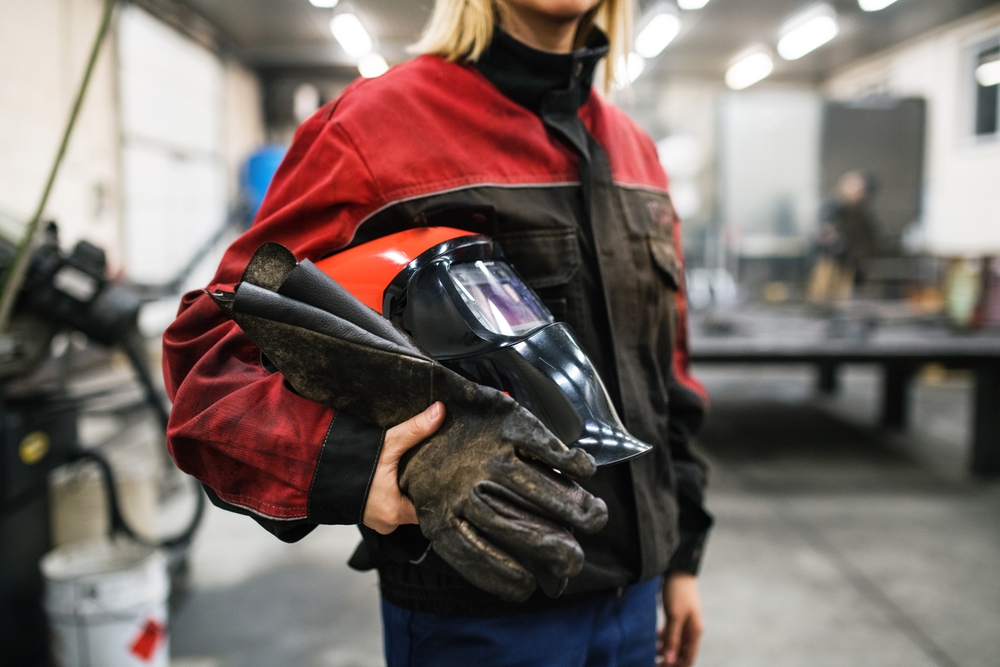
A welder who wakes up in a burn unit did not choose the conditions that put them there. The gas line was defective. The ventilation was inadequate. The panel next to the work area was still energized. The PPE never arrived. Each of those decisions belonged to someone else — the property owner, the general contractor, the subcontractor, the equipment manufacturer.
When you need a welding accident lawyer, our attorneys at Washor Kool Sosa Maiorana & Schwartz, LLP can help.
Welding on a NYC construction site combines extreme heat, ultraviolet radiation, molten metal spatter, toxic fumes, and gases under pressure. When the safety systems around that work fail, the injuries are usually severe.
Our firm builds cases against the parties responsible for the conditions, not the welder who was doing the job.
Schedule a Free Case Evaluation
Talk to a Welding Accident Lawyer in NYC Before the Insurance Company Calls
The general contractor will report the accident to its insurance carrier within hours. Investigators will show up before the welder gets home from the hospital. Speak with a welding accident lawyer in NYC before you talk to anyone from the insurance side.
Call (212) 406-1700 for a free case review.
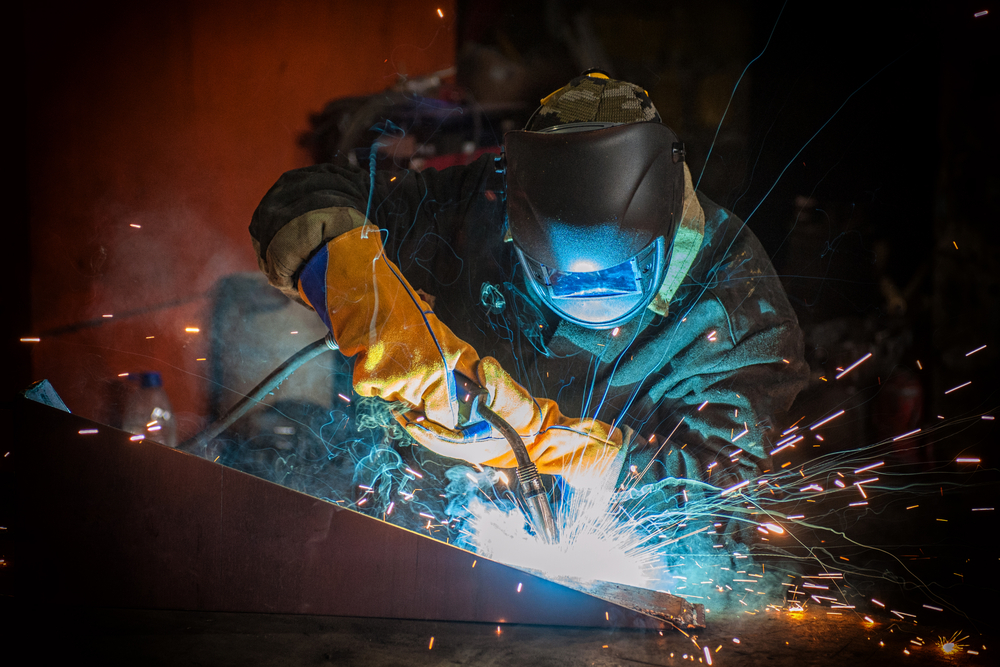
What Counts as a Welding Accident in New York?
A welding accident is any injury a worker sustains while performing welding, cutting, brazing, or related hot work on a NYC construction site. The category covers burns, eye injuries, respiratory injuries, electrical shock, fires, explosions, and falls caused by welding conditions.
What kinds of welding accidents happen most often?
The most common welding accidents include:
- Arc flash injuries: The intense light and heat from the welding arc burns exposed skin and damages the eyes
- Burn injuries from molten metal: Spatter from the weld pool lands on skin, in ears, or inside boots and clothing
- Fires and explosions: Sparks ignite flammable materials, or a gas line failure produces an explosion
- Electrical shock: The welder contacts the energized electrode or a stray current in the work piece
- Respiratory injuries: Fumes and gases accumulate in enclosed spaces and cause acute or chronic lung damage
- Falls during welding: The welder loses balance or is knocked from height while the arc is active
Each accident type raises different liability questions, but almost all of them involve safety systems that failed or were never in place.
What is an arc flash injury?
An arc flash injury is a burn caused by the electrical arc during welding or work on electrical equipment. The arc produces extreme heat and ultraviolet radiation that can cause first, second, and third-degree burns in fractions of a second. Arc flash also produces eye damage called arc eye, a painful corneal injury that develops hours after exposure. An arc flash injury lawyer in NY investigates whether the welder had proper PPE, whether it failed, and whether the site conditions increased exposure.
How Does New York Labor Law Apply to Welding Accidents?
New York Labor Law creates third-party liability against property owners and general contractors independent of the workers' compensation system. Welding accidents usually proceed under Labor Law 241(6), Labor Law 200, and sometimes Labor Law 240.
Labor Law 241(6) and the Industrial Code
Labor Law 241(6) requires owners and contractors to comply with specific regulations in the New York State Industrial Code. The Industrial Code contains detailed regulations on welding operations including ventilation, fire protection, gas storage, hot work permits, and PPE. Violations that contribute to injury create liability against the property owner and general contractor.
Labor Law 200 and the general duty
Labor Law 200 codifies the common-law duty to provide a reasonably safe workplace. Welding cases often add Labor Law 200 claims when the owner or general contractor had control over the work or knew about the dangerous conditions.
Labor Law 240 in elevated welding
Labor Law 240 applies when a welder falls from height because proper safety devices were not provided. Structural steel welding, roof welding, and welding on scaffolds all raise Labor Law 240 exposure. When strict liability applies, the case gets significantly stronger.
| Labor Law Section | Application to Welding | Standard of Liability |
|---|---|---|
| § 240 (Scaffold Law) | Welding at height with fall protection failures | Strict liability |
| § 241(6) (Industrial Code) | Most welding cases with regulatory violations | Comparative fault applies |
| § 200 (General duty) | When defendant had control or notice of the hazard | Common-law negligence |
What Causes Welding Accidents on NYC Construction Sites?
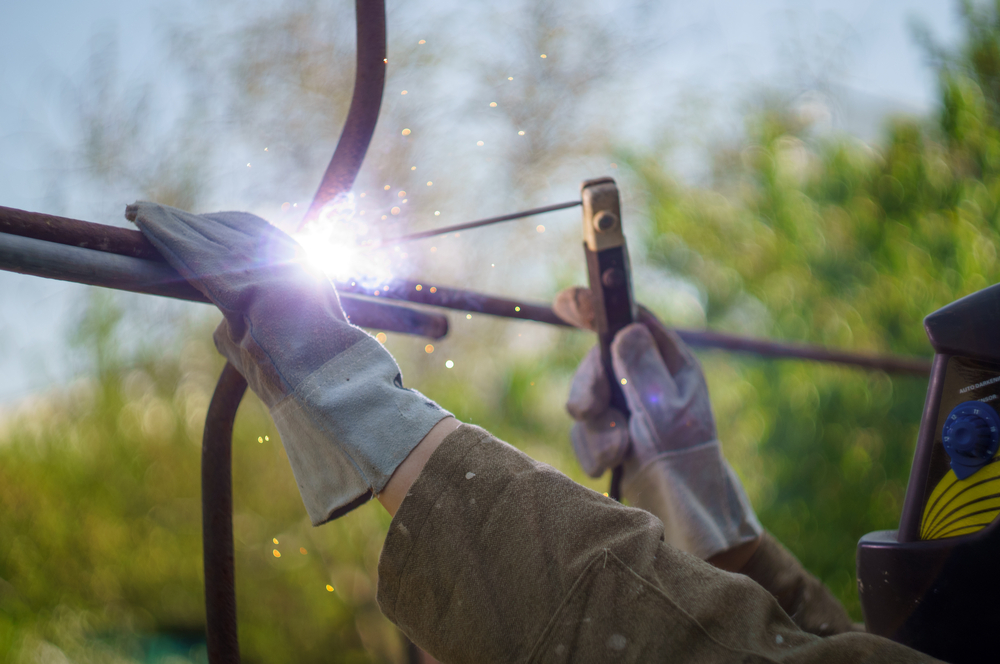
The primary reason for a construction welding accident in NYC is inadequate site preparation before the hot work begins. Welding requires specific conditions to be safe. When those conditions are not established, injuries follow predictable patterns.
Missing hot work permits and fire watch
NYC construction sites require hot work permits and dedicated fire watches for most welding operations. When permits are skipped and fire watches are not posted, small sparks turn into serious fires. Pressure from site management to skip these steps drives many welding-fire injuries.
Inadequate ventilation and defective equipment
Welding fumes contain metals and gases that damage the lungs. In confined spaces, inadequate ventilation causes acute respiratory injuries and long-term lung disease. Damaged cables, defective ground clamps, failed gas regulators, and cracked hoses also cause welding accidents. Equipment defects trigger product liability claims against manufacturers alongside the Labor Law case.
Missing PPE and failure to de-energize adjacent circuits
Welders need helmets with proper shade lenses, flame-resistant clothing, leather gloves, and respiratory protection when required. When any element is missing or defective, exposure to arc flash, spatter, and fumes increases significantly. Welding near live electrical circuits creates arc flash exposure independent of the welding itself.
Lockout/tagout procedures should be followed to isolate energy sources before welding near electrical equipment begins.
Who Is Liable in a Welding Burn Injury Case in New York?
A welding burn injury attorney in New York investigates several parties for liability: the property owner, the general contractor, the welding subcontractor, equipment manufacturers, and building system contractors whose work created hazards.
Property owners and general contractors
Owners and general contractors face Labor Law 241(6) and 200 liability for welding accidents involving Industrial Code violations or unsafe site conditions. The duty extends to ensuring proper hot work permits, fire watches, ventilation, and lockout procedures across the site.
Welding subcontractors and equipment manufacturers
The welding subcontractor performing the work can face direct negligence claims when its safety practices, equipment maintenance, or supervision failed. When defective welding equipment, ground clamps, gas regulators, or PPE contributed to the accident, the manufacturer can face product liability claims that add significant coverage.
Building system contractors
When electrical contractors failed to lock out circuits, when HVAC contractors failed to install adequate ventilation, or when other trades created conditions that made welding dangerous, those contractors can face direct negligence claims.
What Injuries Result From Welding Accidents?
Welding accidents produce a wide range of injuries because of the extreme conditions welders work in.
Severe burns and eye injuries
Burns from arc flash, spatter, and welding fires can produce second- and third-degree burns requiring surgical debridement, skin grafts, and reconstructive procedures. Severe burns cause permanent scarring, contractures that limit movement, and psychological trauma. Arc eye is the acute corneal injury from unprotected exposure to the arc, and repeated exposures cause cumulative damage that can result in permanent vision loss.
Respiratory and lung injuries
Welding fumes contain manganese, chromium, nickel, and other metals depending on the base material and filler being used. The Centers for Disease Control and Prevention documents respiratory conditions caused by welding fume exposure, including acute chemical pneumonitis, occupational asthma, and long-term pulmonary disease.
Electrical shock, falls, and fatal injuries
Welders can suffer electric shock from contact with the electrode or from stray current through the workpiece. Electrical injuries can cause cardiac arrhythmias, burns along the current path, and neurological damage.
Welders working on structural steel, scaffolds, or roofs can fall when the intensity of the work distracts from balance. Serious burns, explosions, and falls produce a significant number of construction fatalities each year. Wrongful death claims allow surviving family members to recover under New York's wrongful death statute.
What Compensation Can a Welding Accident Lawyer Recover?
A welding accident lawyer pursues compensation through a third-party Labor Law lawsuit and, when defective equipment contributed to the accident, a product liability claim. The available recovery depends on the severity of the injury and the parties responsible.
Third-Party Labor Law and Product Liability Damages
The Labor Law lawsuit against the property owner, general contractor, and other non-employer parties may allow an injured worker to seek past and future medical expenses, lost earnings, diminished earning capacity, pain and suffering, and loss of enjoyment of life.
Serious burn cases can produce substantial recoveries because the damages often include reconstructive surgery, long-term rehabilitation, permanent scarring, and reduced earning capacity.
When defective welding equipment or PPE contributed to the accident, the manufacturer or another company in the product's distribution chain may face a product liability claim alongside the construction defendants. Workers' compensation may also be available through the direct employer, though it does not cover pain and suffering or full lost earnings.
Wrongful Death Damages
When a welding accident kills a worker, eligible family members or the estate may have wrongful death and survival claims under New York law. These claims may allow recovery for funeral costs, lost financial support, and loss of guidance for surviving children.
Welding Evidence Disappears Fast
The welding equipment gets returned to the rental yard. The defective ground clamp gets replaced. The work area gets cleaned and rewelded. Surveillance footage gets overwritten within days. Move fast to preserve what remains.
Call (212) 406-1700 to send preservation letters today.
Schedule a Free Case EvaluationWhy Choose Our New York Welding Accident Lawyers at Washor Kool Sosa Maiorana & Schwartz, LLP
In our experience handling welding accident cases, the strongest cases combine three elements: early preservation of the equipment involved, bilingual interviews that capture the welder's account in their own language, and damages preparation that anticipates the long-term burn or respiratory picture.
Many NYC welders describe what happened most accurately in Spanish or in the technical language of their trade. When a lawyer speaks the welder's first language and understands welding terminology, the investigation moves faster than it would through an interpreter.
Spanish-speaking lawyers who know the trades
Many NYC welding cases involve workers whose first language is Spanish. Our attorneys speak with welders directly in Spanish and understand the trade terminology for welding equipment, procedures, and safety practices.
Investigation that starts the day you call
When clients call our firm after a NYC welding accident, investigators are dispatched the same day. Equipment gets returned, work areas get cleaned, and surveillance footage gets overwritten on schedules of days. Speed protects evidence.
Track record and direct attorney attention
Our attorneys have recovered over $1 billion for injured clients and their families. We handle welding accidents, ladder falls, scaffold collapses, falling object claims, and electrocution cases across all five boroughs. Strategic decisions, depositions, settlement negotiations, and trial work stay with the partners handling the case.
Schedule a Free Case EvaluationFrequently Asked Questions About NYC Welding Accident Claims
How long do I have to file a welding accident lawsuit in New York?
Most NY welding accident lawsuits must be filed within three years of the accident. Claims against NYC, NYCHA, the MTA, the Port Authority, or other government entities require a Notice of Claim within 90 days.
Can I file a claim if I developed lung problems years after welding exposure?
Possibly. Occupational lung diseases from welding fume exposure often develop years after the initial exposure. New York law has specific rules for latent injury claims. Early consultation with a lawyer helps identify whether your claim is still within the applicable deadlines.
Can I sue if I was paid in cash or if I am undocumented?
Yes to both. Cash payment does not affect your right to file a Labor Law claim against the property owner and general contractor. Immigration status also does not affect your right to file a claim or recover damages. NY courts protect the rights of all injured workers.
What if the welding equipment belonged to my employer?
Ownership of the equipment does not affect the Labor Law claim against the property owner and general contractor. The employer remains protected from the lawsuit through workers' compensation, but the third-party parties face full Labor Law liability.
Get Your NYC Welding Accident Case Started Today
The case review is free. We pay all case costs upfront. You owe nothing unless we recover money for you. Welding evidence disappears within days, so early investigation matters most.
Call (212) 406-1700 to get started.