What should injured workers know after an electrocution accident on a NYC construction site?
Workers electrocuted on a construction site in New York can typically recover damages through both workers' compensation and a third-party Labor Law lawsuit against the property owner, general contractor, and parties responsible for the electrical hazard.
The third-party case covers pain and suffering, lost wages, and future medical costs beyond what workers' compensation pays.
What Should You Know?
- Electrocution rarely leaves the body unhurt: Internal burns, cardiac damage, and neurological injury continue long after the visible burn heals.
- Labor Law 241(6) covers most electrical cases: Specific Industrial Code regulations on electrical work create third-party liability when violations cause injury.
- Lockout/tagout failures drive most cases: In our experience handling construction electrical injury cases, the failure to de-energize circuits before work is the single most common cause.
- Utility companies share liability: When the energized line should have been disconnected or marked, the utility can face direct claims alongside the GC and owner.
- Evidence vanishes quickly: Electrical panels get reset, lockout tags get removed, and witness memories fade. The first 72 hours matter most.
These takeaways apply to most New York construction electrocution cases, but specific facts about the circuit, the work being performed, and the safety procedures in place determine each case's value.
Construction site electrocution is one of the most dangerous workplace exposures in New York. The U.S. Bureau of Labor Statistics identifies electrocution as one of the "Fatal Four" causes of construction worker deaths, alongside falls, struck-by incidents, and caught-in-between accidents.
Workers electrocuted on a construction site in New York face injuries that often outlast the visible burns by years.
A construction site electrocution lawyer in New York handles these cases because the legal analysis is more technical than most construction injury cases. The applicable Labor Law section, the role of lockout/tagout procedures, the involvement of utility companies, and the products liability angle for defective equipment all require coordinated investigation from the first day.
In our experience, the strongest electrocution cases share three patterns: the de-energization procedure was incomplete or skipped, multiple parties shared responsibility for the live circuit, and the injuries extended well beyond the initial burn into cardiac, neurological, or musculoskeletal damage that only became fully apparent months later.
What Counts as an Electrocution Accident on a Construction Site?
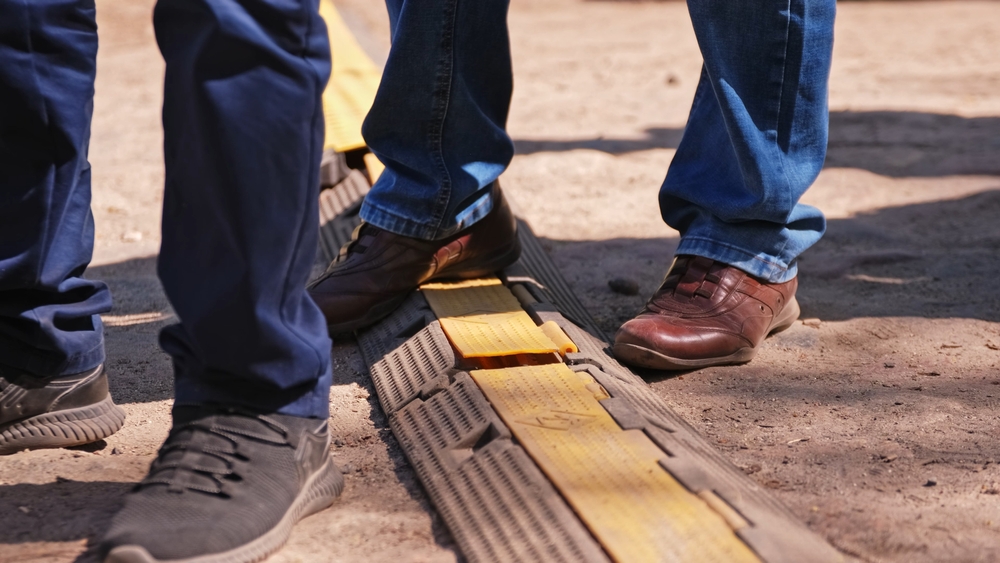
An electrocution accident on a construction site in NYC includes any incident where a worker contacted live electricity and suffered injury, whether from direct contact, arc flash, arc blast, or secondary impact after the shock. The legal analysis applies the same Labor Law framework to each category.
What is the difference between electrocution and electric shock?
Electrocution technically means death by electrical contact, but most lawyers and the construction industry use the term to describe any serious electrical injury. Electric shock refers to the same physical event with non-fatal outcome. Both categories trigger the same Labor Law protections.
What are the main types of electrical accidents?
The main categories include:
- Direct contact with live wires: Workers touch energized conductors, often during installation, repair, or demolition work
- Arc flash injuries: Electricity jumps through air between conductors, creating extreme heat that burns workers nearby
- Arc blast injuries: The pressure wave from an arc flash throws workers, causing secondary impact injuries
- Contact through tools or equipment: Workers contact live circuits through metal tools, ladders, or scaffolds touching energized lines
- Step-and-touch potential: Workers complete a circuit by standing on energized ground or touching two surfaces at different voltages
Specifically, the legal analysis turns on which Industrial Code regulations the responsible parties violated, not the precise mechanism of injury.
What Causes Electrocution Accidents on NYC Construction Sites?
The primary reason for electrocution accidents on NYC construction sites is failure to de-energize circuits before work begins. Lockout/tagout procedures exist to prevent exactly this scenario, and their failure produces most serious electrical injuries.
Why does lockout/tagout fail so often?
Lockout/tagout requires identifying every energy source, isolating it, verifying de-energization, and applying physical locks and tags. Each step requires time and coordination. In construction settings where multiple trades work simultaneously, the procedure gets shortcut routinely.
Common failure modes include:
- Incomplete circuit identification: Workers de-energize the wrong circuit or miss a parallel feed
- Failure to verify with a meter: Workers assume a circuit is dead without testing
- Premature lock removal: A different crew removes the lock before all work is complete
- Energized testing requirements: Some work cannot be done de-energized, increasing exposure
What other causes drive electrocution cases?
Beyond lockout/tagout, the major causes include contact with overhead power lines during crane or scaffold work, defective tools with damaged insulation, improper grounding of temporary power on the site, and water or moisture creating unexpected conduction paths.
In contrast to most construction injuries, electrocution cases often involve utility companies that own the energized infrastructure adjacent to or running through the work site. Utility involvement requires separate notice and investigation procedures that affect the case strategy.
How Does New York Labor Law Apply to Electrocution Cases?
The primary reason New York Labor Law matters in electrocution cases is that it creates third-party liability against the property owner and general contractor independent of the workers' compensation system. Most electrical cases proceed under Labor Law 241(6) because the New York State Industrial Code contains specific regulations on electrical work.
Labor Law 241(6) and the Industrial Code
Labor Law 241(6) requires owners and contractors to comply with specific safety regulations in the Industrial Code. The applicable electrical regulations cover lockout/tagout procedures, grounding requirements, protective equipment, and minimum clearance distances from energized lines. A violation of these specific regulations that contributes to injury creates liability.
Labor Law 240 in electrocution cases
Labor Law 240 sometimes applies to electrocution accidents that involve elevation, particularly when a worker on a ladder or scaffold was electrocuted because of inadequate fall protection that allowed contact with overhead lines. The strict liability rule under Labor Law 240 produces stronger legal positions than Labor Law 241(6) when it applies.
Labor Law 200 and general negligence
Labor Law 200 codifies the common-law duty to provide a safe workplace. Electrocution cases often add Labor Law 200 claims to the Labor Law 241(6) claims when the property owner or general contractor had control over the electrical work or knew about the hazard.
| Labor Law Section | Application to Electrocution | Standard of Liability |
| § 240 (Scaffold Law) | When elevation was involved in the electrical contact | Strict liability |
| § 241(6) (Industrial Code) | Most electrical cases involving safety regulation violations | Comparative fault applies |
| § 200 (General duty) | When defendant had control or notice of the hazard | Common-law negligence |
What Injuries Result From Construction Site Electrocution?
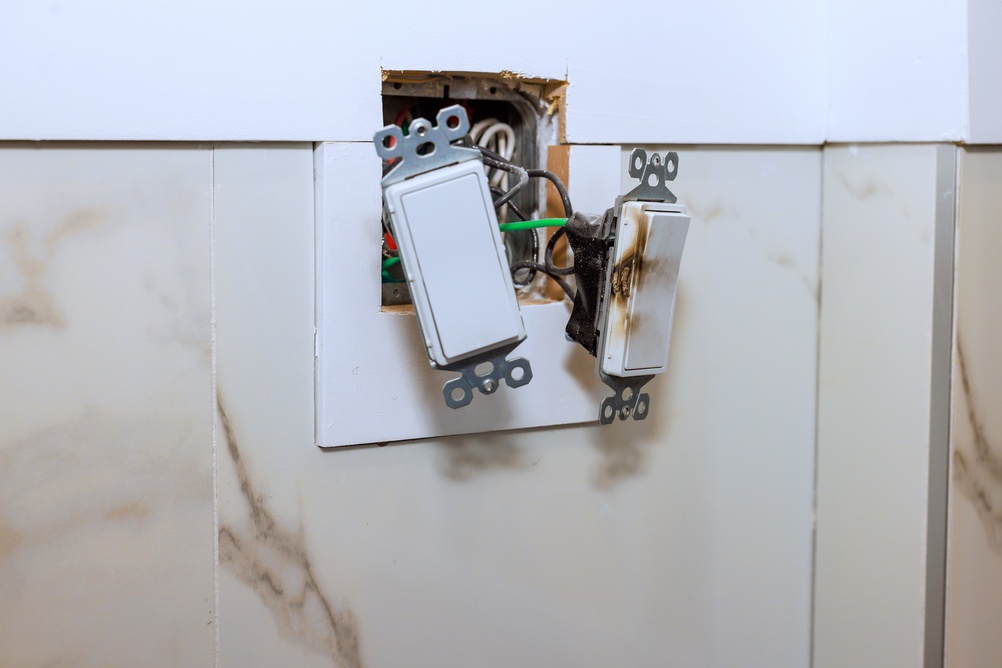
The primary injury from construction site electrocution is often invisible at the time of the accident. Internal burns along the path of the current, cardiac arrhythmias, neurological damage, and musculoskeletal injuries from the shock can develop or worsen over days and weeks.
Burn injuries
External burns at the entry and exit points of the current can range from minor reddening to deep tissue destruction requiring surgical debridement and skin grafts. The visible burn rarely captures the full extent of internal tissue damage.
Cardiac injuries
Electrical current passing near the heart can cause immediate arrhythmias, cardiac arrest, or delayed cardiac complications that develop over days or weeks. The Centers for Disease Control and Prevention documents the prevalence of delayed cardiac symptoms in electrocution survivors.
Neurological injuries
Electrical injury can produce traumatic brain injuries when the worker is thrown by arc blast, direct neurological damage from current passing through the nervous system, peripheral nerve injury, and long-term cognitive symptoms similar to traumatic brain injury.
Musculoskeletal injuries
Electrical current causes violent muscle contractions that can produce torn muscles, dislocated joints, broken bones, and spinal injuries even when the worker did not fall. Evaluations sometimes miss these injuries until weeks later when delayed pain develops.
Long-term complications
Survivors of construction site electrocution often report symptoms years after the accident: chronic pain, fatigue, cognitive changes, sleep disturbance, and psychological symptoms. The long-term picture matters significantly for damages calculations.
What Compensation Is Available After a Construction Site Electrocution?
A construction site electrocution lawyer in New York pursues compensation in three categories: workers' compensation benefits, third-party Labor Law lawsuit damages, and product liability damages when defective equipment contributed to the accident.
Workers' compensation benefits
Workers' compensation pays medical bills and a portion of lost wages regardless of fault. According to the New York State Workers' Compensation Board, wage replacement is capped at two-thirds of the worker's average weekly wage, subject to maximum benefit schedules that often fall short of construction wages.
Third-party Labor Law damages
The Labor Law lawsuit against the property owner, general contractor, electrical subcontractor, and utility company can recover the full range of damages including past and future medical expenses, full lost wages and earning capacity, pain and suffering, and loss of enjoyment of life.
Electrocution cases with cardiac or neurological complications routinely produce seven-figure third-party recoveries.
Product liability damages
When defective tools, testing equipment, or personal protective equipment contributed to the accident, the manufacturer can face full damages liability alongside the construction parties.
Wrongful death damages
When a construction site electrocution kills a worker, surviving family members can recover funeral costs, lost financial support, and loss of guidance for surviving children under New York's wrongful death statute.
What Should Workers Do After a Construction Site Electrocution?
The primary action after a construction site electrocution is to obtain immediate emergency medical evaluation regardless of how the worker feels. Delayed cardiac and neurological symptoms can be fatal even when the initial injury seems minor.
Step 1: Obtain emergency medical evaluation
Cardiac monitoring is the standard of care for any significant electrical injury, even when the worker appears uninjured. Many serious complications develop in the hours after the shock. Workers should accept ambulance transport and complete the full evaluation including cardiac monitoring.
Step 2: Report the accident the same day
An incident report creates the official record that the electrocution happened on the site. Without one, the employer and general contractor can later deny the accident occurred or argue the conditions were different. Request a written copy of the report.
Step 3: Document the scene and equipment
The lockout/tagout devices, the electrical panel, the work area, and the tools involved are critical evidence. When possible, photograph everything before the scene is reset or cleaned up. The OSHA Occupational Safety and Health Administration investigation report, when one exists, also becomes important case evidence.
Step 4: Avoid recorded statements
Insurance adjusters request recorded statements specifically to lock injured workers into early descriptions of the electrocution. Those descriptions can later be used to contradict the worker at deposition or trial. Workers should decline recorded statements until they have spoken with an attorney.
Frequently Asked Questions About Construction Site Electrocution in New York
How long do I have to file an electrocution lawsuit in New York?
Most New York construction electrocution lawsuits must be filed within three years of the accident. Claims against NYC, NYCHA, the MTA, or other government entities require a Notice of Claim within 90 days. Claims against utility companies often have separate procedural requirements that take effect immediately.
Can I file a claim if the utility company owns the line that electrocuted me?
Yes. Utility companies can be liable in construction site electrocution cases when the energized line should have been disconnected, marked, or kept at safe clearance from the work area. The notice and investigation procedures for utility claims often differ from claims against construction parties, which makes early legal involvement particularly important.
What if I had no visible injury at the time of the accident?
Visible injury is not required to establish a Labor Law case. Many construction site electrocutions produce internal cardiac, neurological, and musculoskeletal injuries with no external signs. Workers who felt the shock should obtain full medical evaluation including cardiac monitoring and follow-up neurological assessment regardless of how they feel initially.
Have Questions? We Have Answers. Call Now.

What would full recovery look like in the specific circumstances of your construction electrocution? The answer depends on the circuit involved, the parties responsible for de-energization, the equipment in use, and the full medical picture as it develops.
If you or someone you know was electrocuted on a NY construction site, the attorneys at Washor Kool Sosa Maiorana & Schwartz, LLP can review the facts and explain what protections apply. Call (212) 406-1700 for a free case evaluation.