What is a stripping hazard on a construction site?
A stripping hazard exists when a worker removes concrete formwork, falsework, or shoring and the materials collapse, fall, or shift unexpectedly.
The Essentials:
- Stripping work is dangerous by design: Removing formwork after concrete pours, dismantling shoring, or stripping falsework involves heavy materials at height with predictable failure modes.
- Labor Law 240 usually applies: Stripping accidents involving falls or falling materials trigger strict liability against the property owner and general contractor.
- Common injuries are severe: Crushed limbs, traumatic brain injuries, spinal damage, and fatal crush injuries make up the typical injury patterns in stripping accidents.
- Engineering and sequence matter: Stripping accidents often trace to engineering errors, removal of supports too early, or skipped steps in the proper sequence rather than worker mistakes.
- Workers' compensation is not the limit: A third-party Labor Law lawsuit can recover pain and suffering, full lost wages, and future medical costs beyond what workers' compensation pays.
These takeaways apply to most stripping accident cases in New York, but the specific facts of the project, the materials involved, and the engineering decisions affect what each individual case is worth.
Stripping work is one of the higher-risk construction activities on any NYC job site. The work involves removing concrete formwork, dismantling shoring towers, taking down falsework that supported temporary loads, and breaking down systems that held tons of material in place during the concrete pour.
When the timing is wrong, the engineering is wrong, or the supports come out in the wrong order, the result is often a collapse with workers underneath.
Construction accident lawyers see stripping cases produce some of the most severe injuries in the industry. The materials are heavy. The workers are positioned near or under the loads. The failure modes happen quickly. Workers have little time to react when concrete forms, shoring frames, or temporary supports begin to give way.
What Is a Stripping Hazard on a Construction Site?
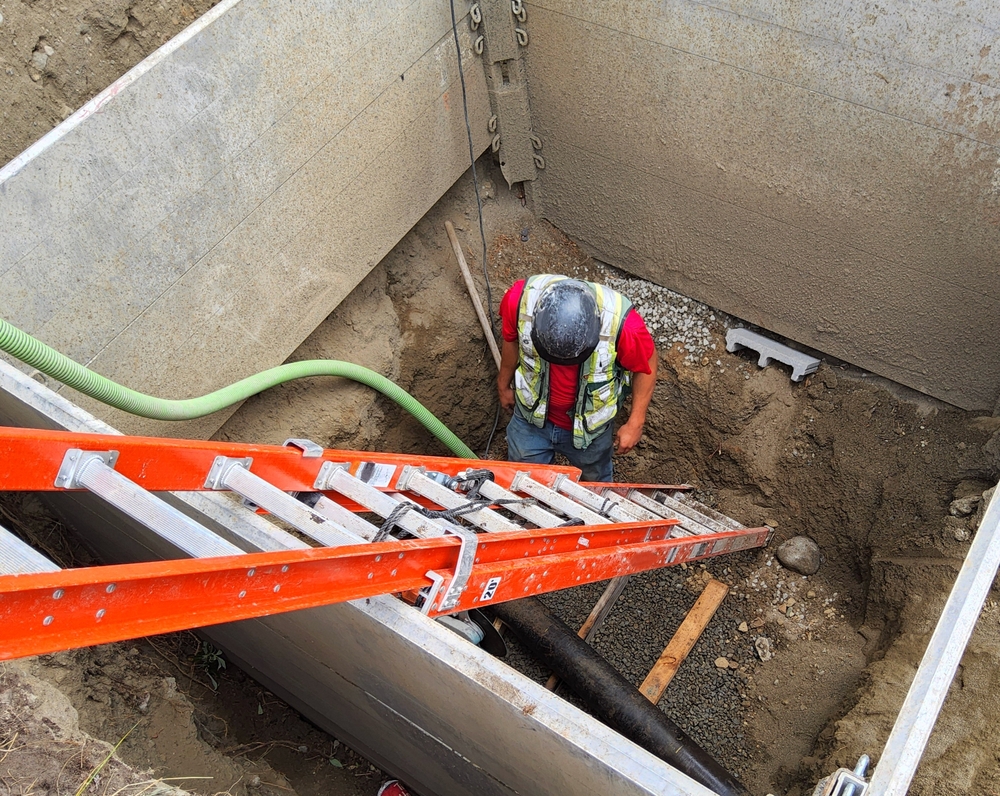
A stripping hazard exists whenever construction workers remove formwork, shoring, falsework, or other temporary support systems after concrete has been poured and cured. The hazard combines the weight of the materials being removed, the height at which the work often happens, and the structural risk that something else may shift or fall when supports are removed.
What does stripping work involve?
Stripping work typically involves the following activities:
- Removing concrete formwork: Taking down the plywood, metal, or composite forms used to shape walls, columns, slabs, and beams after the concrete has cured
- Dismantling shoring towers: Removing the temporary vertical supports that held wet concrete slabs in place during curing
- Taking down falsework: Removing temporary structures that supported concrete elements or other materials during construction
- Stripping wall ties and bracing: Removing the metal ties, snap ties, and bracing used to hold forms together during pours
- Removing reshoring supports: Taking down secondary supports installed after the original shoring was removed
Each activity creates its own hazard pattern, but the common thread is that heavy, sometimes structural materials are being removed from positions where workers below or alongside can be hurt.
Why is stripping more dangerous than initial assembly?
Initial form assembly happens in a controlled sequence with engineered drawings showing how each piece supports the next. Stripping reverses that process under different conditions: the concrete may not be fully cured, adjacent forms may be holding loads they were not designed to hold, and the removal sequence may have to change based on field conditions.
Each variation increases risk.
What Causes a Stripping Accident on a Construction Site in NYC?
A stripping accident on a construction site in NYC usually traces to one of five causes: premature removal of supports, improper removal sequence, engineering errors, defective equipment, or site management failures that push workers to skip safety steps.
Premature removal of supports
Concrete needs time to reach the strength required to support its own weight. Forms and shoring removed before the concrete has reached the specified strength can produce slab collapses, column failures, or partial collapses that injure workers nearby.
The required curing times are set by engineering specifications, but field pressure to keep the project moving often results in early stripping.
Improper removal sequence
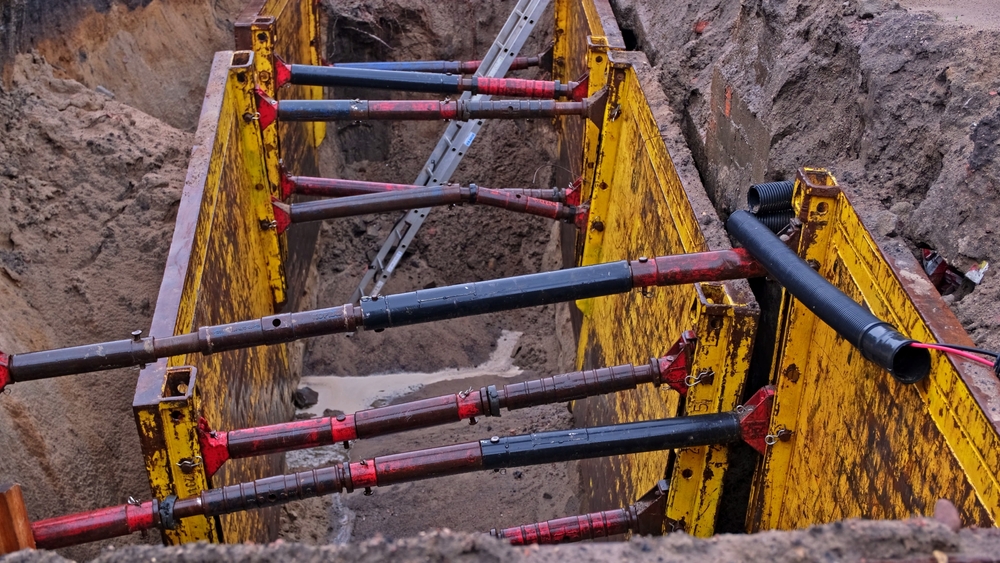
Stripping has to follow a sequence that maintains structural support throughout the process. Removing the wrong supports first, removing too many supports at once, or removing supports in an order that overloads remaining supports can cause cascading failures. The engineering documents specify the proper sequence, but the sequence does not always get followed on site.
Engineering and design errors
Some stripping accidents trace to errors in the engineering documents themselves: incorrect calculations of how much weight remaining supports could carry, incorrect specifications for curing times, or shoring designs that did not account for actual site conditions.
These cases often produce claims against the engineers and design professionals alongside the property owner and general contractor.
Defective equipment
Form clamps that fail, shoring frames with bent or damaged components, hoists that drop materials during removal, and tools that break during stripping work all contribute to accidents. Equipment manufacturers can face product liability claims when defective tools or shoring components contributed to the accident.
Site management failures
Pressure to meet deadlines, inadequate supervision, missing engineering documents on site, and crews working without proper training all push stripping work into unsafe conditions. These management failures shift legal responsibility to the parties controlling the site.
How Does Labor Law 240 Apply to Stripping Hazards in New York?
A stripping hazard Labor Law New York analysis usually finds Labor Law 240 applies because stripping work routinely involves both elevation-related risks (workers on scaffolds, ladders, or shoring towers) and falling material risks (heavy forms and shoring components coming down). Either category triggers strict liability against the owner and general contractor.
| Stripping Hazard | Labor Law 240 Coverage |
| Worker falls from height during stripping | Yes, when fall protection was missing or inadequate |
| Falling formwork strikes worker below | Yes, when material was inadequately secured or hoisted |
| Shoring collapse with worker on top | Yes, when safety devices failed to protect from gravity hazard |
| Falsework collapse during dismantling | Yes, when proper protection was not provided |
| Worker struck by swinging or dropping component | Yes, when securing methods were inadequate |
Why does Labor Law 240 fit stripping work so well?
Labor Law 240 was designed to protect construction workers from gravity-related risks. Stripping work concentrates gravity-related risks in a single activity: workers at height, materials at height, and supports failing in ways that send materials down on workers below. Few construction activities fit the statute's purpose as directly as stripping does.
Does the worker's experience or training affect the case?
Generally no. Labor Law 240's strict liability rule applies regardless of the worker's experience level or training. The defendants cannot avoid liability by arguing the worker should have known better. The only narrow exception is when the worker was the sole proximate cause of the injury, which courts apply rarely in stripping cases.
What if the worker was a subcontractor's employee?
Worker status does not affect the application of Labor Law 240. The law protects workers performing covered construction activities regardless of which entity actually employs them. Subcontractor employees, day laborers, and workers from staffing agencies all fall within the law's protection.
What Injuries Result From Stripping Accidents on NYC Construction Sites?
Stripping accidents on NYC construction sites produce some of the most severe injuries in the construction industry because the materials involved are heavy, the failure modes are sudden, and the workers are often in positions where they cannot move out of the way.
Crush injuries
Crush injuries from falling formwork, collapsing shoring, or falling falsework are the most common severe injuries in stripping accidents. Crush injuries can damage internal organs, sever or amputate limbs, and produce compartment syndrome that requires emergency surgery and sometimes amputation.
Traumatic brain injuries
Head impact from falling materials or from falls during stripping work routinely produces traumatic brain injuries ranging from concussions to severe TBIs. The Centers for Disease Control and Prevention has documented how even moderate TBIs from construction falls produce long-term cognitive impairment that prevents return to skilled work.
Spinal cord injuries
Back and neck injuries from falls during stripping or from being struck by falling materials can produce permanent paralysis, herniated discs, and vertebral fractures. Spinal cord injuries from stripping accidents often produce lifetime medical care needs.
Broken bones and fractures
Workers caught in stripping collapses commonly suffer multiple fractures: broken legs, pelvis, ribs, arms, and skull fractures. Complex fractures often require surgical hardware and months of rehabilitation.
Fatal injuries
Stripping accidents produce a higher rate of fatal injuries than many other construction activities because of the weight of the materials and the positions workers occupy during the work. Wrongful death claims following stripping accidents allow surviving family members to recover under New York's wrongful death statute.
What Compensation Is Available After a Stripping Accident?
A successful stripping accident case can recover three categories of damages: workers' compensation benefits, third-party Labor Law lawsuit damages, and product liability damages when defective equipment was involved.
Workers' compensation benefits
Workers' compensation pays medical bills and a portion of lost wages regardless of fault but does not cover pain and suffering or full lost earnings. According to the New York State Workers' Compensation Board, wage replacement is capped at two-thirds of the worker's average weekly wage, subject to maximum benefit schedules.
Third-party Labor Law damages
The Labor Law lawsuit against the property owner, general contractor, and other non-employer parties can recover the full range of damages including past and future medical expenses, full lost wages, lost earning capacity, pain and suffering, and loss of enjoyment of life. For catastrophic stripping accident injuries, third-party recoveries routinely exceed workers' compensation by a wide margin.
Product liability damages
When defective shoring components, form clamps, hoists, or other equipment contributed to the accident, the manufacturer can be liable for the full range of damages alongside the property owner and general contractor.
Wrongful death damages
When a stripping accident kills a worker, surviving family members can recover funeral costs, lost financial support over the worker's projected working life, and loss of guidance for surviving children under New York's wrongful death statute.
Frequently Asked Questions About Stripping Accidents on NYC Construction Sites
How long do I have to file a stripping accident lawsuit in New York?
Most New York construction accident lawsuits must be filed within three years of the accident. Claims against NYC, NYCHA, the MTA, the Port Authority, or other government entities require a Notice of Claim within 90 days and a lawsuit within one year and 90 days. Missing these deadlines typically ends the case.
Can I file a Labor Law 240 claim if I am an undocumented worker?
Yes. Immigration status does not affect a worker's right to file a Labor Law 240 claim or to recover damages for a stripping accident injury. New York courts have consistently protected the rights of undocumented workers in construction injury cases, including the right to recover full damages.
What if my employer says the stripping accident was my fault?
Under Labor Law 240's strict liability rule, the worker's own conduct generally does not reduce recovery for elevation-related or falling object accidents during stripping work. The defendants must show the worker was the sole proximate cause of the injury, which courts apply rarely. Most stripping accident workers can recover full damages even when they made mistakes on the job.
Have Questions? We Have Answers. Call Now.
A stripping accident is rarely the worker's fault in any meaningful sense. The engineering, the sequence, the timing, and the equipment all came from other parties. When the system fails, New York law shifts responsibility onto the parties with the power to prevent the accident.
What would full recovery look like in the specific circumstances of your stripping accident? The answer depends on the type of work, the engineering involved, the responsible parties, and the nature and severity of the injuries.
If you or someone you know has been injured in a stripping accident on a NY construction site, the attorneys at Washor Kool Sosa Maiorana & Schwartz, LLP can review the facts and explain what protections apply. Call (212) 406-1700 for a free case evaluation.