What does New York Industrial Code Rule 23 mean for injured construction workers?
Industrial Code Rule 23 is the section of New York's construction safety regulations that sets specific standards for scaffolding, excavation, ladders, machinery, and other job site hazards.
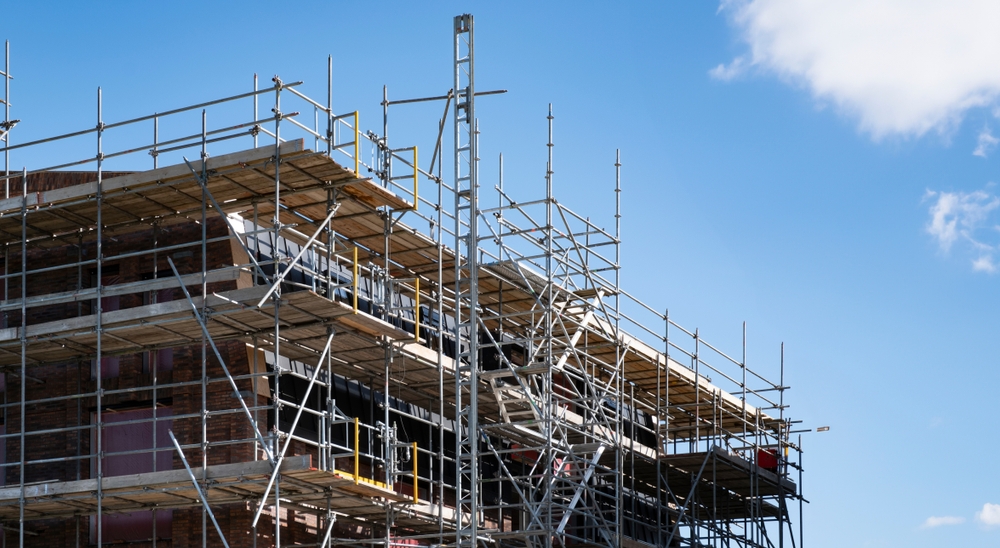
Unsafe work sites hurt workers in predictable ways. A ladder that was not secured. A scaffold missing guardrails. A trench without shoring. A machine with the guard removed.
Behind each of those unsafe conditions is a specific safety regulation that owners and contractors were required to follow and when the regulation is violated and a worker gets hurt, that violation may be the foundation of the injured worker's legal claim. New York's Industrial Code Rule 23 is where those specific regulations live.
In our attorneys' experience handling construction accident cases across NYC, workers rarely arrive knowing which specific safety regulation was violated. What they know is that something failed. The ladder was not tied off. The trench was not shored. The machine guard was missing.
A construction accident lawyer's first job is often to translate what the worker experienced on the unsafe work site into the specific Industrial Code violations that will support the legal claim.
Schedule a Free Case Evaluation
What You Need to Know
- Rule 23 sets specific safety standards: The regulation covers scaffolding, excavation, machinery, ladders, falling objects, PPE, and other construction hazards with detailed requirements.
- Rule 23 powers Labor Law 241(6) claims: A construction worker cannot bring a section 241(6) claim without identifying a specific Rule 23 violation that caused the injury.
- Not every Rule 23 section supports a claim: Courts distinguish between specific commands and general safety statements. Only the specific commands create liability.
- Rule 23 works alongside OSHA regulations: OSHA sets federal safety standards for construction. Rule 23 provides the state-law hook that owners and contractors face in New York court.
- Investigation identifies which sections apply: The specific Rule 23 sections that apply to any accident depend on the type of work, the equipment involved, and the exact circumstances of the injury.
These takeaways apply to most Rule 23 questions injured construction workers ask, but the specific application depends on the facts of the accident.
What Is Industrial Code Rule 23?
Industrial Code Rule 23 is Part 23 of Title 12 of the New York Codes, Rules and Regulations. The New York State Department of Labor administers the Industrial Code, which sets safety standards for various work activities. Rule 23 covers construction, demolition, and excavation operations specifically.
Where does Rule 23 come from?
The New York State Industrial Board of Appeals promulgated Rule 23 under authority granted by the New York State Labor Law. The rule has been amended over the decades to address new construction methods, new safety technologies, and new hazards.
Who does Rule 23 apply to?
Rule 23 applies to construction, demolition, and excavation operations in New York state. The regulation binds property owners, contractors, and their agents. Workers themselves have some obligations under Rule 23 as well, but the primary enforcement mechanism runs against the parties controlling the site.
Why does Rule 23 matter for injured workers?
Rule 23 matters because it provides the specific regulatory foundation for Labor Law 241(6) claims. Without a Rule 23 violation, the 241(6) claim usually fails. With a specific violation, the injured worker can pursue full damages against the property owner and general contractor beyond what workers' compensation pays.
What Does Rule 23 Actually Cover?
Rule 23 covers the range of activities that make up modern construction work. The regulation is organized into subparts that address specific categories of construction operations.
| Rule 23 Subject Area | What It Regulates | Common Accident Types |
|---|---|---|
| Scaffolding and platforms | Load capacity, planking, guardrails, tie-ins | Scaffold falls and collapses |
| Ladders | Placement, securing, construction, and use | Ladder fall accidents |
| Excavation and trenching | Shoring, sloping, access ladders, trench boxes | Trench collapses, buried workers |
| Falling objects | Toe boards, overhead protection, material storage | Struck-by-material injuries |
| Demolition | Protective sheds, dust control, sequencing | Demolition-related injuries |
| Machinery and equipment | Machine guards, lockout procedures, safe operation | Caught-in and crushed-by accidents |
| Personal protective equipment | When PPE is required, standards, maintenance | Eye, head, and respiratory injuries |
| Hazardous conditions | Slippery surfaces, tripping hazards, warnings | Slip, trip, and fall injuries |
Scaffolding, ladders, and excavation
Rule 23 contains detailed regulations on scaffolding, platforms, and elevated work surfaces. The ladder provisions address construction, placement, and use. The excavation provisions require protective systems in trenches over specified depths, sloping or shoring for various soil types, and access ladders for trenches.
Falling objects, demolition, and machinery
The falling object provisions address material storage at height, toe boards on scaffolds, overhead protection for workers below, and hoisting operations. Demolition provisions cover structural analysis, protective sheds, dust control, and coordinated sequencing. Machinery provisions cover guards, safe operation requirements, and lockout procedures.
PPE and hazardous conditions
Rule 23 specifies when PPE is required and what standards it must meet. Additional sections address slippery walking surfaces, tripping hazards, hazardous openings, and warning requirements for various site conditions.
How Does Rule 23 Support Labor Law 241(6) Claims?
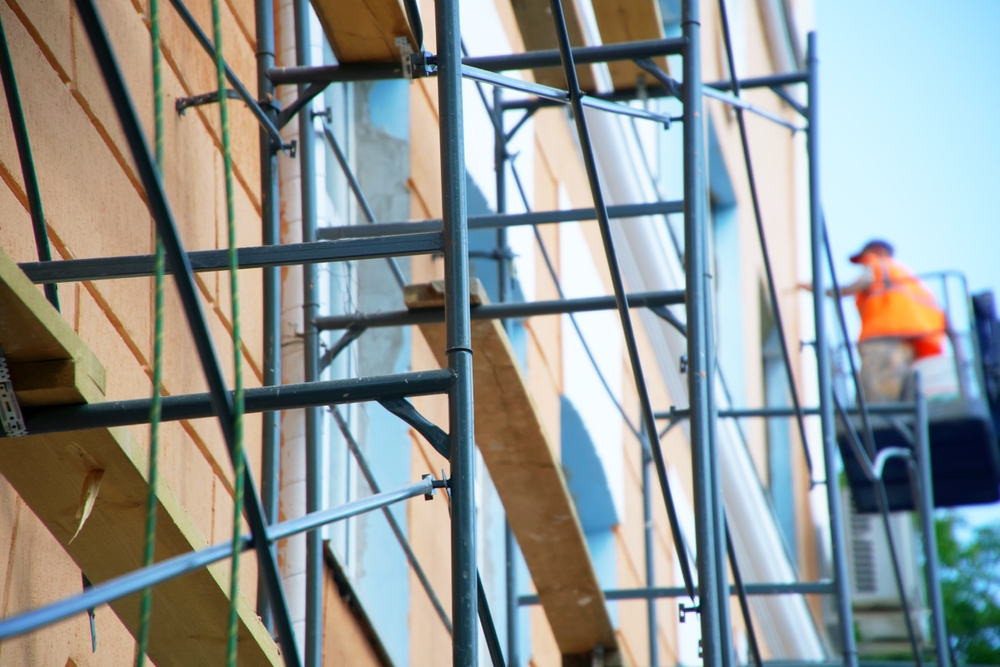
Rule 23 supports Labor Law 241(6) claims by providing the specific regulatory violations that section 241(6) requires. Section 241(6) does not create liability on its own. The section provides a mechanism for enforcing specific safety regulations through civil litigation.
Why is specificity so important?
New York courts have distinguished between Rule 23 provisions that command a particular safety result and provisions that state general safety principles. Only the specific commands support 241(6) liability. General statements like "all reasonable safety precautions shall be taken" do not.
How do lawyers identify which sections apply?
The identification process involves matching the specific facts of the accident to the specific Rule 23 provisions:
- The type of work being performed: Excavation, scaffold work, machinery operation, or another category
- The equipment involved: The specific ladder, scaffold, machine, or system that failed
- The nature of the failure: What safety measure was missing, defective, or ignored
- The parties responsible: Which entities controlled or had authority over the unsafe condition
Complex construction accident cases often involve five or more different Rule 23 sections that get identified during the investigation and refined through discovery.
What Types of Accidents Involve Rule 23 Violations?
Most serious injuries on unsafe work sites in NYC involve at least one Rule 23 violation. Some accident types — ladder falls, scaffold collapses, trench collapses, machine injuries — have particularly strong connections to specific regulations.
Trench collapses and machinery accidents
Trench collapses at unsafe work sites often involve violations of the excavation provisions that require shoring, sloping, or trench boxes for excavations over five feet deep. Machinery accidents commonly involve violations of machine guarding provisions, lockout requirements, or safe operation regulations. When a machine guard is missing or bypassed, Rule 23 provides a specific hook.
Scaffold falls and ladder falls
Scaffold falls involve violations of the scaffolding provisions requiring guardrails, adequate planking, load capacity limits, and secure tie-ins. Ladder falls involve the ladder provisions requiring proper placement, securing, and construction. Section 240 usually applies to these cases as well.
Falling objects, chemical burns, and electrical injuries
Falling object accidents involve provisions requiring toe boards, secure material storage, overhead protection, and safe hoisting. Chemical burns and respiratory injuries involve PPE regulations and hazardous substance provisions. Electrical accidents involve lockout regulations and specific electrical safety provisions. The Occupational Safety and Health Administration also provides federal safety standards that intersect with Rule 23.
How Do NY Construction Safety Rules Protect Workers?
New York construction safety rules protect workers through several layers: federal OSHA regulations, the New York Labor Law, and the Industrial Code including Rule 23. Each layer plays a different role.
The three layers of protection
- OSHA sets federal standards: OSHA administers federal workplace safety regulations that apply to construction sites nationally. OSHA inspections and citations create records that become evidence in state court lawsuits.
- New York Labor Law creates civil liability: The New York Labor Law sections 240, 241(6), and 200 create civil liability that injured workers can pursue in state court.
- Rule 23 provides the specific standards: Rule 23 translates general safety principles into detailed commands that owners and contractors must follow.
Why the combined framework matters
The layered framework matters because different accident types trigger different combinations of laws and regulations. A fall from a scaffold may involve section 240, section 241(6) with a specific Rule 23 provision, section 200, OSHA violations, and product liability against the scaffold manufacturer.
What Should Injured Workers Do About Rule 23 Issues?
Injured workers do not need to identify specific Rule 23 violations on their own. That work belongs to the attorney handling the case. What injured workers do need to do is preserve the evidence that makes identification possible.
Immediate steps after an accident
- Document the scene: Photos of the accident scene, the equipment involved, the safety devices in place or missing, and the surrounding work area
- Report the accident the same day: An incident report creates the official record that the accident happened on the site
- Preserve physical evidence: Ask supervisors to preserve items in their post-accident condition
- Obtain prompt medical evaluation: Some injuries do not show full symptoms for hours or days
- Consult an attorney early: Rule 23 analysis is specific work that requires attorney involvement
Early action protects the evidence that makes the case possible. Sites get repaired within days. Equipment gets returned to rental yards. Surveillance footage gets overwritten on automatic cycles. What is not preserved in the first week often cannot be recovered later.
Frequently Asked Questions About New York Industrial Code Rule 23
What is the difference between Labor Law 241(6) and Rule 23?
Labor Law 241(6) is the state statute that creates civil liability for injured construction workers. Rule 23 provides the specific safety standards that section 241(6) enforces. The worker sues under section 241(6). The specific violation is a Rule 23 provision. The two work together rather than as alternatives.
Do all Rule 23 sections support a Labor Law 241(6) claim?
No. New York courts have ruled that only Rule 23 provisions specific enough to command a particular safety result support 241(6) liability. General statements about reasonable safety do not qualify. Whether a particular section is specific enough is a legal question that gets resolved through motion practice in individual cases.
Can I still recover if I violated a Rule 23 provision myself?
Yes. Section 241(6) allows comparative fault as a defense. Your recovery gets reduced by your percentage of fault but not eliminated. Even significant worker fault does not bar the claim entirely. This is different from Labor Law 240, which does not allow comparative fault in most circumstances.
How do I know if Rule 23 applies to my accident?
You typically will not know without help. Rule 23 covers hundreds of provisions across many types of construction work. Whether any specific provision applies to your accident depends on the facts of the work being done, the equipment involved, and the specific failure that caused the injury.
Are Rule 23 violations only enforced through Labor Law 241(6)?
No. Rule 23 violations can also be enforced by the New York State Department of Labor through inspections and administrative penalties. The Department of Labor has enforcement authority independent of any civil lawsuit. But the practical result for injured workers usually comes through the Labor Law 241(6) claim.
What if I was injured before Rule 23 was updated with new provisions?
The version of Rule 23 in effect at the time of the accident governs the case. Amendments after the accident date do not typically apply retroactively. The lawyer evaluates the case based on the regulations that were in effect when the injury occurred.
Where the Specifics of Construction Safety Live
Rule 23 is where the specifics of construction safety live. General principles about safe workplaces have their place, but Rule 23 gives injured workers the detailed regulations that owners and contractors are required to follow.
When those specific regulations get violated and a worker gets hurt, Rule 23 provides the foundation for a Labor Law 241(6) case that can recover full damages beyond workers' compensation.
The specific regulations that apply to any accident depend on the facts of that accident. What does apply to every serious construction accident is the need for prompt investigation, evidence preservation, and identification of the specific Rule 23 provisions that will support the claim.
If you or someone you know has been injured on a NY construction site, the attorneys at Washor Kool Sosa Maiorana & Schwartz, LLP can review the facts and explain what Rule 23 provisions apply. Call (212) 406-1700 for a free case evaluation.