What legal protections do NYC construction workers have after a ladder fall on the job?
When a New York construction worker suffers a ladder fall accident on a construction site, an injury usually triggers strict liability under Labor Law 240. The injured worker may sue the property owner and general contractor for full damages, including pain and suffering, lost wages, and future medical costs beyond what workers' compensation pays.
At a Glance:
- Strict liability covers most ladder falls: Labor Law 240 holds property owners and general contractors responsible when a ladder is unsecured, defective, or unsuitable for the task, even when the worker shares some blame.
- Short falls cause serious injuries: Ladder falls from as little as 6 to 10 feet routinely produce traumatic brain injuries, spinal fractures, and broken hips that change careers permanently.
- Workers' compensation does not cover everything: A third-party lawsuit can recover pain and suffering, full lost wages, and future medical care that workers' compensation does not pay.
- Defective ladders create additional claims: When the ladder itself fails due to a defect, the manufacturer may face a separate product liability claim in addition to the Labor Law case.
- Evidence disappears within days: The ladder gets repaired or replaced, surveillance footage gets overwritten, and witnesses move on. Early investigation preserves what the case needs.
These takeaways apply to most New York ladder-fall cases, but the specific facts of the job, the ladder, and the parties on site determine what each case is actually worth.
A ladder fall accident in New York construction workers' suffer on the job changes life immediately. The hospital visit, the missed paychecks, the calls from the contractor's insurance adjuster, and the pressure to settle quickly all arrive within the first week.
Ladder accident lawyers handle these cases because the legal protections for construction workers are different from ordinary injury cases, the deadlines are real, and the defenses are predictable.
Most ladder falls on NYC construction sites happen for the same reasons: the ladder was placed on uneven ground, was the wrong height for the task, was defective, was not secured at the top, or was missing rubber feet that prevent slipping.
The worker who fell did not choose those conditions. The conditions were set by the parties who supplied the ladder and managed the site.
What Causes a Ladder to Fall Down on a Construction Site in New York?
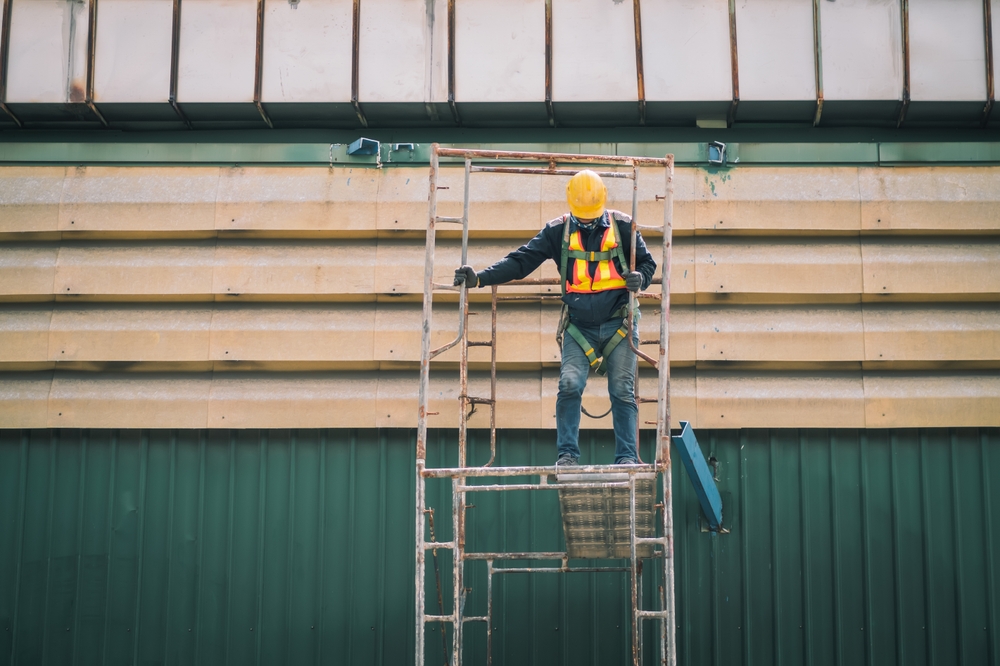
A ladder fall down on a construction site in New York usually traces to one of five causes: improper setup of the ladder, defective equipment, missing fall protection, environmental conditions, or pressure to skip safety steps. Most cases involve more than one factor.
Improper setup and placement
Ladders placed on uneven ground, leaned at the wrong angle, set too close to or too far from the work surface, or used on slippery floors all cause falls that should have been prevented. The standard 4-to-1 ratio for extension ladders (one foot of base distance for every four feet of height) is widely ignored on busy job sites.
Defective or wrong-type ladders
Ladders with broken rungs, missing safety feet, bent rails, or worn rope mechanisms cause falls when workers reasonably assume the equipment is safe. Using interior ladders for outdoor work, using A-frame ladders as extension ladders, or using metal ladders near electrical work also produces predictable accidents.
What if there is missing fall protection?
Some ladder work above a certain height requires additional fall protection, including harnesses and anchor points. When the general contractor or owner fails to provide proper fall arrest equipment for elevated ladder work, the resulting fall typically supports a strong Labor Law 240 claim.
Environmental and site conditions
Wet weather, ice, wind, dust, debris on the floor, and inadequate lighting all contribute to ladder falls. Site management failures that allow these conditions to persist shift legal responsibility to the parties controlling the site.
Pressure to skip safety steps
Workers on tight deadlines often climb ladders while carrying materials, use the top rung as a step, or skip securing the ladder to save time. These pressures come from site management decisions, not from worker carelessness, and the law treats them as site conditions rather than worker fault.
How Does Labor Law 240 Apply to Ladder Fall Accidents?
Labor Law 240, the Scaffold Law, applies to most ladder fall accidents on NYC construction sites. The law imposes strict liability on property owners and general contractors when a ladder fails to provide proper protection from a gravity-related risk.
| Ladder Failure | Labor Law 240 Coverage |
| Ladder slipped or tipped over | Yes, when ladder was not secured or footing was inadequate |
| Defective rung, rail, or rope broke | Yes, plus separate product liability against manufacturer |
| Ladder placed on uneven or slippery surface | Yes, site conditions are part of safety device adequacy |
| Worker fell from extended ladder reach | Yes, when no fall arrest system was provided |
| Ladder was wrong type for the task | Yes, providing inadequate equipment violates the law |
Why is the ladder considered a safety device?
Labor Law 240 lists ladders specifically as one of the safety devices owners and contractors must provide. When the ladder itself is the safety device and it fails, the law treats the failure the same as any other inadequate protection from a gravity hazard. The injured worker does not have to prove the defendants were negligent.
What if the worker climbed the ladder incorrectly?
Worker conduct generally does not reduce recovery under Labor Law 240. The only narrow exception is when the worker was the sole proximate cause of the injury, which courts have applied rarely in ladder cases. Most ladder fall cases produce full recovery even when the worker contributed to the accident in some way.
Are some ladder falls excluded from Labor Law 240?
Falls during routine maintenance work, work that does not involve elevation, or work in one- and two-family homes where the owner did not direct the work may fall outside Labor Law 240. These cases may still produce recovery under other legal theories including general negligence and product liability.
Who Is Liable in a Ladder Fall Lawsuit in New York?
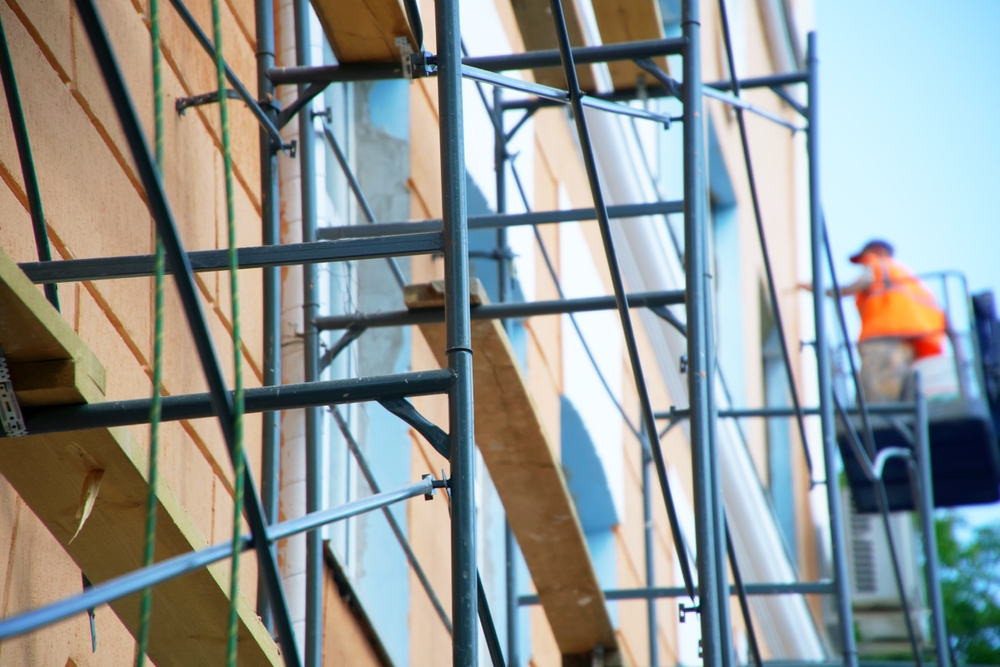
Liability in a ladder fall lawsuit in New York can fall on the property owner, the general contractor, subcontractors, the ladder manufacturer, and equipment rental companies. The law's non-delegable duty rule means owners and general contractors cannot pass safety responsibility to others.
Property owners and general contractors
Owners and general contractors face strict liability under Labor Law 240 for most ladder fall accidents. The liability extends regardless of whether they directly supplied the ladder or directly supervised the work. Their duty to provide a safe work site cannot be contracted away.
Subcontractors and other site parties
Subcontractors that supplied a defective ladder, failed to maintain shared ladders, or created the unsafe conditions that led to the fall can face separate negligence claims. These claims often produce additional insurance coverage available to the injured worker.
Ladder manufacturers and rental companies
When the ladder itself was defective, the manufacturer can face a product liability claim alongside the Labor Law case. Rental companies that failed to inspect, maintain, or replace damaged ladders can also face claims. Product liability claims often add substantial coverage in serious injury cases.
How Does a Ladder Accident Lawyer in NYC Build the Case?
A ladder accident lawyer in NYC builds these cases through immediate investigation, comprehensive damages preparation, and strategic positioning for either settlement or trial. The work starts the day the client calls and continues through verdict or settlement.
What does early investigation involve?
Early investigation focuses on physical evidence that disappears fast: photos of the ladder and the scene, witness statements while memories are fresh, the OSHA report if one was filed, the site safety plan, daily logs, surveillance footage from the job site or surrounding businesses, and the ladder itself when it can be preserved.
How are damages prepared?
Damage preparation includes medical record review, interviews with treating physicians, life care planning for permanent injuries, vocational analysis of lost earning capacity, and economic projections for lifetime losses. The work lays the foundation for either settlement negotiations or jury testimony.
When does the case go to trial?
Most ladder fall cases settle at some point during discovery or after key motions are decided. Cases with strong Labor Law 240 facts and serious injuries can produce substantial settlements when the case is built for trial from day one. Defense lawyers price cases differently when the plaintiff side has genuinely prepared for verdict.
What Compensation Is Available in a Ladder Fall Case?
A successful ladder fall case can recover three categories of damages: workers' compensation benefits, third-party Labor Law lawsuit damages, and product liability damages when defective equipment was involved. The totals depend on the severity of the injury and the available insurance.
Workers' compensation benefits
Workers' compensation pays medical bills and a portion of lost wages regardless of fault. The benefits do not cover pain and suffering or full lost earnings. According to the New York State Workers' Compensation Board, wage replacement is capped at two-thirds of the worker's average weekly wage, subject to maximum benefit schedules.
Third-party Labor Law lawsuit damages
The Labor Law lawsuit against the property owner and general contractor can recover the full range of damages including past and future medical expenses, full lost wages, lost earning capacity, pain and suffering, and loss of enjoyment of life. For serious ladder fall injuries, the third-party recovery typically exceeds workers' compensation benefits by a wide margin.
Product liability damages
When the ladder failed because of a defect, the manufacturer can be liable for the full range of damages alongside the property owner and general contractor. Product liability claims often add significant coverage in catastrophic injury cases.
Frequently Asked Questions About Ladder Fall Accidents on NYC Construction Sites
How long do I have to file a ladder fall lawsuit in New York?
Most New York ladder fall lawsuits must be filed within three years of the accident. Claims against NYC, NYCHA, the MTA, or other government entities require a Notice of Claim within 90 days and a lawsuit within one year and 90 days. Missing these deadlines typically ends the case, which is why early legal consultation matters.
What if the ladder belonged to my employer?
Ownership of the ladder does not affect the Labor Law 240 claim against the property owner and general contractor. Even when the employer supplied the ladder, the third-party lawsuit proceeds against the non-employer parties responsible for the work site. The employer remains protected from the lawsuit through workers' compensation, but the property owner and general contractor face full Labor Law liability.
Can I file a claim if I fell from a ladder while working on a one- or two-family home?
It depends on who directed the work. Owners of one- and two-family residential homes have a limited exception under Labor Law 240 when they did not direct or control the work. If a general contractor or homeowner directed the specific work that led to the fall, the exception may not apply, and a Labor Law 240 claim may proceed. The facts of who controlled the work are decisive.
Act Now to Safeguard Your Future
A ladder fall is rarely the worker's fault. The ladder was selected, supplied, placed, and maintained by other parties. The conditions at the base of the ladder were created or allowed by the parties managing the site.
When the protection fails, New York law shifts responsibility onto the parties with the power to prevent the accident.
What would full recovery look like in the specific circumstances of your ladder fall? The answer depends on the type of ladder, the work being performed, the safety equipment that was or was not provided, and the nature of the injuries.
If you or someone you know has been injured in a ladder fall on a NY construction site, the attorneys at Washor Kool Sosa Maiorana & Schwartz, LLP can review the facts and explain what protections apply.
Call (212) 406-1700 for a free case evaluation.