What are your rights after a crane, hoist, or rigging accident on a New York construction site?
A crane, hoist, or rigging accident in New York may support a Labor Law 241(6) claim when a specific and applicable Rule 23 rigging provision was violated, and a Labor Law 240(1) claim when the accident involved a qualifying elevation-related hazard.
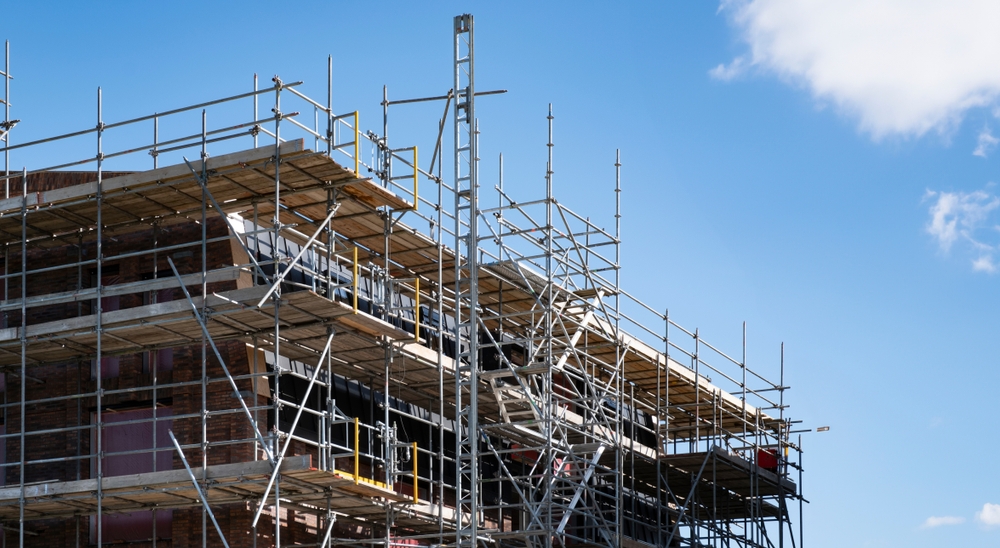
The Scaffold Law gets most of the attention in construction injury cases, and for good reason. But crane, hoist, and rigging accidents often involve a second layer of regulation that gets less notice: the detailed rigging and material-handling provisions of Industrial Code Rule 23.
These provisions govern how loads are lifted, secured, and moved, and they support Labor Law 241(6) claims when they are violated.
In our experience handling lifting-equipment cases across NYC, the accidents that reach our office often involve a rigging failure that a specific regulation was designed to prevent: an overloaded sling, an uninspected cable, a load that was never properly secured, or a hoist operated beyond its rated capacity.
Schedule a Free Case Evaluation
What Sets Lifting-Equipment Cases Apart
- Two regulatory layers may apply: Labor Law 240(1) covers qualifying elevation-related hazards, while Rule 23 rigging provisions support Labor Law 241(6) claims.
- Rigging is a specialized discipline: Load calculations, sling angles, and equipment inspection all follow technical standards that leave a clear record when violated.
- Multiple parties are usually involved: Crane owners, operators, rigging contractors, and equipment manufacturers may each bear responsibility.
What Are the Rule 23 Rigging Provisions?
Industrial Code Rule 23 contains detailed provisions governing cranes, hoists, rigging, and material handling on construction sites. These provisions go beyond the Scaffold Law's general fall-protection focus and address the specific mechanics of lifting operations.
What Do the Rigging Rules Cover?
The Rule 23 provisions governing lifting operations address several technical areas:
- Rope, chain, and sling requirements: Standards for the strength, condition, and inspection of lifting slings and cables
- Load limits: Requirements that equipment not be loaded beyond its rated capacity
- Hoisting equipment: Standards for the operation and maintenance of material hoists and powered hoisting equipment
- Crane operation: Requirements governing the operation and positioning of cranes
- Inspection requirements: Standards for examining rigging equipment for wear, damage, and defects
The New York State Industrial Code, Rule 23, sets out the full text of these provisions.
What Types of Crane, Hoist, and Rigging Accidents Happen?
Lifting-equipment accidents on NYC sites fall into several recurring categories. Each type has its own investigation focus and its own connection to specific regulations.
Falling Load Accidents
Loads fall when slings fail, when rigging is improperly attached, when loads are not balanced, or when equipment is overloaded. A falling load can strike workers below with catastrophic force. These accidents often support both Labor Law 240(1) and 241(6) claims.
Crane Tip-Overs and Collapses
Cranes tip over when they are overloaded, positioned on unstable ground, operated beyond their radius limits, or affected by wind. A crane rigging accident in New York involving a tip-over can injure the operator, ground workers, and bystanders, and can produce some of the most severe multi-victim construction accidents.
Hoist Failures
A hoist failure construction injury in NYC can occur when a material or personnel hoist fails mechanically, drops a load, or malfunctions during operation. Material hoists that carry construction materials between floors produce serious injuries when their braking or cable systems fail.
Rigging Contact and Struck-by Accidents
Workers guiding loads, attaching rigging, or working near lifting operations can be caught between the load and a fixed object, struck by swinging loads, or hit by crane components. Positioning workers within the swing radius or the load path without adequate protection produces these accidents.
How Does New York Law Apply to Lifting-Equipment Accidents?
Crane, hoist, and rigging accidents on New York sites may support Labor Law claims against property owners and general contractors, product liability claims against equipment manufacturers, and workers' compensation claims against the direct employer. The applicable framework depends on the cause of the accident and the parties involved.
Labor Law 240(1) and Falling Loads
Section 240 may apply when a worker is struck by a load that was being hoisted or secured, or that required securing for the work, and an appropriate safety device was absent or inadequate. A falling object alone is not enough. The load generally must have been one that required securing because of the elevation-related risk, and the injury must result from an inadequate or missing statutory safety device.
Labor Law 241(6) and the Rigging Provisions
Section 241(6) requires a sufficiently specific Industrial Code violation. Certain Rule 23 rigging provisions may support a claim when they apply to the specific equipment and hazard. The worker must show that the cited provision was sufficiently specific, applied to the operation, was violated, and contributed to the injury. Not every provision is specific enough to support Section 241(6) liability.
Labor Law 200 Standards
Section 200 claims follow different standards depending on the cause of the accident. When the injury arises from the means and methods of the lifting operation, the plaintiff generally must prove that the defendant supervised or controlled the injury-producing work. When the accident arises from a dangerous premises condition, the plaintiff generally must prove that the defendant created the condition or had actual or constructive notice of it.
Who Is Liable in a Crane, Hoist, or Rigging Accident?
Liability in a lifting-equipment accident may run against several parties. A material hoist accident lawyer in NY typically investigates multiple defendants under different legal theories.
Property Owners and General Contractors
Owners and general contractors may face Labor Law 240(1) and 241(6) liability when the accident involves a qualifying elevation hazard or a specific rigging violation. Sections 240 and 241(6) impose nondelegable duties. Certain owners of one- and two-family homes are exempt from Sections 240 and 241 when they do not direct or control the work, though they may still face Section 200 or ordinary negligence liability.
Crane Owners, Operators, and Rigging Contractors
The crane owner, the operator's employer, and the rigging contractor may each face liability depending on their role. A rigging contractor that is not the injured worker's employer may face negligence claims, and may qualify as a statutory agent under the Labor Law when it had authority to supervise or control the lifting operation. Workers' compensation is generally the exclusive remedy against the worker's direct employer.
Equipment Manufacturers
When a defective crane, hoist, sling, or other rigging component contributed to the accident, the manufacturer or another company in the product's distribution chain may face a product liability claim. The worker must still prove a legally recognized defect and causation.
What Compensation Is Available After a Lifting-Equipment Accident?
A crane and rigging accident lawyer pursues compensation in three categories: workers' compensation benefits, third-party Labor Law lawsuit damages, and product liability damages when defective equipment contributed to the accident. The available recovery depends on the severity of the injury and the parties responsible.
Workers' Compensation Benefits
Workers' compensation pays medical bills and a portion of lost wages regardless of fault. According to the New York State Workers' Compensation Board, benefits are calculated as two-thirds of the worker's average weekly wage multiplied by the percentage of disability, subject to minimum and maximum limits. The system does not pay for pain and suffering or full lost earnings.
Third-Party Labor Law and Product Liability Damages
A third-party Labor Law lawsuit against a property owner, general contractor, statutory agent, or other non-employer party may allow the worker to seek past and future medical expenses, lost earnings, diminished earning capacity, pain and suffering, and loss of enjoyment of life.
A separate product liability claim may be available when defective equipment contributed to the accident. If the accident kills a worker, eligible family members or the estate may have wrongful death and survival claims.
Frequently Asked Questions About Crane and Rigging Accidents in New York
How long do I have to file a crane or rigging accident lawsuit in New York?
Most New York lifting-equipment accident lawsuits must be filed within three years. Claims against New York City, NYCHA, the MTA, and many other public entities may require a Notice of Claim within 90 days. Port Authority claims follow different rules, including a one-year filing deadline and notice at least 60 days before the lawsuit begins.
What if I was guiding the load when it fell on me?
Guiding a load does not bar your claim. Under Labor Law 240(1), comparative negligence is not a defense when a qualifying violation proximately caused the injury. Under Labor Law 241(6), comparative fault reduces but does not eliminate recovery. The central questions are whether the load required securing and whether an adequate safety device was in place.
Can I file a claim if I am undocumented or was paid in cash?
Undocumented workers can generally pursue New York workplace injury claims. Immigration status alone does not automatically bar compensation, although work authorization, wage records, and whether false documents were used can affect a lost-earnings claim. Cash payment does not bar the claim but may complicate the proof of lost earnings.
What evidence matters most in a rigging accident case?
Load charts, rigging inspection logs, the slings and hardware involved, maintenance records, crane setup documentation, and the equipment itself are all critical. Because this evidence is technical and can be altered or removed quickly, early preservation through an attorney matters. Photographs and witness accounts also help establish what failed.
When the Lift Goes Wrong
Crane, hoist, and rigging work depends on load calculations, equipment inspection, and technique that follow established standards. When those standards are violated and a worker is hurt, both the Scaffold Law and the detailed rigging provisions of Rule 23 may provide claims against the parties responsible for the lifting operation.
Which specific Rule 23 provisions apply to any given accident depends on the facts, and not every provision supports a Section 241(6) claim. Whether Labor Law 240 also applies depends on the elevation-related aspects of the accident.
If you or someone you know was injured in a crane, hoist, or rigging accident on a NY construction site, the attorneys at Washor Kool Sosa Maiorana & Schwartz, LLP can review the facts and explain what protections apply.
Call (212) 406-1700 for a free case evaluation.