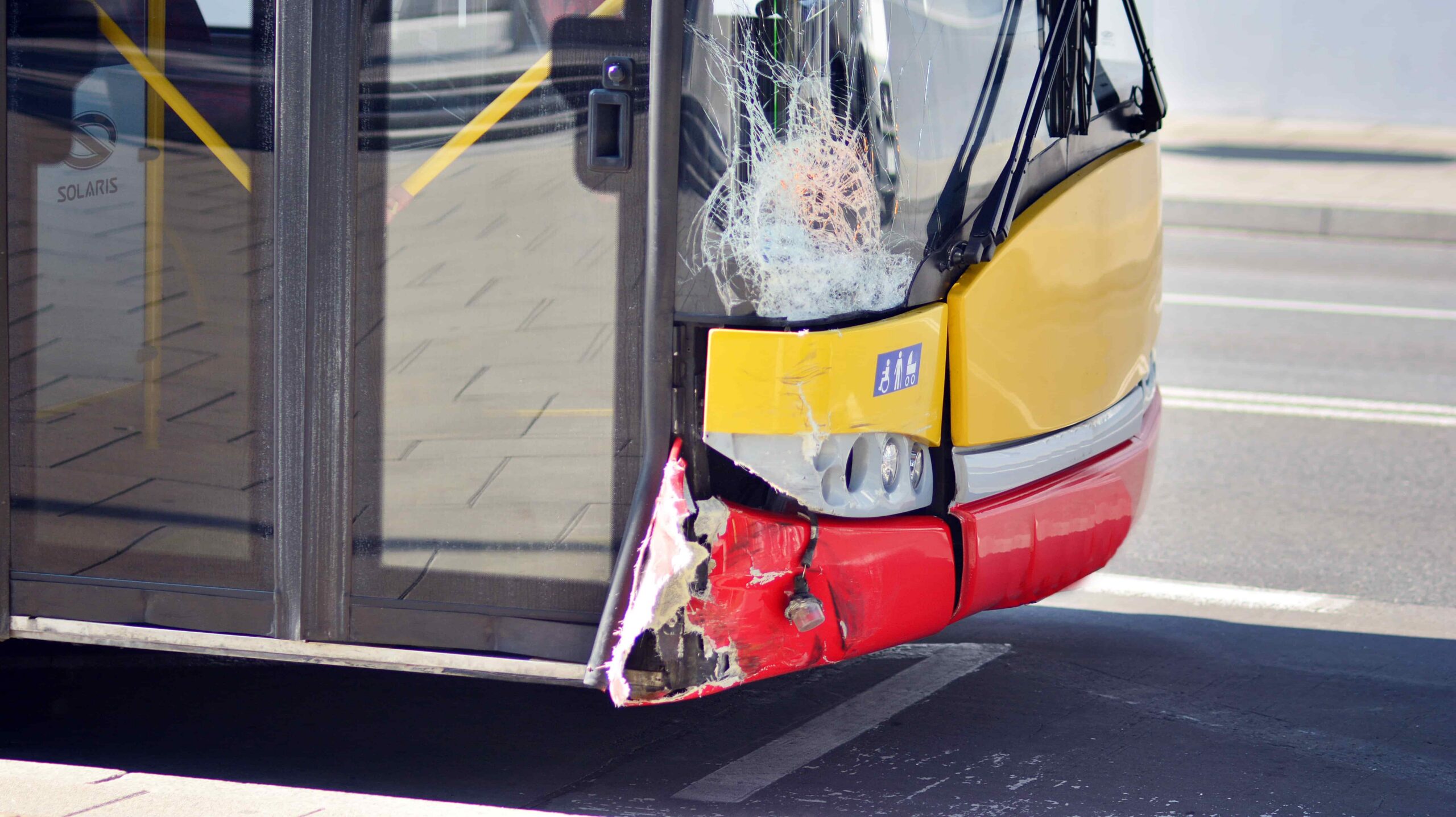
The rules for pursuing a claim after a bus accident in New York depend almost entirely on one question: who operated the bus. A collision involving an MTA vehicle or tour bus crash lawsuit in New York, triggers a procedural framework that bears almost no resemblance to the process that applies after a crash involving a private charter bus or tour operator.
The deadlines, defendants, regulatory standards, and insurance structures are different. Treating these cases as variations of the same situation produces avoidable and sometimes irreversible mistakes.
New York City's streets carry an enormous variety of bus operators every day. MTA city buses, express buses, private charter coaches, tour buses, commuter lines, school buses contracted to private carriers, and intercity operators all move through the same intersections and share the same accident risks.
Identifying the operator immediately when a private bus company negligently acts or responds is not just a preliminary step. It is the step that determines every procedural decision that follows. f you or a loved one were injured in a bus accident, contact a skilled New York bus accident lawyer today to protect your rights and ensure timely action.
Schedule a Free Case Evaluation
The Bottom Line:
- MTA bus accidents require a formal notice of claim filed within 90 days of the incident and a lawsuit filed within one year and 90 days. Private bus companies carry no notice of claim requirement and allow three years to file suit.
- Federal Motor Carrier Safety Administration regulations govern private interstate charter and tour bus operators, and violations of those regulations can serve as direct evidence of negligence in personal injury litigation.
- The type of bus involved affects not only the deadline but also who the defendants are, what insurance is available, and what records can be obtained to build the case.
Why the Type of Bus Operator Changes Everything
The legal distinction between a public transit authority and a private bus carrier is not a technicality. It reflects two fundamentally different regulatory environments, two different liability frameworks, and two different sets of procedural obligations for injured people.
Public vs. Private: The Core Distinction
- Public authority buses:
- The MTA and its subsidiaries, including New York City Transit and MTA Bus Company, operate as public authorities under New York State law.
- Claims against public authorities are governed by the notice of claim requirements of General Municipal Law Section 50-e, available through the New York State Legislature.
- The 90-day filing deadline, the one-year and 90-day lawsuit window, and the 50-hour examination process all apply exclusively to public authority defendants.
- Private bus operators:
- Charter buses, tour operators, commuter lines, and privately contracted school bus services are private entities. The standard three-year personal injury statute of limitations applies.
- No notice of claim is required. The case proceeds through the standard civil litigation framework without the procedural prerequisites that govern MTA claims.
The consequences of misidentifying the bus operator after an accident range from missing a critical deadline to naming the wrong defendants entirely. Both outcomes can permanently compromise an otherwise valid charter bus injury claim.
MTA Bus Accidents: The Procedural Framework That Has No Private Equivalent
For anyone injured on or by an MTA city bus, the procedural requirements are strict, sequential, and unforgiving. The notice of claim filed within 90 days of the accident is a prerequisite to any lawsuit, not a suggestion.
Courts have dismissed cases with serious injuries and clear liability solely because the notice was filed on day 91.
What the MTA Framework Requires
- Notice of claim within 90 days: The formal written document served on the MTA's Office of the General Counsel describing the accident date and location, how it happened, the nature of the injuries, and the damages claimed. The clock starts the day of the accident.
- 50-h examination before suit: After the notice is filed, the MTA may schedule a hearing at which the injured person testifies under oath about the accident and injuries. Attendance is required. The testimony becomes part of the record the MTA uses to build its defense.
- Lawsuit filed within one year and 90 days: The actual lawsuit must be filed within this window, which runs from the accident date. No lawsuit can be filed without the prior notice of claim.
- Government immunity defenses: As a public authority, the MTA may raise immunity defenses that private companies cannot, including arguments about discretionary governmental functions and the standards applied to public transit operations.
Missing the 90-day notice deadline does not leave the injured person with a reduced claim. It leaves them with no claim at all in most circumstances.
Private Charter and Tour Bus Accidents: A Different Process With Different Leverage
A collision involving a privately operated charter bus, tour coach, or commuter line removes the entire notice of claim framework and replaces it with a standard personal injury process. That shift has real advantages, along with its own set of complexities.
What Private Bus Accident Claims Involve
- Three-year statute of limitations: Injured people have three years from the date of the accident to file a lawsuit against a private bus operator under CPLR Section 214. That window allows time for thorough investigation, medical documentation, and case development without the existential pressure of the 90-day clock.
- No preliminary sworn examination: Private defendants have no right to conduct a 50-h examination before suit is filed. The first formal opportunity for testimony generally occurs during discovery after the lawsuit is underway.
- Commercial insurance requirements: Private interstate charter and tour bus operators are required by federal regulation to carry substantial commercial liability coverage. Carriers with vehicles seating more than 15 passengers operating across state lines must maintain minimum liability coverage of $5 million under Federal Motor Carrier Safety Administration rules. That coverage creates a meaningful pool of available insurance in serious injury cases.
- Faster settlement dynamics: Private bus companies, particularly smaller operators and regional carriers, often have stronger incentives to resolve serious claims without extended litigation.
Reputational risk, litigation costs, and insurance premium exposure all factor into how private defendants approach settlement discussions in ways that do not apply to the MTA.
FMCSA Regulations and Why They Matter in Charter Bus Accident Cases
Private interstate charter and tour bus operators fall under the regulatory authority of the Federal Motor Carrier Safety Administration, which sets standards for driver qualifications, vehicle maintenance, hours of service, and safety management practices.
Those regulations create an independent basis for negligence claims when violations contributed to an accident.
How Federal Regulations Support a Private Bus Negligence Claim
- Driver qualification files: FMCSA regulations require carriers to maintain detailed records of each driver's licensing history, medical certifications, training, and prior violations. A driver whose qualification file reveals disqualifying history that the carrier ignored is evidence of negligent hiring.
- Hours of service logs: Federal rules limit how many hours a commercial driver may operate without rest. Electronic logging device records showing a driver was beyond permitted service hours at the time of a crash are direct evidence of a regulatory violation and the negligence it implies.
- Vehicle maintenance records: FMCSA requires systematic inspection, repair, and maintenance documentation for commercial vehicles. A bus with a mechanical failure that maintenance records show was previously identified but not repaired connects the company's conduct directly to the cause of the accident.
- Safety fitness ratings: The FMCSA assigns safety fitness ratings to commercial carriers based on inspection history and compliance data. A carrier operating with a conditional or unsatisfactory safety rating despite known deficiencies provides context for arguing that the company's approach to safety was systemically deficient.
School Buses: A Third Framework That Combines Elements of Both
School bus accident claims occupy a middle ground that often surprises injured families. Whether the notice of claim requirement applies depends on who operated the bus, not simply the fact that children were aboard.
How School Bus Ownership Affects the Claim
- District-operated buses: When a public school district owns and operates the bus with district employees as drivers, the claim involves a municipal entity. Notice of claim requirements apply, and the 90-day window runs from the accident date.
- Privately contracted school transportation: Many New York school districts contract with private companies to provide transportation services. A bus operated by a private contractor under a school district contract is a private entity for purposes of the notice of claim analysis, and the standard three-year limitations period applies to claims against the contractor.
- Identifying the correct defendant: In contracted arrangements, both the district and the private operator may bear responsibility depending on the circumstances of the accident, the terms of the contract, and how closely the district supervised the transportation service. Building the right case requires identifying all responsible parties before any deadline passes.
A family that assumes a school bus accident automatically involves a municipal defendant and waits three years to act may find they were actually dealing with a private contractor all along, making the delay a strategic choice they did not intend to make.
The reverse is equally dangerous: assuming a school bus was privately operated when it was district-owned and missing the 90-day notice of claim deadline.
Frequently Asked Questions About Charter and MTA Bus Accident Claims in New York
What if the bus that hit me had no markings and I could not identify the operator?
A bus operating in New York without required identifying markings may itself be a regulatory violation. License plate records, traffic camera footage, accident reports, and witness accounts can help establish the operator's identity.
The investigation required to uncover that information is best initiated immediately, before footage is overwritten and records become harder to obtain.
Does the 90-day rule apply if I was a passenger on an MTA bus that was hit by a private vehicle?
Claims against the MTA still require the notice of claim even if a third-party driver caused the crash. If the third-party driver also bears liability, that claim follows the standard three-year personal injury timeline.
Managing two separate procedural frameworks simultaneously, each with different deadlines and different defendants, is one of the more common complications in multi-vehicle bus accident cases.
Can I sue a tour bus company based outside New York if the accident happened here?
New York courts have jurisdiction over personal injury claims arising from accidents that occurred within the state, regardless of where the company is incorporated or headquartered. An out-of-state charter operator that sends buses into New York is subject to New York's courts for injuries those buses cause here. Federal jurisdiction may also apply when interstate commerce is involved.
What if the charter bus company has gone out of business since my accident?
The company's closure does not automatically extinguish the claim. Insurance policies that were in effect at the time of the accident may still be accessible.
Successor companies, parent corporations, and the individual owners of small operators may bear liability depending on the corporate structure. These situations require prompt legal investigation before assets are further dissipated and insurance coverage becomes harder to trace.
Are commuter buses that run between New York City and suburban areas treated like MTA buses or private carriers?
Most commuter bus lines operating in the New York metropolitan area are private carriers, not public authorities, even when they operate under contracts or franchises with government entities.
The notice of claim requirement generally does not apply to private commuter operators. Confirming the operator's status and ownership structure is the first step in any commuter bus accident case.
The Bus Operator Determines the Rules. Knowing Which Rules Apply Determines the Outcome.

If you or someone close to you was hurt in a bus accident in New York City, do you know with certainty who operated that vehicle and what rules apply to your claim? Washor Kool Sosa Maiorana & Schwartz, LLP works with people injured in bus accidents across New York City and the surrounding region.
A consultation is free and starts with a straightforward answer to the most important question in any bus accident case: which clock is already running.