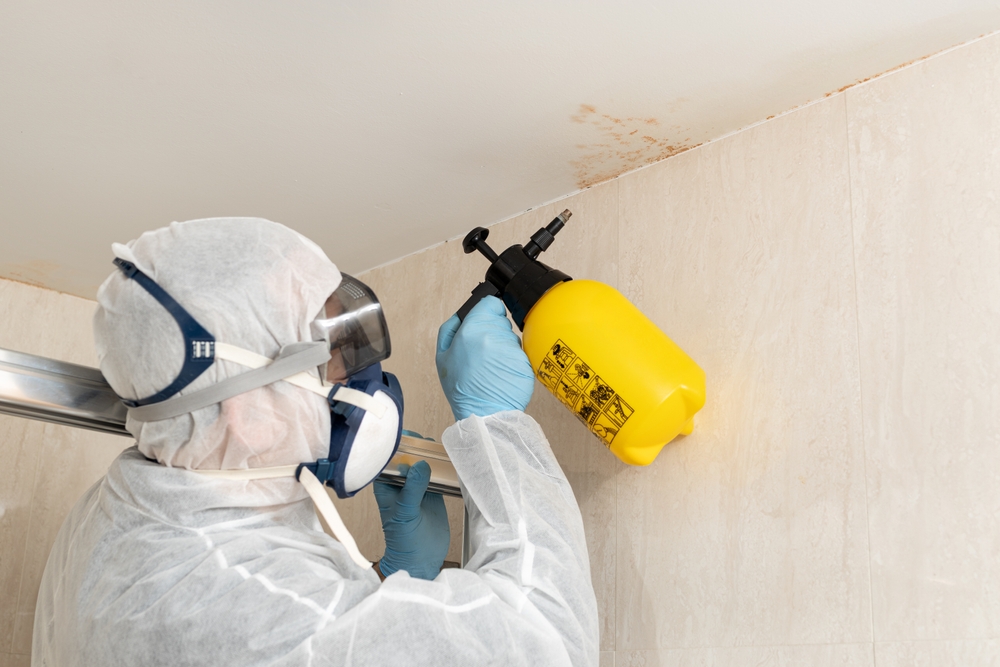
You pay rent every month expecting the building to be safe, and then a stair gives way, a railing you leaned on comes loose, or a piece of ceiling comes down in the hallway. Now you are hurt, and your landlord is telling you it was an accident, or worse, saying nothing at all. Whether your landlord actually owes you compensation for an apartment building injury in New York depends on a specific legal duty, and on what the landlord knew and when.
When is a New York City landlord at fault for an injury in your apartment building?
A New York City landlord is liable for an apartment building injury when the landlord owed a legal duty to maintain the building, knew or should have known about the dangerous condition, and failed to fix it within a reasonable time. New York's Multiple Dwelling Law requires every apartment building with three or more units to be kept in good repair, which covers stairways, hallways, lighting, railings, and ceilings alike.
Key takeaways
- New York law requires every multiple dwelling to be kept in good repair, a duty that extends to hallways, stairwells, and other common areas, not just your own unit.
- Your landlord is not automatically liable for every defect. You generally have to show the landlord created the hazard, actually knew about it, or should have known about it because it was visible long enough to be fixed.
- Certain hazards, including lead paint in older buildings, carry their own separate legal duties that go further than ordinary repair obligations.
Can I Sue My Landlord for an Injury in My NYC Apartment Building?

Yes, when the injury was caused by a dangerous condition the landlord had a duty to fix and failed to. New York's Multiple Dwelling Law requires every building with three or more residential units to be kept in good repair, and New York's highest court has confirmed that duty covers the entire building, not just the areas the landlord directly controls. This expanded what a landlord owed tenants well beyond old common-law rules that limited liability to areas like hallways and stairwells.
For the duty to translate into a successful claim, three things generally have to be true:
- The landlord owed a duty to maintain the specific area or condition that caused the injury
- The landlord created the hazard, or had actual or constructive notice of it, meaning it was visible and existed long enough that a reasonable inspection should have caught it
- The landlord failed to fix the condition within a reasonable time after notice
New York courts have been clear that the good-repair duty does not by itself create automatic liability. A landlord still is not responsible for a dangerous condition it had no actual or constructive notice of, which is why documenting how long a hazard existed matters as much as documenting the hazard itself.
What Building Conditions Create Landlord Liability in NYC?
The specific hazard determines which legal duty applies, and some conditions carry heavier requirements than ordinary wear and tear. The most common apartment building injuries our attorneys see fall into a handful of categories.
- Broken or defective stairs. Loose treads, uneven risers, and missing nosing on interior stairways are common causes of serious falls, and building codes set specific requirements for stair dimensions and condition.
- Missing or defective railings. Handrails and guard railings are required on interior stairways and any elevated area where a fall is possible, and a railing that gives way under normal use is strong evidence of a maintenance failure.
- Inadequate lighting. New York law specifically requires hallways, stairways, and other common areas of a multiple dwelling to be lit from sunset to sunrise, because poor lighting is a direct contributor to trip and fall accidents.
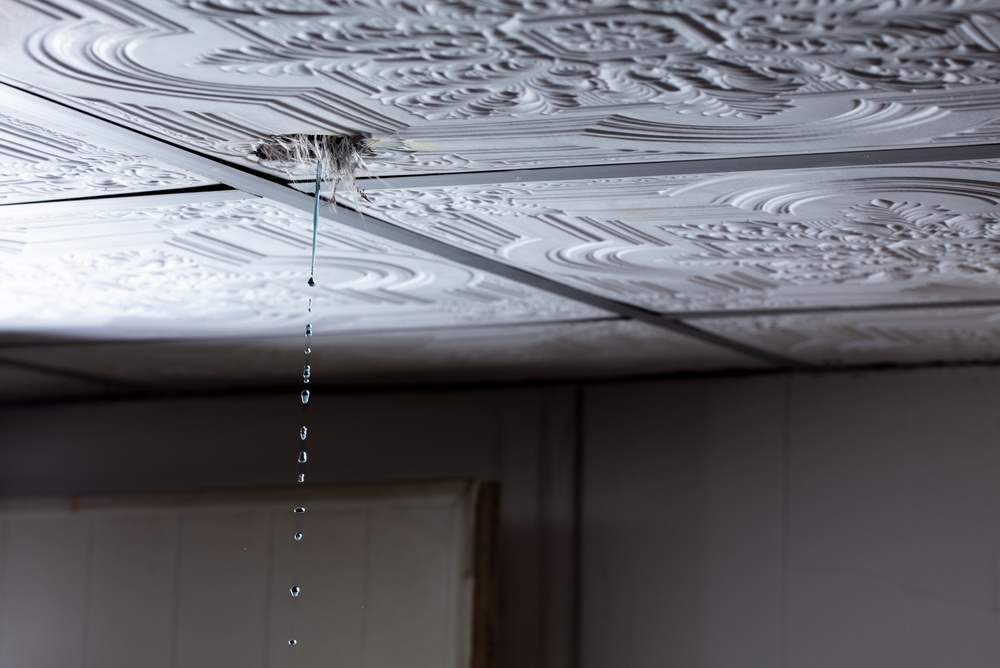
- Falling ceilings and crumbling plaster. Water infiltration, deferred maintenance, and structural neglect can cause ceiling material to collapse, sometimes with little or no warning.
- Elevator and door hazards. Malfunctioning elevator doors, broken self-closing mechanisms, and defective locks all fall within a landlord's repair obligations.
- Lead paint exposure. Buildings built before 1960 carry additional legal duties for lead paint exposure in older buildings, which go beyond the ordinary good-repair standard.
Why "Good Repair" Does Not Mean Perfect
The good-repair standard is not a guarantee against every defect that ever appears. It requires landlords to act within a reasonable time once a hazard exists or becomes known. A stair tread that cracks the same afternoon you fall on it is a different case than one that has been visibly split for months while maintenance requests went unanswered. The timeline between when a problem appeared and when you were hurt is often the single most important fact in the case.
How Do I Prove My Landlord Knew About the Dangerous Condition?
You prove it the same way courts require in any premises case: through evidence that the landlord created the condition, actually knew about it, or should have known about it because it was visible and apparent for long enough that a reasonable inspection would have caught it. This is called notice, and it is usually the issue that decides an apartment injury case.
Evidence that helps establish notice includes:
- Prior complaints, whether written, emailed, or through a tenant portal, about the same condition.
- Open violations on file with the NYC Department of Housing Preservation and Development for the same or a related condition.
- Photographs showing wear, rust, or deterioration consistent with a long-standing problem rather than a sudden defect.
- Statements from neighbors or building staff who noticed the condition before you were hurt.
- The building's own maintenance and inspection records, or the lack of them.
A pattern of HPD violations for related conditions, water damage, structural issues, code violations, is particularly powerful evidence, because it shows the landlord was on notice of problems in the building even if not that exact spot.
Maintenance logs get updated and hazards get repaired the moment a claim looks likely. Call (212) 406-1700 for a free case review, 24 hours a day, 7 days a week, or request a free case review online and a member of our team will reach out to you.
What If I Live in a Rent-Stabilized or NYCHA Building?
The good-repair duty under the Multiple Dwelling Law applies regardless of whether your apartment is market rate, rent-stabilized, or public housing. What changes is the deadline. If your building is owned or operated by the New York City Housing Authority, you must serve a formal notice of claim within 90 days of the injury, and the lawsuit generally must be filed within one year and 90 days. Private landlords, including most rent-stabilized buildings, follow the standard three-year deadline instead.
- Private landlord, including rent-stabilized buildings: three years from the date of injury
- NYCHA or another public housing authority: notice of claim within 90 days, lawsuit within one year and 90 days
- A child injured in either type of building has the malpractice-style infancy toll available for the underlying claim, though the 90-day NYCHA notice requirement is not paused by age
What Compensation Is Available for an Apartment Building Injury?

New York places no cap on damages in a landlord liability case, and compensation depends on the severity of the injury and how the fall or accident happened.
- Medical expenses, past and future, including surgery and rehabilitation
- Lost wages and, for lasting injuries, reduced future earning capacity
- Pain and suffering
- Costs connected to the injury, including modifications needed for a lasting disability
New York applies pure comparative negligence, so even if you were partly careless, rushing down a stairway you knew was uneven, for example, your compensation is reduced by your share of fault rather than eliminated.
What Should I Do After an Injury in My Apartment Building?
- Report the injury to your landlord or management company in writing, and keep a copy or screenshot of that report.
- Photograph the condition that caused the injury immediately, before repairs are made.
- Check the NYC Department of Housing Preservation and Development website for open or past violations on the building.
- Gather any prior complaints you or neighbors made about the same condition.
- Seek medical evaluation promptly, even if the injury seems minor at first.
- Avoid signing anything from the landlord's insurer or accepting a quick settlement before you understand the full extent of your injury.
Frequently Asked Questions About NYC Apartment Building Injuries
Can I sue my landlord if the accident happened in my own apartment, not a common area?
Yes. The good-repair duty under the Multiple Dwelling Law extends to the entire building, including individual units, not just hallways and stairwells. A landlord remains responsible for a defective condition inside your own apartment if the landlord had a duty to repair it and failed to.
What if my lease says the landlord is not responsible for accidents?
A lease provision cannot waive a landlord's statutory duty to keep the building in good repair. New York's Multiple Dwelling Law duty exists independently of what any lease says, and clauses attempting to disclaim it are generally not enforceable against these statutory obligations.
Does it matter if I already asked the landlord to fix the problem before I got hurt?
It can significantly help your case. A prior written or verbal complaint about the exact condition that later caused your injury is strong evidence of actual notice, which removes one of the harder elements to prove in a landlord liability case.
What if the building is owned by one company and managed by another?
Both may be responsible, depending on who controlled the maintenance and repair functions. Ownership and management are often split between separate entities, and identifying which one had actual responsibility for the specific condition is part of the investigation before a claim is filed.
The Violation History Exists Before You Even Call

Every apartment building in New York City has a public record: HPD violations, prior complaints, inspection history. That record either supports your case or it doesn't, and pulling it early matters before repairs erase the physical evidence.
As New York property injury lawyers, we at Washor Kool Sosa Maiorana & Schwartz, LLP investigate the building's history alongside your own injury, because the two usually tell the same story. Our attorneys have recovered over $1 billion in verdicts and settlements. If you were hurt in your apartment building, a free consultation can tell you what the building's own records already show. Call 212-406-1700 any time, day or night.
This article is for informational purposes and is not legal advice. Every case depends on its own facts.
Washor Kool Sosa Maiorana & Schwartz, LLP
(212) 406-2313Attorney Advertising. Prior results do not guarantee a similar outcome.