The pediatrician used the word "elevated," and now you are staring at the windowsill your toddler chews on, wondering how long this has been happening and whose fault it actually is. If you are a parent trying to understand lead paint poisoning in a NYC apartment, this guide walks through what the law actually requires of your landlord, what a blood test result means, and what comes next.
Is the Landlord Liable for Lead Paint Poisoning?
Lead paint poisoning in a NYC apartment is legally the landlord's responsibility when the building was built before 1960, a child under six lives there, and the landlord failed to inspect for or repair peeling paint as required by NYC Local Law 1. A blood test showing an elevated lead level is the starting point for a legal claim, not the end of one.
Key takeaways
- In buildings built before 1960 with a child under six, NYC law presumes lead paint is present and puts the burden on the landlord to inspect for and fix peeling paint every year.
- There is no safe level of lead in a child's blood. The CDC uses 3.5 micrograms per deciliter as the reference point for identifying children with higher exposure than most.
- A landlord's failure to send required notices, inspect the apartment, or repair known hazards is not just a housing violation. It is evidence in a legal claim.
What Does NYC Law Require Landlords to Do About Lead Paint?
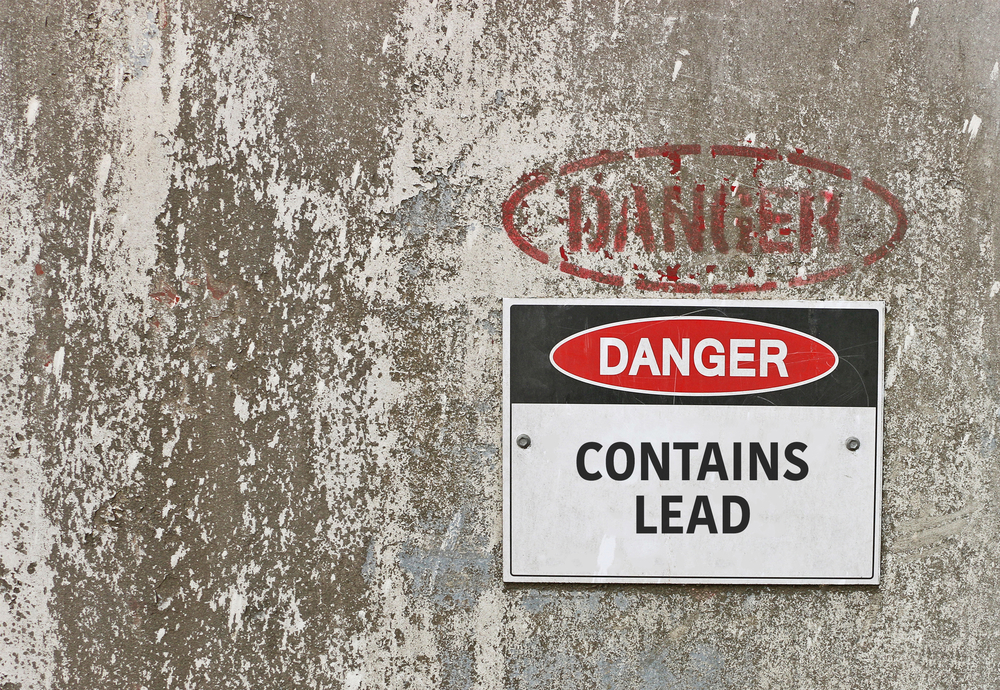
NYC's Childhood Lead Poisoning Prevention Act, known as Local Law 1, requires landlords of most buildings built before 1960 to actively look for and fix lead paint hazards, not just respond when a tenant complains. If a child under six lives in or regularly spends time in the apartment, the law presumes the paint contains lead and shifts real, enforceable duties onto the landlord.
What Local Law 1 requires of a covered landlord:
- Send an annual notice asking whether a child under six lives in or regularly visits the apartment
- Inspect every apartment where a young child lives, along with common areas, at least once a year for peeling paint and friction surfaces like doors and windows
- Repair any lead paint hazard using lead-safe work practices, then pass a dust-wipe test confirming the work was done safely
- Address lead hazards at every apartment turnover, before a new tenant moves in
- Keep records of notices, inspections, and repairs for years, and produce them on request
When a landlord cannot produce these records, that gap is not a technicality. It becomes evidence that the required inspections likely never happened.
Do I Have to Prove My Landlord Knew a Child Lived There?
No, not in the way most parents assume. New York's highest court addressed this directly: once a landlord is charged with knowledge that a young child resides in a pre-1960 apartment, whether through a lease, rent receipts, the required annual notice, or simple observation, the landlord is treated as having notice of the lead hazard itself. A landlord who never sent the annual notice the law requires cannot use its own failure to send that notice as a shield.
What Blood Lead Level Counts as Lead Poisoning?

There is no level considered safe. The CDC uses a blood lead reference value of 3.5 micrograms per deciliter to identify children with more lead in their blood than most children their age, a level lowered from 5.0 in 2021 specifically so more exposed children would be identified earlier. New York City requires landlord and health department action once a child's level reaches 5 micrograms per deciliter.
What this means in practice:
- A result below 5 does not mean there is no case. It means the medical and developmental evidence matters more in showing harm.
- A result at or above 5 triggers mandatory health department involvement and landlord inspection requirements under city law.
- Blood lead levels can fluctuate, and a single test is a starting point, not the full picture. Ongoing monitoring is part of building the medical record.
What Health Effects Should I Watch For After a Lead Exposure?
Lead is a neurotoxin, and its effects on a young, developing brain are often invisible at first. Watching only for obvious symptoms misses most of what actually happens.
- Delayed speech and language development
- Attention and behavior difficulties, including symptoms that resemble ADHD
- Lower measured IQ and learning difficulties that surface once a child reaches school age
- Slowed growth and, in more severe exposures, abdominal pain, fatigue, or anemia
- In young children, effects that are not obvious at the time of exposure but become measurable years later through school performance and neuropsychological testing
This is exactly why an early elevated blood lead result deserves ongoing developmental monitoring, not just a one-time note in a pediatric chart.
Peeling paint gets painted over fast once a complaint is filed. Call (212) 406-1700 for a free case review, 24 hours a day, 7 days a week, or request a free case review online so the evidence is preserved while it still exists.
Where Is Lead Paint Exposure Most Common in NYC?

Lead paint risk tracks the age of a building, not the neighborhood's reputation. Brooklyn, Queens, and the Bronx all have large stretches of pre-1960 multifamily housing, exactly the housing stock Local Law 1 was written to cover, which means families in these boroughs encounter this issue often.
- Pre-war walk-ups and row houses in Brooklyn neighborhoods with older housing stock
- Older multifamily buildings across Queens, particularly conversions and buildings that have changed ownership multiple times
- Aging apartment buildings throughout the Bronx, where deferred maintenance is a recurring theme in HPD violation histories
None of this means newer buildings are automatically safe, since older components can remain from a prior renovation, but it does mean families in older buildings should treat an annual Local Law 1 notice, or the absence of one, as something worth paying attention to.
What Should I Do Right Now If My Child Has an Elevated Lead Level?
- Follow up with your child's pediatrician for repeat testing and a referral to a lead poisoning specialist if the level is significantly elevated.
- Contact the NYC Department of Health and Mental Hygiene, which is required to investigate elevated blood lead results and may inspect the apartment.
- Do not let the landlord repaint or repair the suspected area before it has been documented and tested.
- Photograph every peeling, chipping, or chewable painted surface in the apartment, including windowsills, doors, and radiators.
- Keep copies of every communication with the landlord, including maintenance requests, even ones that seem unrelated to lead.
- Request your building's violation history from the NYC Department of Housing Preservation and Development.
If your child's exposure involves broader concerns about the building itself, our guide on landlord responsibility for dangerous conditions explains how other hazards in older buildings are handled the same way.
How Long Do I Have to File a Lead Poisoning Claim for My Child?

Longer than most personal injury deadlines, because New York pauses the clock while your child is a minor. In practice, a child poisoned by lead paint in a private apartment generally has until age 21 to bring a claim, three years from the date the child turns 18. Waiting that long is rarely wise, since the physical evidence, paint, records, witnesses, disappears long before any legal deadline does.
- Private landlord: the claim generally remains available until the child turns 21
- NYCHA or another public housing building: a notice of claim is still required within 90 days of the exposure being identified, regardless of the child's age
- Evidence, not the legal clock, is usually what actually runs out first
What Does It Cost to Bring a Lead Poisoning Claim?
Nothing up front. Lead poisoning cases are handled on a contingency basis, meaning there is no attorney fee unless compensation is recovered for your child. The consultation is free, and the firm advances the cost of inspectors, physicians, and testing while the case is pending. Because the client is a child, any settlement requires court approval, which protects your child's recovery until they are old enough to receive it.
Frequently Asked Questions About Lead Paint Poisoning in NYC
What if we already moved out of the apartment where the exposure happened?
Moving does not end the claim. The deadline runs from the exposure and the infancy toll, not from your current address, and health department and prior inspection records for the old apartment remain available to document the condition your family lived in.
Can I bring a claim if my child's only symptom is a learning or speech delay?
Yes, when the exposure and the delay are connected through medical and educational evidence. Cognitive and behavioral effects are often the primary harm in a lead poisoning case, documented through neuropsychological testing, school records, and physician opinions rather than any single obvious physical symptom.
What if my landlord says the paint has already been tested and is safe?
That claim needs to be verified independently, not taken at face value. A certified lead inspector using XRF testing can determine actual lead content on specific surfaces, and a landlord's informal assurance is not a substitute for documented, dated testing performed to the required standard.
Does it matter if the building has since been renovated?
Not for the underlying claim. Renovation does not erase what happened before it, and health department records, prior HPD violations, and your child's medical history document the exposure regardless of what the apartment looks like today.
Your Child's Blood Test Started a Legal Clock. We Handle the Rest.

New York City wrote strict rules requiring landlords to find and fix lead paint hazards before a child is ever poisoned. When a landlord ignored those rules, the law gives your family a path to the resources your child will need going forward, tutoring, therapy, and monitoring that can extend for years.
As NYC lead poisoning attorneys, we at Washor Kool Sosa Maiorana & Schwartz, LLP investigate a building's Local Law 1 compliance history alongside your child's medical records, because the two usually tell the same story. This work is part of our broader New York property injury practice. Our attorneys have recovered over $1 billion in verdicts and settlements. Call 212-406-1700 any time, day or night, for a free consultation.
This article is for informational purposes and is not legal advice. Every case depends on its own facts.
Washor Kool Sosa Maiorana & Schwartz, LLP
(212) 406-2313Attorney Advertising. Prior results do not guarantee a similar outcome.