Technology is changing how lawyers prepare cases. Research tools can organize information, surface patterns across thousands of pages, and bring a useful detail into view that might otherwise take weeks to find.
What technology does not do is replace the lawyer. At Washor Kool Sosa Maiorana & Schwartz, LLP, the working rule is that modern tools improve the preparation while an attorney makes every legal judgment. For a trial practice, that distinction is the whole thing.
Key Takeaways
- Modern trial preparation increasingly relies on technology to organize and review large volumes of case records.
- These tools are used to support attorneys, not to replace legal judgment or courtroom experience.
- A responsible approach keeps an attorney directly involved in every stage of a case, even when technology assists with the early work.
- Boutique firms can now bring sophisticated research and document-review tools to individual cases without losing personal attorney involvement.
Why Does a Serious Case Produce So Much Paper?

Because the law requires both sides to hand over nearly everything, a serious injury or malpractice case generates charts, transcripts, site inspection reports, and employment files, and the detail that decides it is buried somewhere in that stack. Each side has to turn over anything material and necessary to proving or defending the case, under CPLR 3101, which is why the volume grows the way it does.
A deposition, which New York practice also calls an examination before trial, is a session where a witness answers questions under oath while a stenographer records every word, and it is one of the main steps in pretrial discovery. Transcripts from those sessions add hundreds of pages on their own.
Locating the one page that matters used to take weeks of line-by-line review. That work still has to happen, and a client waiting to understand what went wrong feels every week of it.
What Do These Tools Actually Do?

They move through volume quickly and flag where to look. Modern research tools can work across extensive records, surface inconsistencies, and pull a single relevant page out of a chart that runs thousands of pages.
Pablo Sosa, one of our partners, describes the firm as “investing in all kinds of modalities that allow us to synthesize data, to crystallize arguments, to find diamonds in the rough, and sometimes 10,000-page medical charts.”
The analogy fits. A gap in a defense position rarely announces itself, and it can sit on page 4,000 of a record. Surfacing it faster means an attorney spends less time searching and more time working out what it means.
Think of a metal detector on a beach. The device cannot interpret what it finds; it only says where to dig. A trial lawyer still examines what comes up and decides whether it matters.
What Makes the Use of AI Responsible in a Law Firm?
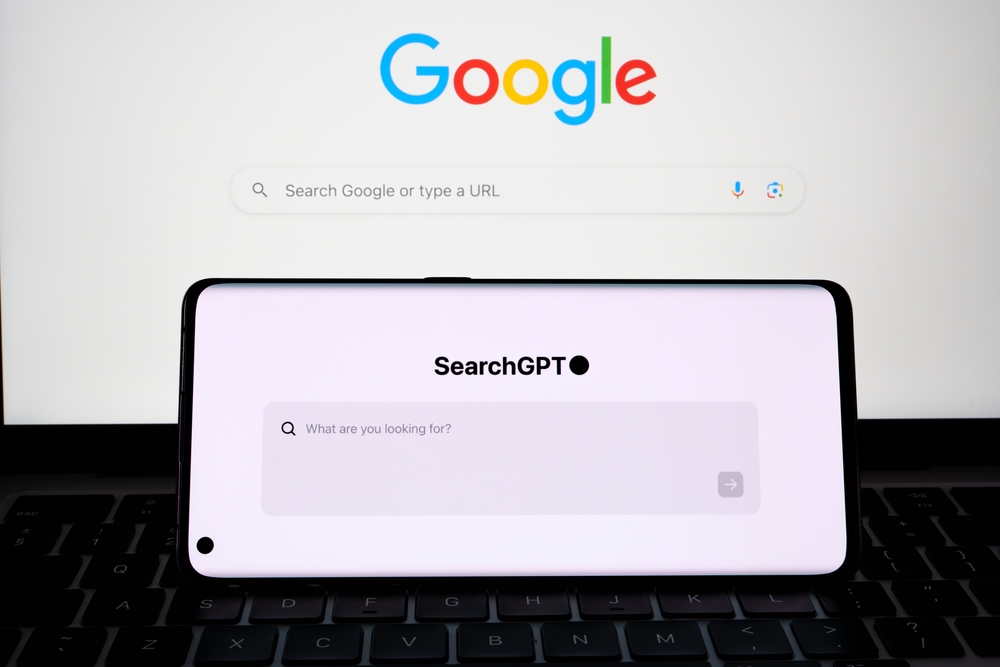
Keeping the lawyer inside every part of the case. Sosa puts it this way: “We are implementing a component of AI into our practice, responsible AI, meaning AI from a lawyer’s perspective, with the lawyer firmly planted and embedded in all aspects of the case.”
A tool can summarize a document. It cannot decide what that document means for a client’s life, and it cannot sit across from a grieving family and explain what comes next.
So the technology handles volume, and the lawyer handles judgment. Every fact a tool surfaces is checked, weighed, and understood by an attorney before it becomes part of a case.
A Small Firm With Big Firm Resources
Large national firms have long had an advantage in resources, with research teams and the ability to staff a complicated case deeply. Smaller practices could not always match that.
That gap has narrowed. Sosa describes the firm as “small and boutique and personal” while “bringing big firm, even governmental institutional type resources to every case that we touch.”
New York’s courts have moved in the same direction. Filings, case activity, and documents now run through the Unified Court System’s electronic services, including the NYSCEF e-filing system, so the record a firm works through arrives digitally from the start.
Our attorneys still meet clients directly and take the depositions themselves. The tools only mean they arrive better prepared.
FAQs: How Technology Is Changing Trial Preparation
These are the questions clients ask most often about how we use technology.
Does Using AI Mean a Computer Decides How My Case Is Handled?
A computer decides nothing about your case. Technology organizes and reviews records, and an attorney decides what matters, what needs further investigation, and how the evidence fits together.
Who Is Responsible if a Tool Misses Something?
The attorney is, in every instance. A tool is a starting point for review rather than the review itself, which is why findings are read and weighed by a lawyer before they shape a case.
Does Technology Change What My Case Costs?
It does not change our fee structure. We handle injury and malpractice cases on a contingency fee, so our fee comes out of a recovery rather than out of your pocket.
Is This Kind of Technology Only Available at Large National Firms?
Not anymore. Smaller firms now use many of the same research and data tools that larger institutions rely on, while keeping the direct attorney relationship that smaller firms are known for.
Does Relying on Technology Mean Less Contact With My Attorney?
If anything, it means more. Time an attorney does not spend searching through records is time available for client contact, case strategy, and trial preparation.
Talk To A Trial Lawyer About Your Case
Technology helps us prepare faster. It does not change who is representing you.
Call Washor Kool Sosa Maiorana & Schwartz, LLP at (212) 406-1700 or reach out online to talk through your situation with one of our trial attorneys. Our office is at 233 Broadway, 18th Floor, in Manhattan, and consultations are free.