Your first conversation with Washor Kool Sosa Maiorana & Schwartz, LLP is a meeting with an attorney, not an intake screener. There is no script, no screening questionnaire, and no pressure to sign an engagement letter before you are ready. The person on the line is one of the lawyers who would handle your case.
We see the first conversation differently. This page explains what that meeting looks like, who you will be speaking with, and what we hope you take away from it.
Serious injury and medical malpractice cases may last years, not weeks. During that time, a client places enormous trust in the attorney handling the case, sharing medical history, financial details, and some of the hardest moments of their life.
We believe a relationship like that should begin with a real conversation rather than a sales pitch. That is why our attorneys are involved from the first call, and why we take those calls ourselves. You can reach us at (212) 406-1700 whenever you are ready to have that conversation.
We Want To Hear Your Story
When someone contacts our firm, one of the first things our attorneys want to understand is what happened, not simply the legal facts that might eventually appear in a complaint or a demand letter. A complaint is the document that formally begins a lawsuit, and a demand letter is the written settlement request sent to an insurance company before a lawsuit is filed. We want to understand the human story behind those facts.
Who has been affected by what happened? What has changed in your daily life, your work, or your family since the accident or the diagnosis? What questions have been sitting with you since it happened?
These are not formalities on the way to the legal analysis. They are where the conversation starts, and often the longest part of a first meeting.
An attorney who understands what a client has lost, whether that is time with family, the ability to work, or a sense of stability, is in a better position to explain what a case can realistically accomplish and to build it around what actually matters to the client.
Clients often arrive expecting to be asked mainly about paperwork, such as police reports, medical bills, or insurance information. Those details matter, and we will get to them. But paperwork does not tell us who was affected, or what the last few months have actually looked like.
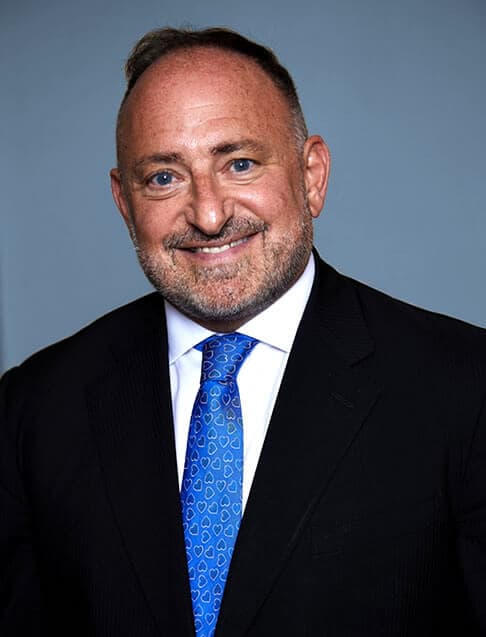
Once we believe we may be able to help, we ask to meet in person. Matthew Maiorana, a partner at the firm, calls that step a personal investment: once we decide we can possibly help, he or another partner sits down with the person directly.
Pablo Sosa, who handles the same first conversations, puts the reason plainly: “It’s always best explained in person rather than over the phone, but every case is unique. Every fact pattern is unique.”
Finding The Right Fit Goes Both Ways
We view the relationship between an attorney and a client as a partnership, not a transaction. We want a prospective client to feel comfortable with us, and we want to know that we are in a position to help them.
As Matthew Maiorana put it when describing what he looks for in that first meeting:
“I want to know that I’m comfortable with my client, and I want my client to be comfortable with me. That’s part of our culture here.”
He describes it as a two-way street. It is as important to us that we are right for a client as it is that the client is right for us.
Not every case is the right fit for every law firm, and not every attorney is the right fit for every client. A case might involve issues outside our experience, or a working relationship might simply not feel right to either side. Far better to recognize that early than to discover it months into a case.
We would rather say in the first meeting that a case may not be right for our firm than accept it and let a client discover that later. That honesty can be uncomfortable in the moment. It costs far less than a mismatched relationship found a year into litigation, the formal court process that follows the filing of a lawsuit, when changing attorneys becomes far more disruptive.
That evaluation runs in both directions. We are assessing whether we have the right experience for this type of case and whether we believe we can genuinely help. We expect a prospective client to be evaluating us just as carefully.
Language matters in that exchange. Pablo Sosa speaks Spanish and, on construction cases, the vocabulary of the job site: the safety devices, the tools, and the trades. A worker describing what failed can say it directly, rather than through a translator who may not know the trade, and the account we get is far more accurate.
Part of that means paying attention to how a prospective client engages with us. A case is hard to build when a client is hard to reach or is not forthcoming about difficult facts, and that falls on the client as much as on us. We would rather notice it early than take on a case where that trust is missing.
How Long Will We Work Together?
Often for two or three years, and sometimes longer. Many serious injury and malpractice cases do not resolve in months, particularly when a case involves catastrophic injuries or a disputed malpractice claim that requires extensive technical review. Filing deadlines are a separate matter, and they arrive earlier than most people expect: most New York personal injury actions must be started within three years under CPLR 214, and most medical malpractice actions within two years and six months under CPLR 214-a.
Claims against a public agency run on a much shorter clock. A case against New York City, the MTA, or another public corporation requires a notice of claim served within 90 days after the claim arises, under General Municipal Law Section 50-e. That is one reason we would rather hear from someone early than late.
That horizon is much of why we place so much importance on the relationship from the beginning. The attorney who starts with a client at the first meeting is generally the same attorney who stays with the case to the end.
Over that period, a client’s circumstances change. Treatment continues, financial pressures shift, and new facts surface as an investigation deepens. An attorney who was there from the first conversation understands how those changes fit the larger picture, rather than meeting them in a file review years later.
A case that lasts two or three years is also a relationship that lasts two or three years. It is worth thinking about who you want on the other end of that relationship for as long as it takes. If you want to start that conversation, call us at (212) 406-1700 and ask for one of our partners.
Meet our attorneys and learn if our approach is right for you.
What Should You Ask Us in the First Meeting?
Ask anything you would want answered before trusting someone with the next several years of your life. Clients arrive with a long list, some questions practical and some harder to put into words.
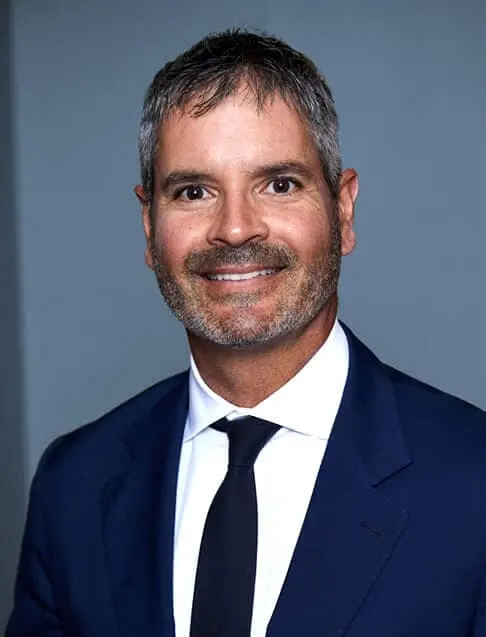
Pablo Sosa has noticed which two subjects come up first almost every time: “I find clients are very curious about time and money right off the bat.”
How long will my case take? How much is my case worth? We answer both, with the reasons behind the answer rather than a number.
Every case and every injury is different, so what a friend or relative told you a case should be worth is rarely a reliable guide to your own. We take the time to explain why, rather than offering a number that does not reflect your facts.
We encourage those conversations rather than steering around them. A first meeting is not the moment to hear only what you want to hear. It is the moment to get honest answers about the road ahead, including the difficult parts of it.
The most useful conversations involve difficult questions rather than easy reassurance. What happens if the insurance company disputes liability, meaning legal responsibility for the harm? What if a medical record is incomplete, or a witness’s account changes over time?
We also explain how a case moves forward day to day: what an investigation involves, how long each stage takes, and what you will be asked to do along the way, including sitting for a deposition.
A deposition, which New York practice also calls an examination before trial, is a session where you answer questions under oath while a stenographer records every word, as the New York State Unified Court System explains. Both sides are entitled to that exchange of information because CPLR 3101 calls for full disclosure of all matters material and necessary to the case.
Uncertainty is harder on clients than difficult facts, so we remove as much of it as we can from the first conversation.
What Should You Leave the Meeting Knowing?
You should leave knowing who we are, how we think about a case like yours, and whether you want us handling it. Understanding your legal options matters too, but that is the easier half. The harder half is deciding whether these are the attorneys you want beside you through one of the most difficult periods of your life.
If the fit feels right on both sides, that conversation becomes the beginning of a working relationship built on the same honesty it started with. If it does not, we would rather say so than pretend otherwise. Recommending that someone speak with a different attorney or a firm better suited to their case is not a failure on our part.
A relationship that begins with an honest conversation tends to hold up when it matters most. That is the standard we hold ourselves to before we discuss a case in detail, and the standard we hope you hold us to.
FAQs: Meeting With Our New York Personal Injury Attorneys
These are the questions we hear most often before a first meeting.
Will I Actually Speak With an Attorney When I Call?
Yes. Our attorneys take first calls themselves rather than routing them to intake staff, so the person on the line is one of the lawyers who would handle the case. If we believe we may be able to help, one of our partners will then meet with you in person.
Does a First Meeting Cost Anything?
There is no charge for the first conversation, and we handle injury and malpractice cases on a contingency fee. That means our fee comes out of a recovery rather than out of your pocket. We advance case expenses as well, and those are repaid from any recovery.
Can I Meet in Person, or Only by Phone?
In person, whenever it is practical. Our office is in the Woolworth Building at 233 Broadway in Manhattan, and we ask to meet there once we believe we may be able to help. Some parts of a case are simply better explained face-to-face.
Can I Have the Conversation in Spanish?
Yes. Pablo Sosa speaks Spanish and, on construction cases, the vocabulary of the job site, so a worker can describe the equipment and the trade directly rather than through a translator unfamiliar with that work. That usually produces a more accurate account of what happened.
How Soon After an Injury Should I Call?
Sooner than most people expect. Evidence moves, and witnesses become harder to find, and some deadlines arrive early: a claim against New York City or the MTA requires a notice of claim within 90 days. Waiting rarely helps a case.
What Happens if You Decide Not to Take My Case?
We tell you in the meeting rather than months later. If the matter falls outside what we handle, or if we do not believe we are the right firm for it, we say so directly and point you toward someone better suited to it.
Speak With One of Our Attorneys
Call Washor Kool Sosa Maiorana & Schwartz, LLP at (212) 406-1700 to arrange a conversation about your case, or contact us online. Our office is at 233 Broadway, 18th Floor, in the Woolworth Building in Manhattan. An attorney will speak with you.