Most people never expect to need a personal injury or medical malpractice lawyer. They come to us after something happened that should not have happened, and their lives look different from what they did a month ago, a year ago, or a single afternoon ago.
At Washor Kool Sosa Maiorana & Schwartz, LLP, how we think about cases starts with a simple idea: every case involves a person whose life has changed. We represent people dealing with catastrophic injuries, medical mistakes, the loss of a loved one, and other events that can alter a family’s future.
Before we look at a legal theory, we take the time to understand the person at the center of the case. This page explains how we actually approach the work, so you can judge for yourself whether it is the approach you want on your side.
Call us at (212) 406-1700 to talk with one of our attorneys about what happened.
Schedule a Free Case EvaluationWe Meet People at Difficult Moments in Their Lives
People rarely come to us because something went slightly wrong. They come after a serious injury, a medical error, a death, or another event that has changed what daily life looks like.
A person who once worked every day may be unable to return to the same job. Someone who cares for a family may suddenly need care themselves. A family that expected many more years together may instead be trying to understand how to move forward.
We do not believe those circumstances should be reduced to a file number. They are the reason the case matters.
That does not mean approaching a case through emotion alone. Serious cases require careful judgment, close attention to evidence, and a willingness to confront difficult questions.
What happened, and what evidence supports that conclusion? What evidence points the other way? What will a defense attorney argue, and what will a jury need to understand?
Those questions are part of how we think about cases from the beginning. A lawyer who does not understand what a client has lost is unlikely to build a case that reflects it.
Our attorneys handle serious personal injury and medical malpractice matters throughout New York and New Jersey, much of that work in the state trial courts of New York City and the surrounding counties. That experience has shown us that legal analysis is only one part of representing someone whose life has been disrupted.
Can a Lawsuit Undo What Happened?
A lawsuit cannot undo what happened, and we do not pretend otherwise. It cannot restore a lost loved one, erase a catastrophic injury, or give someone back years of a life that have already changed.
We do not view a personal injury case as a chance to make someone wealthy. Compensation cannot make a person whole in the literal sense when the underlying loss cannot be reversed.
The legal system does provide a way to seek accountability and compensation for losses the law recognizes. For a seriously injured person or family, it can address medical expenses, lost income, future care, and other consequences of an injury.
The law also sets deadlines. Most New York personal injury actions must be started within three years under CPLR 214, and most medical malpractice actions within two years and six months under CPLR 214-a. Those limitation periods are filing deadlines, and once one passes, the claim is generally gone.
Our role is not to tell clients that money can fix what happened. It is to understand what happened, determine what the evidence can establish, and pursue the remedies that may be available.
Every Case Has Strengths and Weaknesses
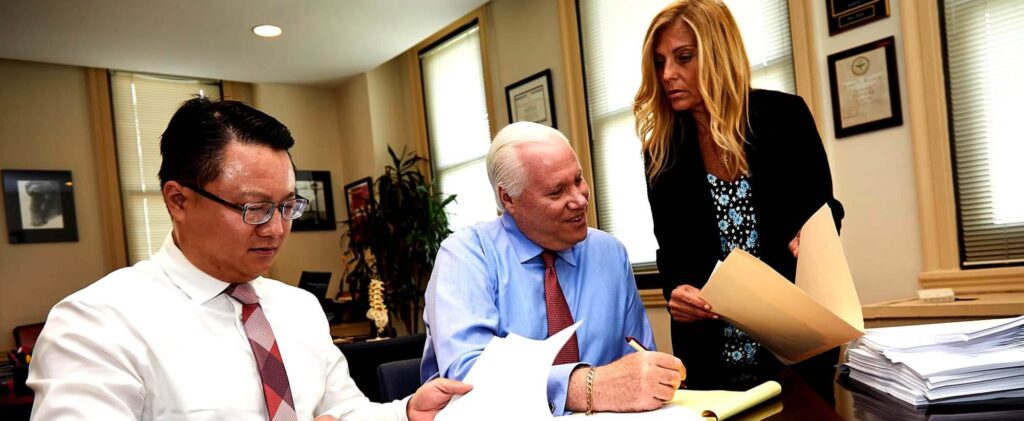
An attorney should be willing to identify the problems in a case before the other side does. No case is perfect. There may be conflicting records, difficult testimony, uncertain evidence, or facts that a defense attorney will use to challenge the claim.
Pretending those issues do not exist does not make a case stronger. Understanding a weakness gives us an opportunity to investigate it.
Sometimes, additional evidence answers a difficult question. Sometimes a qualified professional can explain something that initially appears unclear. Sometimes the evidence confirms that an issue is more significant than it first appeared.
And sometimes a problem stays a problem. Honest case evaluation means recognizing that, too. Clients do not benefit from being told what they want to hear when the evidence says something different.
Serious litigation involves uncertainty. The job is to understand that uncertainty as thoroughly as possible and make informed decisions about how the case should proceed.
How Do We Build an Evidence-Based Narrative?
We build an evidence-based narrative by first understanding the facts, then organizing the evidence so that those facts can be understood clearly.
A serious case can contain thousands of pages of records, photographs, reports, testimony, employment information, and professional opinions. Collecting that information is not enough, because we still need to understand what it means.
That can involve working with qualified medical, engineering, vocational, and financial professionals. New York’s rules require each side, on request, to identify the professionals it expects to call at trial, the subject matter of their testimony, and the substance of their opinions, under CPLR 3101(d)(1).
We look for connections within the evidence. A record may help explain an injury, a photograph may establish a physical condition, and employment records may show how an injury affected a person’s ability to work.
The goal is a linear argument. What happened? What caused it, what evidence supports that conclusion, and what losses followed?
When those questions can be answered clearly, complicated information becomes easier to understand. That is one reason preparation takes time. The strongest version of a case does not come from putting the largest possible amount of information in front of a jury, but from understanding it well enough to identify what matters.
Why Is Trial Work Really About Storytelling?
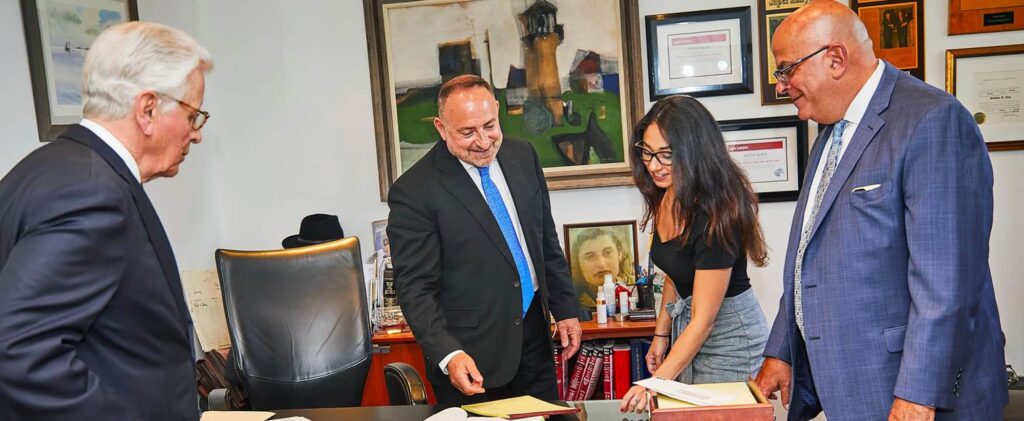
Trial work involves storytelling because people understand complicated information through a sequence of events.
That does not mean inventing a story or dressing up weak evidence. It means presenting the evidence so jurors can understand what happened and why it supports one conclusion rather than another.
A jury needs the sequence. What happened first, what happened next, what did the records show, and how did the event affect the person’s life? The answers have to fit together.
The legal framework matters as much as the facts. At the close of the evidence, any party may file written requests asking the court to instruct the jury on the law, under CPLR 4110-b. The instructions a jury receives shape how it weighs everything it has heard, so we prepare them alongside the proof.
We also prepare with the understanding that a juror may be hearing the details of a case for the first time. A technical explanation that makes sense to an engineer may not make sense to a juror. Our job is to understand those complexities well enough to explain them plainly.
Cases Are People, Not Numbers
Inside our office, we refer to cases by the names of the people involved, not by a number. That may seem like a small habit, but it reflects something real. A case is not an abstract legal problem, because it belongs to a person whose life has been affected by what happened.
Personal relationships also matter because serious cases take time. Clients may have continuing medical needs, changes in employment, or new questions as litigation develops.
We want clients to know who is working on their case. That does not mean every conversation will be easy. Sometimes we have to explain that an assumption about a case does not match what the records show, and we would rather have that conversation directly.
Clients are also more than what happened to them. Their lives include families, careers, interests, and plans that existed before the injury or loss. Understanding that broader picture helps us understand what the case means to the person.
What Does Serious Case Preparation Look Like to Us?
Serious preparation means looking closely at the information that supports a case and at the information that creates questions about it.
We prepare with a trial in mind because trial-level preparation demands a detailed understanding of the evidence. It means knowing the records, understanding the testimony, identifying the disputed issues, and developing a clear explanation of the case.
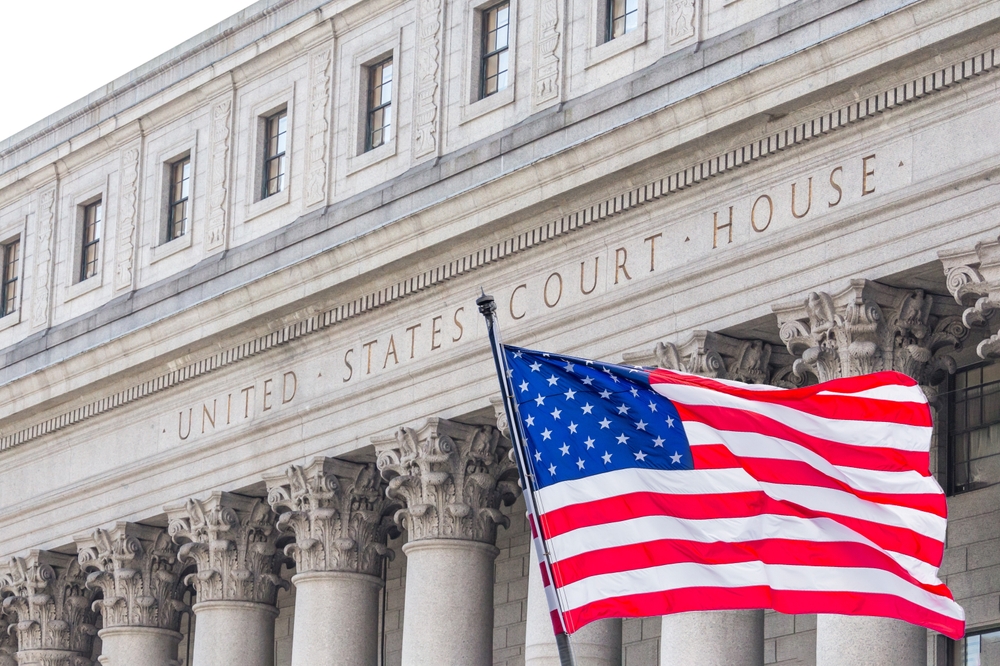
New York’s disclosure rules are broad. Each side has to turn over anything material and necessary to proving or defending the case, which is a wide net, under CPLR 3101. That exchange of records and sworn testimony is the stage known as pretrial discovery.
Preparation also means knowing what we do not know. When a question turns on medical, vocational, financial, or engineering knowledge, we consult qualified professionals. Their role is not to replace our judgment but to help us understand evidence that sits outside the practice of law.
Technology assists that work without replacing judgment. A database can organize information, and software can make large volumes of material easier to review. Someone still has to decide what the information means and how the evidence fits together.
Personal Relationships. Serious Resources.
Personal attention and sophisticated litigation resources belong together. Our attorneys work directly with clients while drawing on the medical, financial, vocational, and investigative resources that complex cases require.
We have built our practice around serious injury, medical malpractice, wrongful death, and other matters in which the evidence is extensive, and the consequences are permanent.
Our attorneys are active in professional organizations, including the New York State Bar Association, the American Association for Justice, the New York State Trial Lawyers Association, the New York City Trial Lawyers Alliance, and the New York County Lawyers Association.
Several of our partners lecture on trial preparation, complex personal injury litigation, and medical malpractice.
Those credentials are not the philosophy itself. Our philosophy is to understand the person, the evidence, and the law, and to prepare the case carefully.
Our attorneys have recovered over $1 billion for injured people and their families throughout New York and New Jersey. Results may vary. Prior case outcomes do not guarantee similar results.
Call (212) 406-1700 for a free case review with one of our attorneys.
FAQs: How Washor Kool Sosa Maiorana & Schwartz Approaches a Case
These are the questions people ask most often about how we work.
Will You Tell Me if My Case Has a Problem?
Yes, and we will tell you early. We look for the weak points in a case before the other side finds them, and we would rather explain a difficult fact at the start than let you learn about it during the trial.
What Kinds of Cases Do You Take?
Serious personal injury and medical malpractice matters, including catastrophic injuries and wrongful death, throughout New York and New Jersey. We take fewer cases, so each one gets real attorney attention.
How Long Do I Have to File?
Most New York personal injury claims carry a three-year deadline, and most medical malpractice claims two years and six months, and claims against a public agency run far shorter. The safest approach is to ask early rather than assume.
Will I Work With the Same Attorney Throughout?
Yes. The attorney who evaluates your case stays with it through the investigation, the litigation, and the resolution, so you are not explaining your situation again to someone new.
What Happens at a First Meeting?
We ask what happened and how it has changed your life, and we answer your questions about the process honestly. It is also where both sides decide whether we are the right firm for the case.
Does It Cost Anything to Talk to You?
No charge for the conversation. We handle these cases on a contingency fee, so there is no fee unless we recover on your behalf.
The Philosophy That Guides Every Case We Take
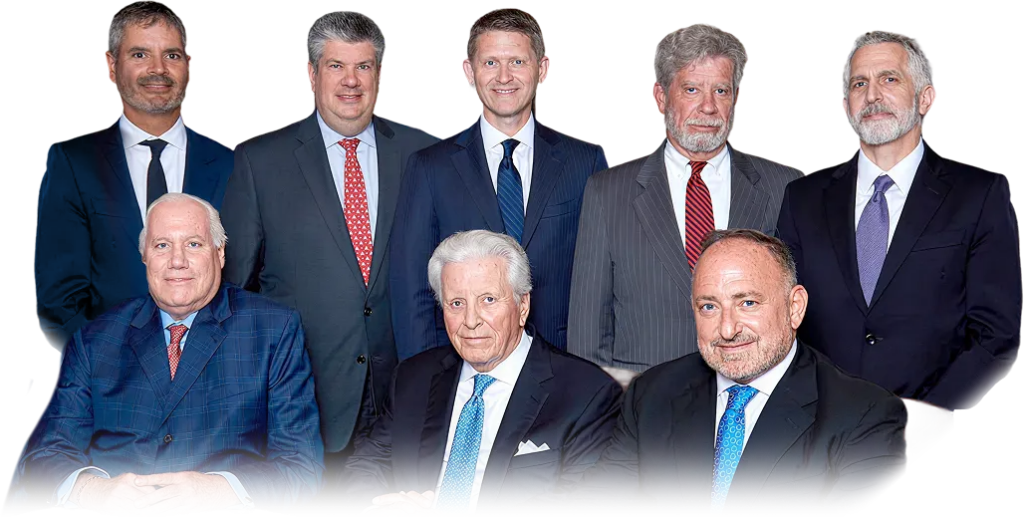
How we think about cases comes down to more than one strategy or courtroom technique. We start with the person, learn how the injury or loss has affected their life, and then examine the evidence with an open mind.
We ask difficult questions early, work to understand complicated medical and technical issues, organize the information into a clear narrative, and prepare with the possibility of trial in mind.
Call Washor Kool Sosa Maiorana & Schwartz, LLP at (212) 406-1700 or reach out online to talk with one of our attorneys about what happened. Consultations are free, there is no fee unless we recover on your behalf, and our office is at 233 Broadway, 18th Floor, in Manhattan.