When you step onto someone else's property in New York, the owner has a legal obligation to maintain reasonably safe conditions. Premises liability law defines what property owners owe to visitors and establishes when injured parties may seek compensation for accidents caused by dangerous conditions. From icy sidewalks in Brooklyn to broken staircases in Manhattan office buildings, these rules govern a wide range of injury claims throughout the state.
A New York premises liability lawyer helps injured visitors understand their rights under this area of law and pursue claims against negligent property owners. Reach out to Washor Kool Sosa Maiorana & Schwartz, LLP to learn how premises liability law applies to your situation.
Schedule a Free Case Evaluation
Key Takeaways About Premises Liability Law in New York
- Premises liability law holds property owners responsible for injuries caused by dangerous conditions they knew about or should have discovered through reasonable inspection.
- New York applies a single standard of reasonable care under the circumstances, with a visitor’s reason for being on the property considered as one factor in evaluating liability.
- New York follows pure comparative negligence, meaning injured visitors may recover partial compensation even when they share responsibility for an accident.
- Most claims against private property owners must be filed within three years, while claims involving government property require a Notice of Claim within 90 days and shorter filing deadlines.
- Working with a premises liability attorney familiar with New York law can help identify viable claims and avoid procedural pitfalls.
Why Work With a Premises Liability Lawyer From Washor Kool Sosa?
Washor Kool Sosa Maiorana & Schwartz, LLP has represented injured New Yorkers for over six decades. Our attorneys handle premises liability matters throughout the five boroughs, Long Island, Westchester, and surrounding communities, applying state and local laws to build strong cases for our clients.
Our Record in New York Premises Liability Matters
Our firm has recovered more than $1 billion for clients across a wide range of practice areas. In premises liability matters, we have secured substantial verdicts and settlements for individuals injured due to dangerous property conditions, including defective walkways, hidden hazards, and deteriorating surfaces. These results demonstrate our ability to apply New York law effectively to achieve meaningful outcomes for injury victims.
How We Approach Premises Liability Claims
Our team collects maintenance logs, security camera recordings, and witness accounts to document what the property owner knew and when. We manage all dealings with insurers and defense counsel so you may concentrate on healing. Attorney fees are contingent on recovery, though clients may remain responsible for certain litigation expenses as permitted by law.
What Legal Duties Do Property Owners Owe Under Premises Liability Law?
New York premises liability law imposes different obligations depending on why someone enters the property. Courts evaluate the relationship between owner and visitor when determining what standard of care applies.
How Visitor Status Affects Property Owner Duties
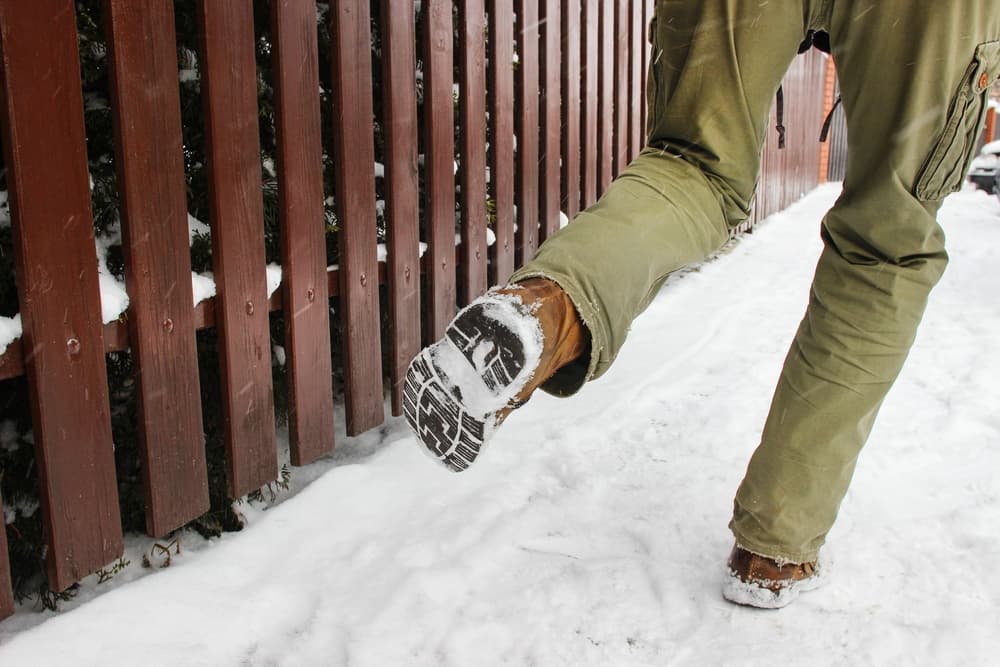
The level of protection you receive under premises liability law depends on your reason for being on the property. New York applies a single standard of reasonable care under the circumstances, rather than rigidly classifying visitors as invitees, licensees, or trespassers.
While a person’s reason for being on the property may remain relevant, courts focus on whether the property owner acted reasonably in light of all circumstances. Property owners must act reasonably in maintaining their premises, which may include inspections, repairs, or warnings depending on the circumstances. Even when someone is on the property without permission, an owner may still owe a duty of reasonable care based on factors such as foreseeability and location.
These distinctions shape how courts analyze premises liability claims. A premises liability lawyer examines the facts of your visit to determine which category applies and what duties the owner breached.
The Reasonable Care Standard in Premises Liability Cases
Property owners must act as a reasonable person would under similar circumstances. This means conducting regular inspections, promptly addressing hazards, and warning visitors about dangers that cannot be immediately fixed. A puddle in a grocery aisle requires cleanup or warning signs. A broken step demands repair or barriers preventing access.
Courts examine whether the owner took appropriate precautions given what they knew or should have known. The standard adapts to the property type and circumstances. A busy Times Square retailer faces different expectations than a rural homeowner, but both must exercise reasonable care for those who enter their premises.
What Must Injured Visitors Prove in a Premises Liability Claim?
Premises liability claims require proof of specific elements. The injured person bears the burden of establishing each component to recover compensation.
The Elements of a New York Premises Liability Case
Successful claims depend on demonstrating that the property owner failed to meet their legal obligations and that this failure caused harm.
A premises liability claim in New York requires proof of the following elements:
- The defendant owned, leased, occupied, or controlled the property where the injury occurred.
- A dangerous condition existed on the property that created an unreasonable risk.
- The property owner knew about the condition or should have discovered it through reasonable inspection.
- The owner failed to remedy the hazard or provide adequate warning.
- The dangerous condition directly caused the visitor's injuries and resulting damages.
Each element presents distinct challenges. Identifying all responsible parties requires investigation, as commercial properties often involve owners, management companies, and tenants who share maintenance duties.
Why Notice Matters in Premises Liability Litigation
The notice requirement frequently determines whether premises liability claims succeed or fail. You must show the property owner had actual or constructive knowledge of the hazard.
Actual notice exists when the owner received direct information about the danger. Tenant complaints, employee reports, and prior accident records all qualify. Constructive notice arises when conditions persisted long enough that reasonable inspections would have revealed the problem.
Evidence that helps establish notice in premises liability cases includes:
- Visible deterioration, grime, or wear suggesting the hazard existed for an extended period
- Maintenance records showing the owner knew of similar problems
- Testimony from witnesses who observed the danger before the accident
- Prior complaints or incident reports involving the same condition
- Gaps in inspection logs indicating the owner failed to conduct regular checks
Absent proof that the owner had actual or constructive notice of the hazard—or created the condition—premises liability claims may be dismissed regardless of injury severity.
How Does Comparative Negligence Affect Premises Liability Claims in New York?
New York adopted pure comparative negligence through CPLR Section 1411, which governs how courts allocate fault between property owners and injured visitors.
What Pure Comparative Negligence Means for Your Premises Liability Claim
This rule reduces your recovery in proportion to your share of responsibility, but it never eliminates your claim entirely. Unlike neighboring states such as New Jersey, which bar recovery once your fault crosses the 50 percent threshold, New York permits partial recovery regardless of how much blame falls on you.
As a result, injured visitors in New York may still recover compensation even when they share significant responsibility for an accident. Defendants and insurers often argue that an injured person’s conduct contributed to the accident in order to limit potential liability.
Defense Strategies That Target Premises Liability Plaintiffs
Adjusters and defense attorneys scrutinize every detail of your accident looking for ways to assign blame to you rather than the property owner.
Common defenses raised against premises liability claimants include:
- Wearing inappropriate footwear for conditions, such as heels on wet surfaces
- Looking at a phone or engaging in conversation instead of watching where you walked
- Ignoring posted warnings, caution tape, or "Wet Floor" signs
- Entering areas marked as restricted or off-limits to visitors
- Having previously navigated the same area without incident
A premises liability lawyer anticipates these tactics and builds evidence demonstrating the owner's greater responsibility. Thorough documentation of a hazardous condition can be critical in countering defense arguments, though outcomes depend on the specific facts and evidence presented.
What Deadlines Apply to Premises Liability Lawsuits in New York?
Strict time limits control when you may bring a premises liability claim. Once these windows close, courts dismiss cases regardless of merit.
Statute of Limitations for Private Property Claims
Many premises liability claims against private property owners are subject to a three-year statute of limitations, though shorter deadlines may apply in cases involving wrongful death, contractual limitations, or certain entities. Landlords, homeowners, retailers, restaurants, and commercial building operators all fall under this timeline.
The clock starts ticking on the day of your accident, not when symptoms fully develop or when you realize the extent of your injuries. Delays can limit the time available for investigation, negotiation, and case preparation.
Ninety-Day Notice Requirement for Government Property Claims
Accidents that happen on state, city, or other municipal property are governed by New York General Municipal Law § 50-e. This law requires an injured person to file a Notice of Claim within 90 days of the incident. The Notice of Claim tells the government entity that you intend to seek compensation and briefly explains what happened.
Missing the 90-day deadline will usually bar the claim completely, although a court may allow a late filing in limited situations. In most cases involving cities, counties, towns, or villages, a lawsuit must be filed within one year and 90 days of the accident.
Different deadlines apply to claims against New York State and certain public authorities. Because these time limits are much shorter than in ordinary injury cases, it is important to speak with a premises liability attorney as soon as possible after an injury on public property.
What Types of Accidents Fall Under Premises Liability Law?
Premises liability law covers a broad spectrum of injuries occurring on residential, commercial, and public property. The common thread is that a property condition or the owner's negligence caused harm to a visitor.
Common Premises Liability Accident Categories
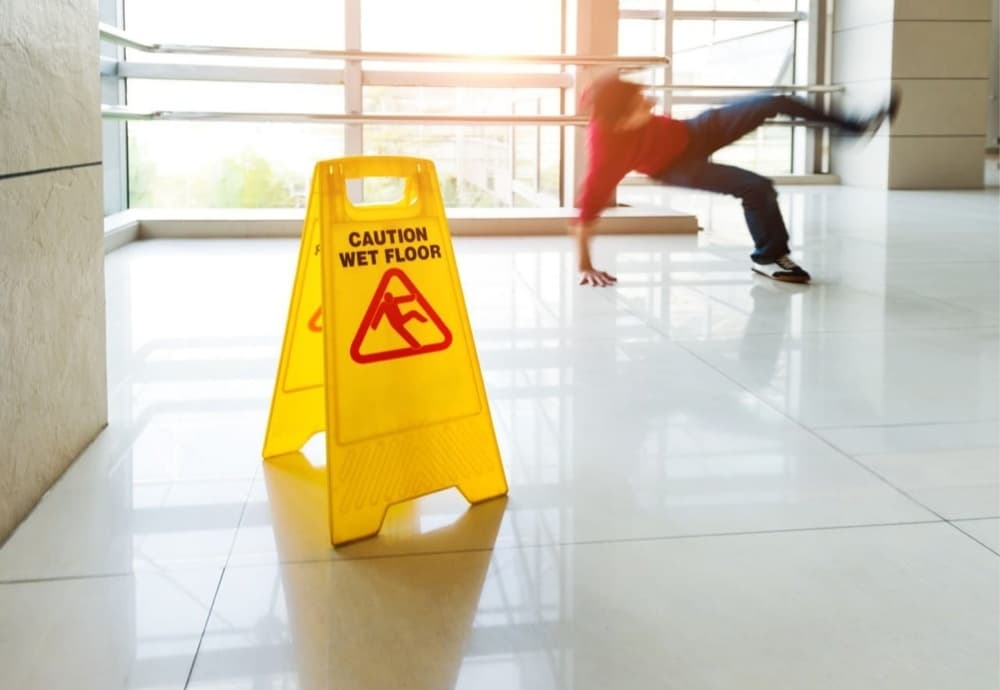
These claims commonly arise from hazardous conditions that property owners failed to address.
Premises liability law in New York applies to accidents involving:
- Slip and fall injuries from wet floors, icy walkways, spilled liquids, and slippery surfaces
- Trip and fall accidents caused by uneven pavement, broken steps, torn carpeting, and debris
- Inadequate security where criminal acts were reasonably foreseeable based on prior incidents or surrounding circumstances
- Elevator and escalator malfunctions including sudden stops, door failures, and entrapments
- Swimming pool accidents involving drowning, diving injuries, or slip hazards on wet decks
Each category involves distinct legal considerations. A premises liability lawyer evaluates which theories apply to your accident and identifies all potentially responsible parties.
FAQs for Premises Liability Lawyers
What is the difference between premises liability and general negligence?
Premises liability is a specific type of negligence that applies when dangerous property conditions cause injuries. While general negligence covers a broad range of careless conduct, premises liability focuses specifically on a property owner's failure to maintain safe conditions or warn visitors about hazards. The legal elements overlap, but premises liability cases involve property-specific duties and notice requirements.
How long do I have to file a premises liability lawsuit in New York?
Private property claims carry a three-year statute of limitations running from the accident date. Government property claims require a Notice of Claim within 90 days and a lawsuit filing within one year and 90 days. Letting these periods lapse typically extinguishes your right to pursue compensation.
Does sharing fault prevent me from recovering anything in a New York premises liability case?
No. New York's pure comparative negligence system permits partial recovery regardless of your fault level. Your compensation decreases in proportion to your responsibility, but the law does not cut off your claim entirely at any threshold. This contrasts with states that bar recovery once the claimant's fault exceeds half.
What must I prove to win a premises liability lawsuit?
You must demonstrate that the property owner owed you a duty of care, that a hazardous condition existed, that the owner knew or should have known about it, and that this condition directly caused your injuries. The notice element frequently proves most difficult because it requires linking the owner's knowledge to the specific danger.
Do premises liability laws apply to accidents on government property?
Yes, but different procedural rules apply. Claims against New York State, New York City, the MTA, and other government entities require a Notice of Claim within 90 days and have shorter lawsuit filing deadlines. The substantive premises liability standards remain similar, but the procedural requirements create additional hurdles for claimants.
Speak With a New York Premises Liability Lawyer About Your Property Injury Claim

Premises liability law provides a path to compensation when property owners fail to maintain safe conditions. The rules governing these claims determine who bears responsibility, what you must prove, and how long you have to take action. The premises liability lawyers at Washor Kool Sosa Maiorana & Schwartz, LLP have spent decades mastering these standards and putting them to work for injured New Yorkers.
We offer free case reviews and accept matters on contingency, collecting no fee unless we secure compensation for you. Get in touch with our team now to explore how premises liability law applies to your accident and what options make sense from here.